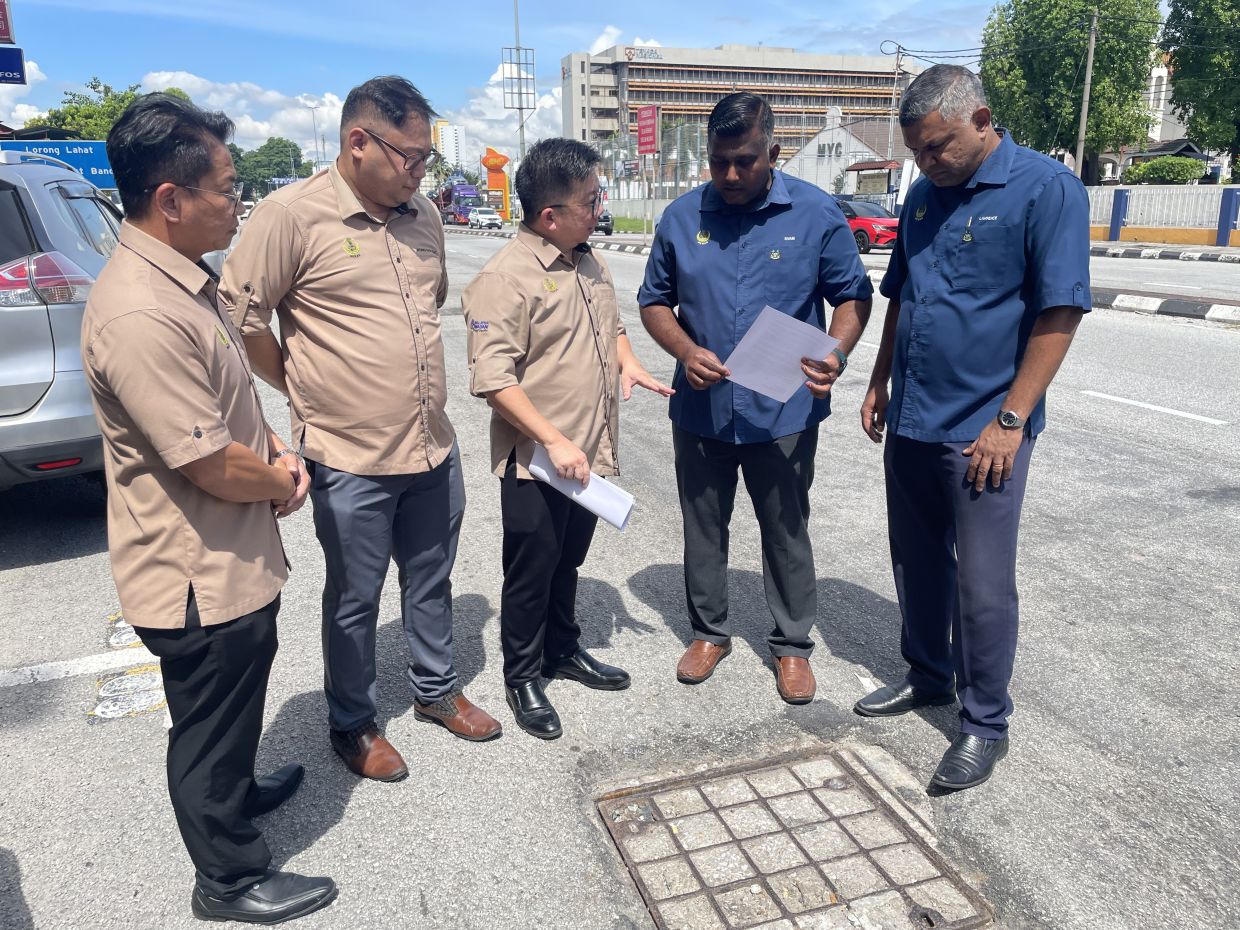
Road conditions along Jalan Lahat in Ipoh are finally set to improve, with a RM2.6 million resurfacing initiative beginning next month. The three-week project will tackle nearly 4 kilometres of one of Perak's most frequently travelled urban corridors, spanning the constituencies of Buntong, Tebing Tinggi and Menglembu. The planned upgrade represents a long-awaited response to mounting complaints from commuters, commercial operators and heavy vehicle users who have endured deteriorating road surfaces and persistent pothole hazards for months.
The funding allocation, drawn through the Malaysian Road Records Information System (Marris), will enable comprehensive restoration work along Jalan Lahat from the Falim traffic lights through to the Jalan Leong Boon Swee junction near Little India. Menglembu assemblyman Chaw Kam Foon emphasised that while Jalan Lahat extends approximately 10 to 11 kilometres across the district, this initial phase focuses on the most critically damaged section. The project will resurface both directions of traffic over roughly 1.9 kilometres each way, addressing the segments where road degradation has become most severe and poses genuine safety risks to vehicles and passengers.
The deterioration of Jalan Lahat has become increasingly difficult to ignore, particularly following public outcry via social media platforms that exposed significant defects in the road surface. A viral video depicting an especially hazardous pothole on the flyover section catalysed immediate repair action and broader scrutiny of the road's overall condition. Chaw revealed that a single month alone saw approximately 20 vehicles sustain tyre punctures after striking potholes along the affected stretch, illustrating the scale and frequency of damage encountered by regular users. Such incidents impose genuine financial burdens on motorists while raising legitimate safety concerns among commuters, particularly those operating commercial vehicles and heavy goods lorries.
Councillor K. Sivam, who has championed this improvement, explained that demands for action have accumulated since 2024, yet formal approval only materialised through sustained advocacy and political pressure. The tender process for contractor selection is currently progressing, positioning works to commence within weeks. Sivam projected completion within approximately three weeks from commencement, conditional on favourable weather conditions and efficient project management. This timeline, if achieved, would deliver tangible relief to Ipoh commuters before the height of the monsoon season potentially causes fresh damage to newly repaired surfaces.
Jalan Lahat's heavy usage patterns have significantly contributed to its accelerated deterioration and the inadequacy of previous interim repairs. The corridor serves multiple critical functions within Ipoh's urban fabric, connecting residential neighbourhoods, educational institutions and commercial establishments while accommodating substantial volumes of heavy vehicles and industrial lorries. These load demands exceed what temporary patching interventions can sustainably withstand, particularly given Malaysia's tropical climate and the frequent heavy rainfall that undermines partially restored sections. Sivam emphasised that previous patching efforts, while temporarily addressing visible defects, proved ineffective under such traffic pressures and climatic stresses, necessitating comprehensive resurfacing rather than continued short-term remedies.
Underground utility infrastructure works have compounded the road's existing problems in ways often overlooked by casual observers. Sivam attributed some of the accelerated damage to past excavation projects for sewerage pipeline installations, where subsequent road restoration work fell short of proper engineering standards. Incomplete or substandard reinstatement following utility works creates structural weaknesses that rapidly propagate into potholes and surface undulations under traffic stress. The planned resurfacing initiative will address these accumulated deficiencies through systematic levelling of utility access points, elimination of road undulations and repainting of lane markings to enhance both safety and functionality.
Future protection of this investment depends significantly on stronger governance of utility company operations. Sivam announced that the Corridor Utiliti Darul Ridzuan (KUDR) will assume monitoring authority over subsequent excavation works, with enforcement powers to ensure compliance with approved reinstatement specifications. Companies that neglect proper road restoration face compounding enforcement actions including financial penalties, vehicle immobilisation orders and mandated repair work undertaken at contractor expense. This supervisory framework, if rigorously applied, should prevent the repetition of poor restoration practices that previously degraded Jalan Lahat's condition.
The Jalan Lahat project holds wider significance for Malaysian urban infrastructure management. Comparable road deterioration patterns afflict numerous secondary and tertiary corridors across Malaysian cities, where heavy usage, inadequate maintenance budgets and poorly coordinated utility works create persistent degradation cycles. The Ipoh initiative demonstrates how sustained community advocacy through social media platforms can accelerate political responsiveness to infrastructure deficiencies. Yet it also highlights systemic weaknesses in preventative maintenance frameworks and utility coordination mechanisms that remain inadequately addressed across many Malaysian municipalities.
For Ipoh residents and regular road users, the July commencement date cannot arrive too soon. The improved road surface will reduce vehicle wear and operating costs while enhancing safety for all users, from private motorists to commercial operators relying on reliable transport corridors for business continuity. Successful completion within the projected timeframe would establish an encouraging precedent for addressing similar road degradation issues elsewhere in Perak and neighbouring states, potentially strengthening political momentum for comparable infrastructure improvements across Malaysia's secondary urban networks.