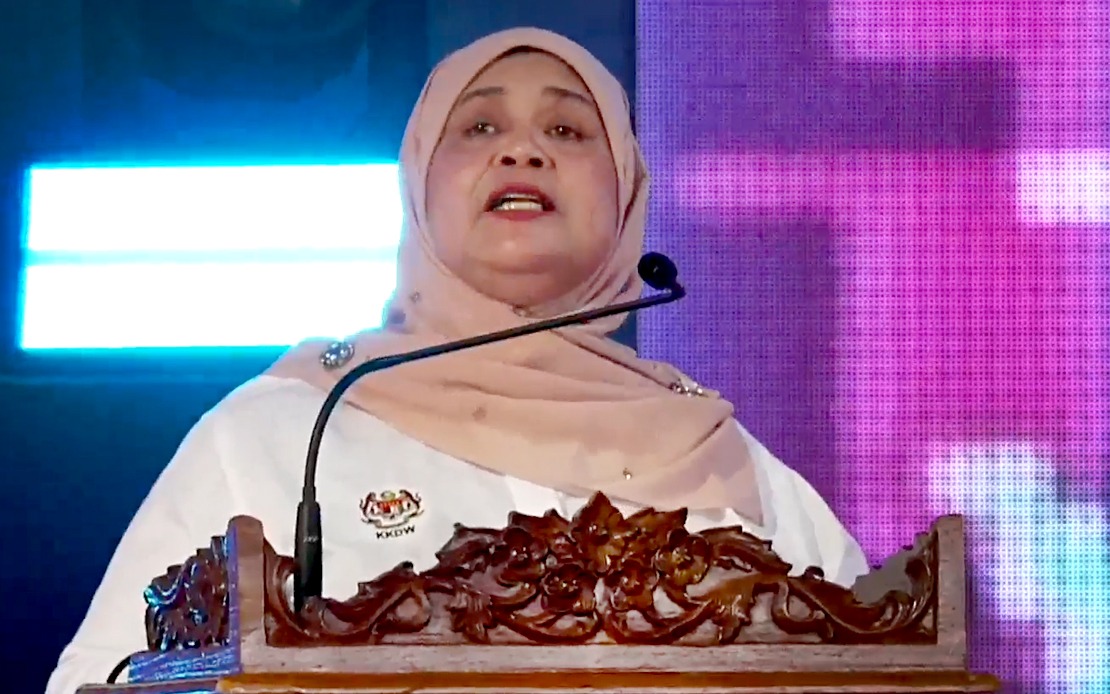
The Sungai Rambai state constituency is receiving more than RM2 million in targeted funding to strengthen its drainage infrastructure and mitigate the persistent flood risks that plague the region. The allocation reflects growing recognition of the area's vulnerability to water-related disasters, particularly during monsoon seasons when heavy rainfall transforms the agricultural landscape into a potential hazard zone. Sungai Rambai state assemblyman Datuk Siti Faizah Abdul Azis announced the investment following the closing ceremony of Festival D'Bendang Melaka 2026, an event officiated by Deputy Rural and Regional Development Minister Datuk Rubiah Wang.
The funding breakdown reveals targeted interventions across multiple drainage zones within the constituency. Among the notable allocations, RM1 million has been earmarked specifically for Parit Keliling in Kampung Semujuk, Seri Mendapat, addressing one of the most flood-prone areas within the state assembly. This strategic distribution of resources reflects a comprehensive approach to flood management rather than a blanket solution, allowing authorities to concentrate efforts where cumulative risk factors are highest and intervention can deliver maximum protective benefit to residents and agricultural livelihoods.
The geographical realities of Sungai Rambai make it particularly susceptible to inundation. As Siti Faizah explained, the constituency functions as a natural water catchment area due to its terrain and soil composition, receiving substantial water inflow from neighbouring Johor during periods of heavy rainfall. The region's capacity to retain moisture, combined with its position in the hydrological network, means that water management becomes not merely a local concern but a cross-state challenge requiring coordinated response mechanisms. This geographic vulnerability has transformed flood preparedness into a permanent fixture of local governance.
The current intervention strategy extends beyond mere reactive repair and maintenance, instead targeting systemic improvements to drainage capacity and flow efficiency. The planned projects encompass upgrading irrigation systems linked to rivers and drains throughout the constituency, work designed to enhance the overall resilience of water management infrastructure. Rather than patching individual problem points, the approach seeks to create an integrated network capable of handling larger volumes and directing water more effectively toward designated outlets, thereby reducing the likelihood of localised inundation.
Existing maintenance protocols underscore the ongoing commitment to drainage management. Within Sungai Rambai, 46 separate drains spanning the entire constituency undergo regular cleaning and maintenance schedules to preserve operational efficiency. This preventive focus, while resource-intensive, acknowledges that many flood incidents result not from structural inadequacy but from blockages, debris accumulation, and reduced flow capacity caused by seasonal neglect. The coordination between the state assemblyman's office and the Department of Irrigation and Drainage ensures that main drain cleaning receives specialised technical attention, a collaboration that distributes responsibility for different segments of the drainage network.
The role of the Department of Irrigation and Drainage proves particularly significant in managing larger water infrastructure. As the national agency responsible for irrigation and drainage matters, DID brings technical expertise and access to resources beyond the local constituency level. Their involvement in maintaining main drains—the arterial channels through which water must flow—ensures that localised efforts to clear secondary drains do not encounter bottlenecks at crucial junction points. This tiered approach to drainage management reflects institutional coordination extending from grassroots maintenance through to state and federal infrastructure oversight.
Regular maintenance and proactive drainage upgrades deliver tangible protective benefits beyond the immediate flood season. By reducing damage exposure and building community preparedness capacity, these investments strengthen economic resilience and reduce disaster recovery costs. Agricultural areas particularly benefit from improved drainage, as waterlogged fields lose productive value and remain unusable until water recedes. Rural communities in Sungai Rambai, where agricultural activity remains economically significant, gain direct benefit from infrastructure that prevents prolonged inundation of farmland and associated crop losses.
The Festival D'Bendang Melaka 2026 provided the platform for announcing this funding commitment, reflecting the government's integration of development announcements with community celebration events. The three-day festival featured a rural entrepreneurs' mini carnival, agency exhibitions, and 50 folk games, creating a festive atmosphere within which serious development messaging could be conveyed to residents. This approach acknowledges that flood-prone agricultural communities respond more positively to announcements embedded within celebrations of rural culture and economic activity than to isolated administrative communications.
The long-term effectiveness of this RM2 million investment depends substantially on sustained follow-through and iterative improvements. Climate change patterns in Southeast Asia suggest that rainfall intensity may increase beyond historical norms, potentially overwhelming even upgraded drainage systems designed according to previous data. Sungai Rambai's designation as a natural catchment area means that future-proofing against floods requires continuous adaptation, periodic reassessment of drainage capacity against emerging climate projections, and potentially further investments as understanding of risk evolves. The current allocation therefore represents not a permanent solution but a significant milestone in an ongoing process of protecting vulnerable communities.

