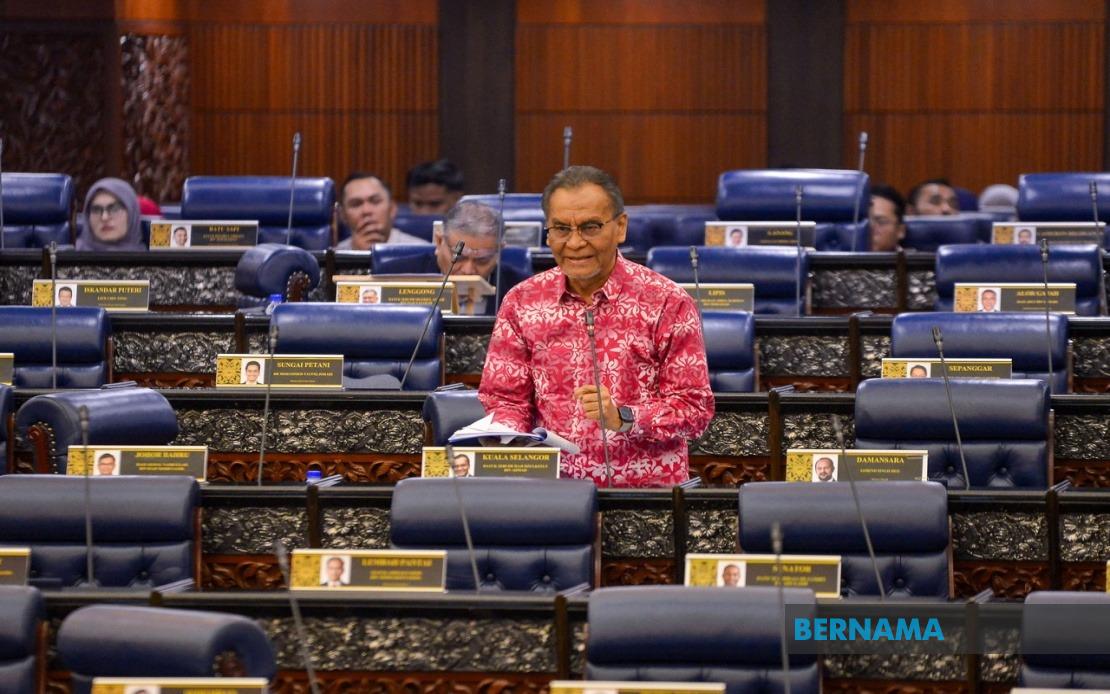
Health Minister Datuk Seri Dr Dzulkefly Ahmad has reassured lawmakers that a RM500 million expenditure restriction placed on the Ministry of Health represents a routine administrative adjustment rather than a substantive cut to healthcare services. The restriction warrant, imposed in early June, amounts to approximately 1.07 per cent of the ministry's total annual allocation of nearly RM46.52 billion and stems from a reallocation of budgeted funds earmarked for positions that remain unfilled across the health system.
During parliamentary question-and-answer proceedings, the minister explained that the adjustment emerged from a careful review of staffing levels approved by the Public Service Department. The MOH has been authorised to fill 18,641 positions this financial year, yet persistent vacancies across the health sector—particularly in specialised and rural-based roles—have left portions of the personnel budget unspent. Rather than allow these allocations to lapse unused, the Finance Ministry and Health Ministry coordinated to redirect the surplus, freeing up RM500 million without compromising service delivery.
The government's framing of this measure as a technical adjustment carries particular weight given sustained public concern about the adequacy of Malaysia's healthcare infrastructure, especially in underserved regions. Parliamentary questions from both government and opposition-aligned members, including Datuk Shahelmey Yahya and Abdul Latiff Abdul Rahman, specifically targeted worries that fiscal tightening might erode service quality at rural hospitals or delay critical health infrastructure projects. Dzulkefly's response emphasised that fundamental operations remain protected, with no reductions affecting staffing allowances, operational expenses, training initiatives, or procurement of medical equipment.
The distinction between total allocation and actual expenditure underscores a chronic challenge in Malaysia's public health system: despite budgetary provision, many positions remain vacant due to recruitment delays, relocation barriers, and shortages of qualified specialists willing to work in remote areas. This structural mismatch between approved headcount and filled roles is not unique to health but reflects broader public service challenges. By formally acknowledging and reallocating unspent funds designated for these vacant positions, the ministry gains flexibility while signalling fiscal responsibility to the Finance Ministry, a dynamic increasingly important under tighter national budgetary conditions.
Malaysian healthcare stakeholders will view this clarification through the lens of recent reform initiatives the ministry has announced. Dzulkefly highlighted that the MOH, working through its Joint Committee on Private Healthcare Costs, is rolling out a new Base Medical and Health Insurance/Takaful scheme—abbreviated as MHIT—beginning this month at selected hospitals. This programme aims to offer more affordable and accessible basic health coverage to consumers struggling with escalating private sector treatment expenses and insurance premiums, a pressure point affecting middle-income Malaysian families increasingly priced out of timely private care.
The introduction of MHIT represents a systematic response to the rising cost of private healthcare, a concern that has gained political salience as out-of-pocket health expenditure grows across income brackets. By piloting the scheme now, with full national rollout scheduled for January 2027, the ministry intends to gather operational data and refine the product before broader implementation. This staggered approach reflects international best practice in health insurance design and allows insurers and providers to calibrate premiums and claims processes in real-world conditions before national deployment.
Parallel to the insurance initiative, the ministry is advancing a Diagnosis Related Groups payment system designed to standardise how hospitals across all sectors—public, private, university, and military—set and charge for procedures. This benchmarking tool aims to create transparency in hospital billing while incentivising efficiency in care delivery, a mechanism already employed across developed health systems. For Malaysian patients navigating fragmented public and private sectors, standardised pricing frameworks can reduce information asymmetries and facilitate informed choice, particularly important given growing medical tourism and cross-border healthcare utilisation by Malaysians seeking treatment in Singapore and Thailand.
The timing of these announcements alongside the budget adjustment suggests a ministry attempting to maintain reform momentum even under fiscal constraint. The RM500 million reallocation, while modest relative to the overall budget, nonetheless requires careful stewardship of remaining resources. By publicly tying the adjustment to structural staffing realities rather than service cuts, Dzulkefly is seeking to preserve confidence in the system's stability during a period of healthcare sector transition and cost pressures.
For Southeast Asian observers, Malaysia's experience managing these healthcare challenges reflects region-wide tensions between fiscal consolidation and rising demand for quality medical services. As ageing populations and chronic disease burdens expand across the region, health ministers face mounting pressure to do more with constrained budgets. Malaysia's approach—combining targeted investment in affordability initiatives like MHIT with payment system reforms and careful budget management—illustrates one country's strategy for navigating these crosscurrents without disrupting fundamental service provision.
The opposition and government backbenchers who raised concerns in parliament appear, at least provisionally, satisfied that critical operations remain protected. However, the broader question of whether Malaysia's health system can sustain quality and access while managing fiscal discipline remains unresolved. Subsequent parliamentary oversight of MHIT implementation and the Diagnosis Related Groups rollout will likely scrutinise whether these initiatives deliver promised affordability and efficiency gains or whether they ultimately shift costs rather than reduce them.

