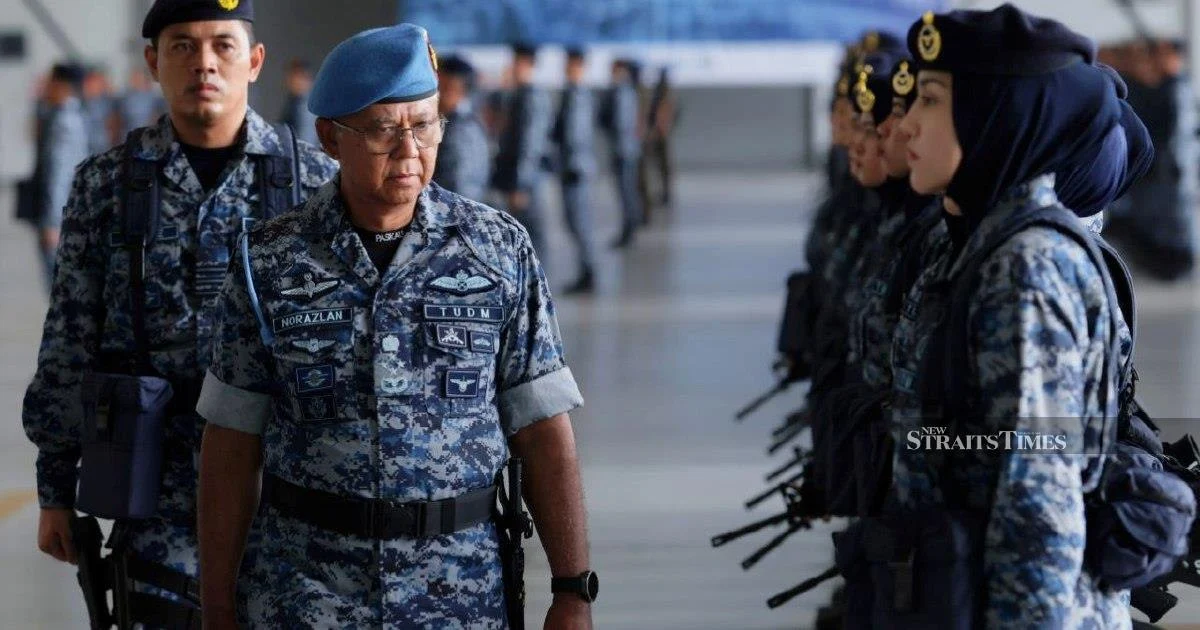
The Royal Malaysian Air Force has announced plans to acquire advanced unmanned aircraft systems and modern patrol aircraft as part of a comprehensive modernization drive aimed at strengthening surveillance capabilities across the nation's airspace. The service will introduce the Anka-S unmanned aircraft system alongside the P-72M maritime patrol aircraft to monitor strategically vital areas and bolster security operations, officials confirmed in Subang.
The decision to invest in these cutting-edge platforms reflects RMAF's recognition that traditional surveillance methods require supplementation with unmanned and long-endurance aircraft to cover the expansive Malaysian airspace effectively. The Anka-S, a Turkish-developed system, represents a significant leap in reconnaissance and monitoring technology, offering extended flight duration and sophisticated sensor packages capable of detecting and tracking multiple targets simultaneously. This acquisition aligns with regional trends among Southeast Asian air forces seeking to modernize their fleets amid growing maritime security challenges and the need for persistent surveillance over vast territories.
Malaysia's geographic position—straddling critical shipping lanes and possessing extensive maritime zones—has long required robust air surveillance infrastructure. The introduction of unmanned systems addresses historical capability gaps that have occasionally constrained RMAF's ability to maintain continuous coverage over disputed waters and territorial boundaries. With the Anka-S, the force gains flexibility in deployment patterns, as unmanned platforms can sustain operations over extended periods without pilot fatigue constraints, enabling round-the-clock monitoring of designated sectors.
The P-72M maritime patrol aircraft complements the unmanned capability by providing crewed reconnaissance assets for complex operational scenarios requiring real-time decision-making and immediate response. This patrol platform enhances the RMAF's capacity to detect and intercept unauthorized maritime activities, including smuggling, piracy, and illegal fishing operations that periodically disrupt regional stability. The pairing of both systems creates layered surveillance architecture—unmanned systems for persistent area coverage and crewed aircraft for responsive, tactical missions.
From a regional security perspective, this modernization initiative sends a clear signal about Malaysia's commitment to securing its airspace independently, reducing reliance on external powers for surveillance intelligence. The move occurs amid broader regional tensions over maritime boundaries and airspace sovereignty, where nations increasingly assert control through visible, credible technical capabilities. Indonesia, the Philippines, and Vietnam have similarly pursued advanced surveillance platforms, creating an implicit arms-upgrade competition across Southeast Asia driven less by aggression than by the necessity of monitoring vast, sparsely populated maritime expanses.
The acquisition also carries implications for Malaysia's defense industrial development strategy. By integrating foreign platforms—the Turkish Anka-S and what appears to be a derivative of advanced patrol aircraft designs—RMAF positions itself within established supply chains and maintenance networks. However, this dependency on external suppliers for critical security assets raises long-term questions about sustainment costs, spare parts availability, and technological sovereignty that Malaysian policymakers must carefully manage.
Operational integration of these systems demands substantial investment beyond procurement costs. RMAF personnel require comprehensive training in unmanned systems operation, data analysis, and maintenance procedures. The air force must also develop protocols for coordinating unmanned and crewed assets, establishing communication networks that enable seamless information sharing between operators and command centers. These infrastructure demands extend timelines for achieving full operational capability, typically spanning several years from initial delivery to mature, combat-ready force posture.
The surveillance enhancement addresses specific vulnerabilities that have periodically challenged RMAF's operational effectiveness. Maritime piracy incidents in the Sulu-Celebes Sea, unauthorized incursions by foreign vessels, and airspace intrusions have historically required rapid response capacity that existing assets occasionally struggled to provide. The Anka-S and P-72M combination significantly expands reaction windows and improves situational awareness, enabling commanders to position assets proactively rather than responding reactively to emerging threats.
From a budgetary perspective, this modernization represents a substantial commitment in an era when Malaysian defense spending faces competing demands across naval, ground, and cyber domains. The government's decision to prioritize airspace security reflects assessments that maritime security challenges and the volume of airspace requiring surveillance justify these expenditures. As regional competition for resources intensifies and security challenges proliferate, this investment demonstrates Malaysia's determination to maintain credible deterrent capabilities and protect national interests in contested domains.
The timeline for operational deployment remains fluid, with full integration likely requiring several years. During this transition period, RMAF must maintain existing surveillance systems while developing expertise and infrastructure for the new platforms. This overlap creates temporary vulnerabilities but remains manageable given the gradual expansion of coverage these platforms will provide. Success ultimately depends on sustained funding, effective personnel management, and political commitment to maintaining operational readiness across extended periods—factors that will test Malaysian institutional capacity as much as technical capabilities.
%22%2F%3E%3C%2Fpattern%3E%3C%2Fdefs%3E%3Crect%20width%3D%22100%25%22%20height%3D%22100%25%22%20fill%3D%22url(%23ph3o9rig)%22%2F%3E%3Crect%20width%3D%22100%25%22%20height%3D%22100%25%22%20fill%3D%22url(%23ph3o9rip)%22%2F%3E%3Ctext%20x%3D%2250%25%22%20y%3D%2250%25%22%20text-anchor%3D%22middle%22%20dominant-baseline%3D%22central%22%20fill%3D%22rgba(255%2C255%2C255%2C0.95)%22%20font-family%3D%22Georgia%2C%20'Times%20New%20Roman'%2C%20serif%22%20font-weight%3D%22700%22%20font-size%3D%22320%22%20letter-spacing%3D%22-0.02em%22%3EPAS%3C%2Ftext%3E%3C%2Fsvg%3E)

%22%2F%3E%3C%2Fpattern%3E%3C%2Fdefs%3E%3Crect%20width%3D%22100%25%22%20height%3D%22100%25%22%20fill%3D%22url(%23ph1nzvog)%22%2F%3E%3Crect%20width%3D%22100%25%22%20height%3D%22100%25%22%20fill%3D%22url(%23ph1nzvop)%22%2F%3E%3Ctext%20x%3D%2250%25%22%20y%3D%2250%25%22%20text-anchor%3D%22middle%22%20dominant-baseline%3D%22central%22%20fill%3D%22rgba(255%2C255%2C255%2C0.95)%22%20font-family%3D%22Georgia%2C%20'Times%20New%20Roman'%2C%20serif%22%20font-weight%3D%22700%22%20font-size%3D%22320%22%20letter-spacing%3D%22-0.02em%22%3EOnn%3C%2Ftext%3E%3C%2Fsvg%3E)