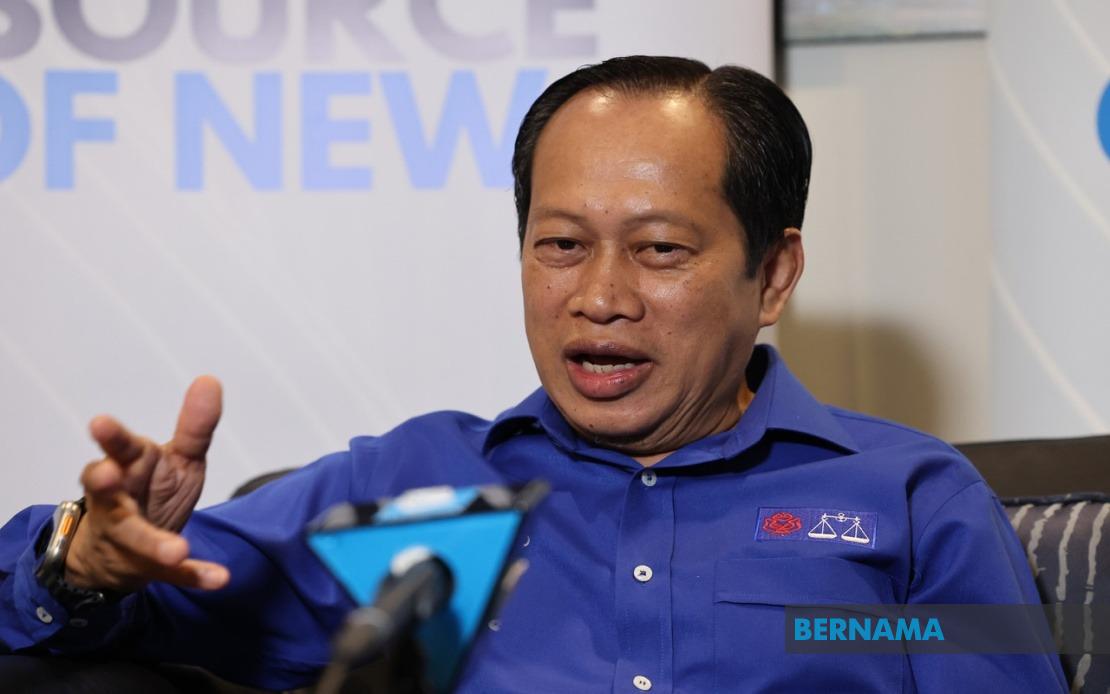
Effective road maintenance across Malaysia hinges on the willingness of multiple parties to work in concert, according to Deputy Works Minister Datuk Seri Dr Ahmad Maslan, who has made addressing deteriorating road conditions a priority for the Public Works Department. Speaking in Johor Bahru on July 2, Ahmad stressed that without coordinated effort involving elected officials at state and federal levels alongside relevant administrative bodies, the pace of repairs will continue to lag behind public expectations and safety requirements.
The minister's remarks come against the backdrop of growing public concern over road conditions in various states, exemplified by recent actions taken by Pakatan Harapan candidate for the Puteri Wangsa state seat, Dr Maszlee Malik. On June 29, Maszlee undertook a personal inspection of Jalan Tebrau, travelling from Kampung Melayu Majidi to Ulu Tiram in a Perodua Myvi after receiving multiple complaints through social media channels regarding pothole-riddled surfaces and chronic traffic congestion affecting commuters and businesses along the corridor.
During his journey, Maszlee documented the poor state of road infrastructure, noting that the vehicle experienced significant jolts traversing several segments due to uneven pavement conditions. His account also highlighted the severe congestion issues that plague the route during peak commuting periods, providing a real-world perspective on how deteriorating infrastructure directly impacts daily life for residents and workers in that area. The former Education Minister's approach of physically experiencing road conditions rather than simply reviewing reports underscores a broader sentiment among Malaysian voters that elected officials should directly witness the challenges facing their constituents.
Ahmad responded to these concerns by asserting that he has personally directed the Public Works Department to prioritise expedited repairs on damaged roads nationwide. He acknowledged that Johor, with its 10 district JKR offices, represents a significant concentration of maintenance responsibility, and he has conducted visits to each office to receive detailed briefings on development priorities and resource allocation. Through these visits, he conveyed clear directives for rapid response whenever roads require intervention, demonstrating an attempt to inject urgency into the typically slow-moving bureaucratic process.
The Deputy Works Minister articulated a framework of shared responsibility whereby state assemblymen, Members of Parliament, and local government agencies must each play defined roles in identifying and remedying road defects. This distribution of oversight theoretically enables faster detection of problems, as elected representatives maintain closer proximity to their constituencies and receive direct feedback from residents. However, the effectiveness of such a system depends entirely on the willingness of these officials to prioritise infrastructure concerns over other political considerations and the capacity of local agencies to execute repairs without excessive delays.
Funding mechanisms for road maintenance involve a structured process that channels allocations for federal roads, highways, and bridges through State Economic Planning Units and state executive councils. According to Ahmad's explanation, this architecture allows applications for repair work to be systematically assessed and ranked according to established criteria before receiving formal approval. While the process is designed to ensure transparency and prevent arbitrary allocation, it also introduces bureaucratic layers that inevitably slow implementation, particularly in urgent cases where rapid intervention could prevent further deterioration and associated safety risks.
The tiered approval system reflects broader governance challenges in Malaysia where multiple jurisdictions and agencies possess overlapping responsibilities for road infrastructure. Federal roads fall under different purview than state roads, while local authorities manage municipal streets, creating fragmented accountability structures. When a major thoroughfare like Jalan Tebrau spans multiple administrative boundaries and funding sources, coordinating repairs requires navigating competing priorities and reconciling different budget cycles, explaining why comprehensive road maintenance initiatives often stall at implementation stages.
Malaysia's road network represents critical economic infrastructure supporting commerce, tourism, and daily economic activity across the country. Deteriorating conditions not only inconvenience individual users but impose collective costs through vehicle damage, fuel inefficiency, accident rates, and lost productivity. For states like Johor with significant industrial activity and cross-border commerce with Singapore, inadequate road maintenance directly undermines competitiveness and investor confidence. The visibility of road deterioration in major corridors like Jalan Tebrau makes it a lightning rod for political criticism, as road conditions serve as tangible indicators of government effectiveness that voters directly experience.
Ahmad's emphasis on stakeholder cooperation reflects acknowledgment that the Public Works Department alone cannot sustain comprehensive road maintenance given Malaysia's extensive network and constrained budgets. Greater involvement from state and local representatives creates additional pressure points for accountability while theoretically leveraging local knowledge about which roads are most critical. However, this approach requires genuine commitment from politicians who sometimes view infrastructure work as less visible than flashy development projects, particularly during campaign periods when resources might be diverted to vote-winning initiatives rather than systematic maintenance.
The road maintenance challenge illuminates broader questions about governance capacity and political will in Malaysia. Technical solutions and structural reorganisation of agencies matter less than ensuring sustained funding streams and insulating maintenance schedules from electoral cycles that prioritise new projects over unglamorous upkeep. Southeast Asia's rapidly developing economies face similar pressures to expand infrastructure while maintaining existing networks, yet consistent maintenance demands institutional discipline that competing political pressures often undermine. Ahmad's call for cooperative effort tacitly acknowledges these underlying tensions while proposing incremental improvements to current arrangements rather than fundamental systemic reform.

