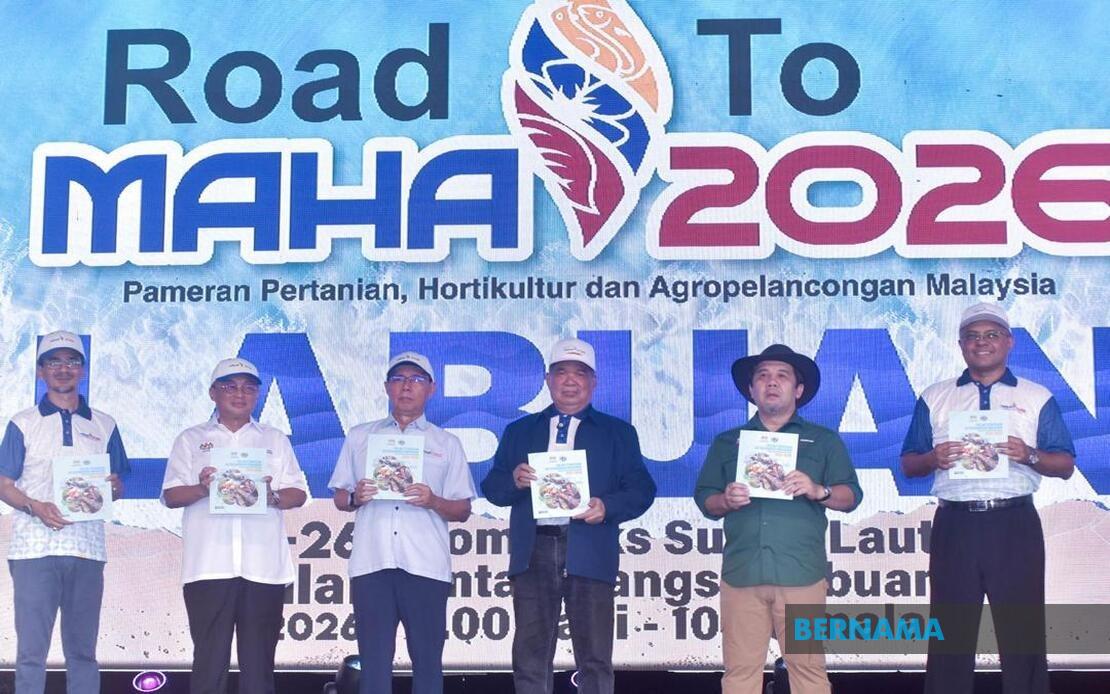
The inaugural Road to MAHA Labuan 2026 has exceeded organisers' expectations in a robust opening, drawing 30,837 visitors over its first two days and generating sales approaching RM800,000. The performance substantially surpassed the initial target of 30,000 visitors, signalling considerable enthusiasm for an event designed to showcase agricultural innovation and food security initiatives in Malaysia's duty-free island. With five days scheduled for the event, the trajectory suggests organisers will comfortably meet their overall sales objective of RM1.6 million, achieving nearly 50 per cent of that target before the halfway mark.
According to the Department of Federal Territories secretariat, the strong response reflects genuine public interest in agriculture, food security and agro-based entrepreneurship. The event, held from July 23 to 26, represents a collaborative effort between the Ministry of Agriculture and Food Security, the Department of Federal Territories, and Labuan Corporation. By positioning this initiative as a precursor to the main MAHA (Malaysia Agriculture, Horticulture and Agrotourism) event, organisers are establishing Labuan as a significant platform for promoting the agricultural sector within Malaysia's broader economic development strategy.
The participation of 184 agro-entrepreneurs underscores the diversity of the agricultural economy across Malaysia. While 117 participants hail from Labuan itself, the remaining exhibitors have travelled from Sabah, Sarawak, Johor and Perak, demonstrating cross-regional engagement with the initiative. This geographic spread reflects how duty-free status and Labuan's strategic position as a Federal Territory have attracted agricultural entrepreneurs seeking to expand market reach and access new customer segments. The range of offerings, encompassing agricultural produce, food items, livestock and agro-based innovations, caters to varied consumer interests and represents the breadth of Malaysia's agribusiness landscape.
Livestock exhibitions have proven particularly popular with visitors, with cattle and goats supplied by Sita Farm generating substantial interest. Such attractions elevate the event beyond a conventional trade fair, transforming it into an experiential platform where consumers can directly engage with agricultural products and understand production methods. This hands-on approach addresses growing consumer demand for transparency regarding food origins and quality assurance, particularly relevant in an era when supply chain accountability influences purchasing decisions.
The economic implications extend far beyond direct sales figures. The Department of Federal Territories has identified a significant multiplier effect, with approximately 20 per cent of spending benefitting accommodation operators, transport providers, food vendors and local supply chain businesses. This distributional impact demonstrates how concentrated events can stimulate broader economic activity, particularly benefiting service sectors dependent on visitor throughput. For Labuan, which operates in a competitive landscape seeking to diversify beyond its traditional financial services centre reputation, agricultural tourism represents a potentially lucrative growth avenue.
The success of Road to MAHA Labuan reflects the Malaysian government's strategic emphasis on food security and agricultural modernisation. With global supply chain uncertainties and regional competition intensifying, domestically strengthening the agricultural sector has become a policy priority. Events of this scale provide platforms for entrepreneurs to access capital, establish networks, and demonstrate innovations to policymakers and investors. The high visitor numbers suggest receptiveness to agricultural products and services, potentially validating further investment in agro-entrepreneurship programs.
For Southeast Asian observers, MAHA Labuan's performance carries relevance beyond Malaysia's borders. The region faces mounting pressure to enhance agricultural productivity and food self-sufficiency amid demographic growth and climate variability. Labuan's success in drawing regional entrepreneurs and visitors demonstrates how strategic positioning and event-based marketing can consolidate competitive advantages in agribusiness. The model may resonate with other regional hubs seeking to develop agricultural sectors whilst diversifying economic bases.
The event's remaining three days hold significance for assessing whether initial momentum sustains or moderates. Consumer spending patterns during opening weekends often reflect heightened novelty interest, whereas subsequent performance indicates deeper market engagement. Organisers will closely monitor whether the approaching weekend, typically when families and casual visitors venture forth, further accelerates sales or whether current trajectories plateau. Such data will inform planning for future iterations and shape government investment decisions regarding agricultural tourism infrastructure.
The strong start also provides valuable positioning for Malaysia's broader agricultural sector on the international stage. As an event explicitly designed as a road to MAHA, MAHA Labuan 2026 functions as a promotional and validation mechanism for regional agricultural excellence. The visitor enthusiasm suggests latent demand for platforms connecting producers with consumers, demand that existing channels may inadequately serve. This recognition potentially unlocks opportunities for government and private sector collaboration in developing additional agricultural events and markets across Malaysia.
Looking forward, the organisational success of Road to MAHA Labuan 2026 establishes precedent for similar initiatives across Malaysia's Federal Territories. Labuan's duty-free status, combined with accessibility via air and sea transport, positions it distinctly for such ventures. The Department of Federal Territories secretariat's emphasis on multiplier effects and economic spillovers indicates that future planning will likely incorporate broader community benefit strategies, ensuring agricultural events generate sustainable livelihoods beyond event periods. This approach aligns with national development priorities emphasising inclusive economic growth and rural prosperity.

