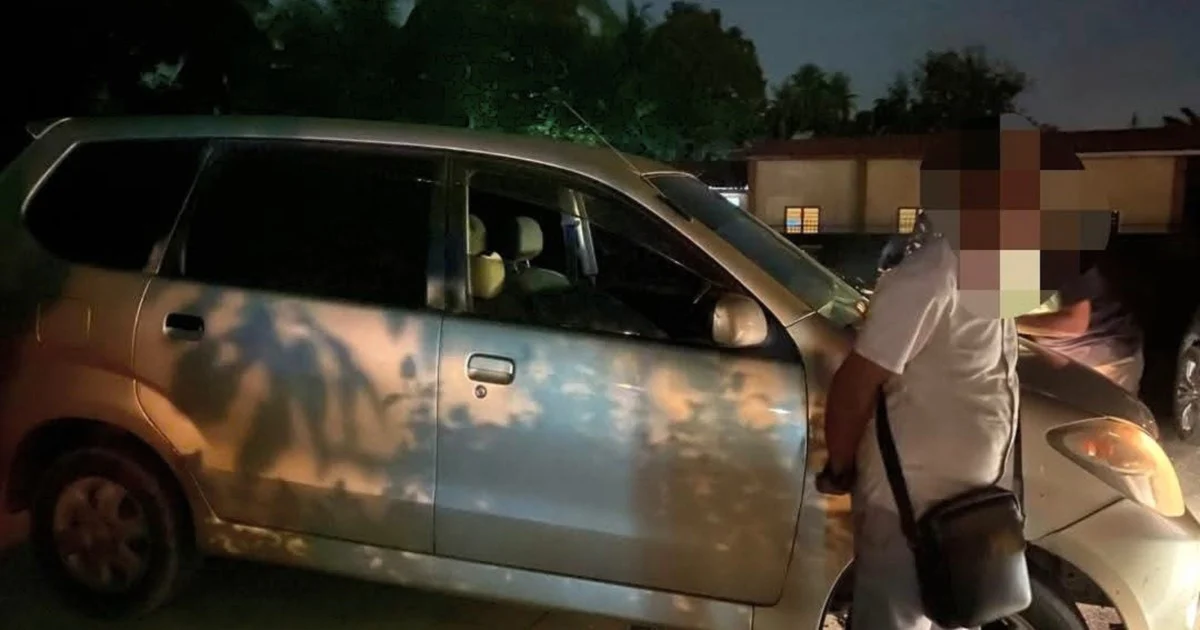
A 32-year-old Rohingya man faces legal consequences following his arrest in Alor Star yesterday evening, after officers from the Kedah Road Transport Department discovered he was driving a multi-purpose vehicle without holding a valid driving licence. The apprehension occurred during a routine enforcement operation aimed at strengthening road safety compliance across the state.
The incident underscores ongoing challenges the state faces in managing unlicensed driving, a persistent traffic violation that continues to concern authorities across Malaysia. Road transport enforcement operations represent a critical component of the authorities' broader strategy to ensure that vehicles are operated only by individuals who have demonstrated the requisite knowledge and skills through formal testing and licensing procedures.
For the Rohingya community in Malaysia, interactions with law enforcement frequently carry additional complexity given their precarious legal status as stateless persons. While many Rohingya have been registered with UNHCR and granted temporary travel documents, navigating Malaysia's vehicular regulations and licensing requirements remains problematic for individuals lacking stable documentation or formal residential recognition. The arrest highlights the intersection of immigration status, administrative capacity, and road safety enforcement in a region hosting one of the world's largest refugee populations.
The Kedah RTD's enforcement operation reflects broader national efforts to combat traffic violations that compromise road safety. Unlicensed driving poses substantial risks not only to the operator but also to fellow road users, as individuals without formal licensing have not undergone standardized safety training or vehicle control assessments. Each year, Malaysian traffic authorities record thousands of violations related to driving without proper credentials, with enforcement operations continuing throughout the year across urban and suburban areas.
The apprehension raises questions about accessibility to driving licences for vulnerable populations in Malaysia. While the regulatory framework maintains legitimate public safety objectives, barriers to formal licensing—including documentation requirements, language proficiency in Bahasa Malaysia, and the costs associated with obtaining permits—may inadvertently push some individuals toward operating vehicles informally. These structural challenges become particularly acute for refugee communities whose administrative status remains contested and whose access to official government services remains restricted.
For enforcement authorities, the operation demonstrates the ongoing need for compliance monitoring on roads throughout Kedah. The state's RTD continues implementing targeted campaigns to identify and apprehend drivers operating without proper credentials, recognizing that consistent enforcement strengthens deterrence against this category of violation. Multi-purpose vehicles, which are commonly used for both personal and commercial transport purposes, represent a significant portion of the vehicles monitored during such operations.
The case also reflects Malaysia's broader approach to managing mixed migration populations while maintaining domestic legal and regulatory frameworks. Unlike registered citizens or documented foreign nationals, refugees and stateless persons operate within constraints that complicate their ability to comply fully with standard administrative requirements. This tension between humanitarian obligations and regulatory enforcement remains unresolved in many jurisdictions grappling with large refugee populations.
Moving forward, the incident may prompt discussions among policymakers regarding how enforcement mechanisms can be applied equitably while recognizing the unique circumstances confronting refugee communities. Some jurisdictions have implemented modified licensing pathways for vulnerable populations, though Malaysia has not systematically pursued such alternatives. The Road Transport Department's focus on enforcement compliance will likely persist, as public safety considerations remain paramount in transportation regulatory policy.
The arrested individual now faces the judicial process through Malaysia's established traffic court system. Penalties for driving without a valid licence in Malaysia typically involve fines ranging substantially and potentially vehicle detention, with severity depending on whether the offence constitutes a first violation or a repeat occurrence. The outcome of this case will be determined through formal legal proceedings, with the individual afforded appropriate due process regardless of immigration status.

