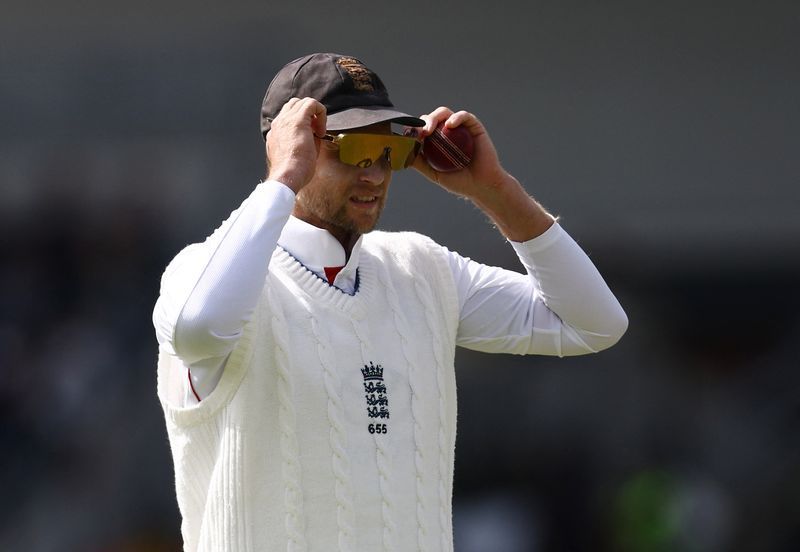
England cricket captain Joe Root has vented his frustration over another high-profile off-field incident, describing himself as "hacked off" and deeply disappointed following the emergence of videos showing fast bowler Brydon Carse in police custody at a nightclub. The 31-year-old seamer has been removed from the squad for the second test match against Pakistan beginning Thursday at Lord's, with the England Cricket Board taking swift disciplinary action in response to the social media footage depicting the cricketer in handcuffs being questioned by officers.
The Carse incident represents the latest in a troubling sequence of nightclub-related controversies involving England internationals, a pattern that has sparked serious questions about the team's off-field culture and conduct. Harry Brook, Ben Duckett, former captain Ben Stokes, and Gus Atkinson have all featured in similar incidents in recent times, creating a narrative of repeated poor judgment that extends far beyond isolated lapses in behaviour. For a national team seeking to rebuild its reputation and image, these successive breaches have become increasingly difficult to explain away or dismiss as unfortunate coincidences.
Root's candid remarks to reporters on Tuesday revealed the depth of his exasperation with the recurring pattern. Rather than focusing solely on the immediate Carse situation, the captain emphasised that the real problem lies not in any single incident but in what he characterised as a systematic failure to learn from previous mistakes. His frustration speaks to a broader concern within the England setup: that despite warnings and consequences, players continue to make questionable decisions that damage team morale and public perception. The captain's language—describing the behaviour as "stupid mistakes"—underscores how preventable these incidents appear to be from management's perspective.
The reputational damage extends beyond the cricket field itself. Root acknowledged that these off-field transgressions are actively detracting from England's on-field achievements, creating an unwanted distraction from legitimate sporting accomplishments. The team had just secured a dominant victory in the first test against Pakistan, winning by an innings and 103 runs, yet that positive momentum is now overshadowed by disciplinary concerns and questions about player conduct. In a sport where the conduct of international representatives carries significant cultural weight, particularly in Asian markets and among traditional cricket-following nations, such incidents risk undermining the team's standing and sponsors' confidence.
Root, who resumed the England captaincy following Ben Stokes's retirement from international cricket, has made clear that the squad has held serious internal discussions about standards and expectations. The captain stressed that players understand precisely what representing England demands of them, both on and off the field. Yet the gap between stated understanding and actual behaviour appears to remain troublingly wide. These conversations, while necessary, raise uncomfortable questions about whether exhortation alone can reshape a culture that seems to have developed problematic patterns. The captain's acknowledgment that building a stronger culture "is not going to happen overnight" suggests management recognises the scope of the challenge ahead.
Carse himself, though arrested briefly following the incident, was subsequently de-arrested and has not been charged with any offense. However, the independent Cricket Regulator will conduct a formal investigation into whether his conduct breached the ECB's code of conduct, meaning the cricketer faces a separate disciplinary process that could carry significant consequences. Root indicated he had spoken personally with Carse and found him genuinely remorseful about the incident. The captain's intervention suggests an attempt to separate the individual from the systemic problem, acknowledging that while Carse must answer for his specific actions, the broader challenge facing England cricket involves changing behavioural patterns across the entire squad.
Sonny Baker has been named as Carse's replacement for the Lord's test, providing an opportunity for the seamer to prove his value despite the recent controversy. The selection decision reflects the ECB's balancing act between maintaining disciplinary standards and avoiding overreaction that might damage squad morale or long-term player development. England faces a critical period as they continue their test series against Pakistan, with the second match at Lord's followed by a third fixture in Birmingham. The team's ability to deliver strong performances while simultaneously addressing off-field concerns will be closely monitored by commentators, administrators, and the cricket-following public across South Asia and the wider Commonwealth.
For Malaysian and Southeast Asian cricket enthusiasts, these developments carry particular relevance given the region's growing engagement with test cricket and the importance of international team conduct in maintaining sport's integrity. The reputation of international sporting bodies depends significantly on consistent enforcement of behavioural standards and demonstrable commitment to cultural reform. England's handling of this situation, whether through swift action or sustainable systemic change, will set precedents for how other cricketing nations address similar challenges. The question now is whether Root's evident frustration will translate into meaningful behavioural transformation or whether the cycle of incident, apology, and renewed expectation will continue to repeat itself.

