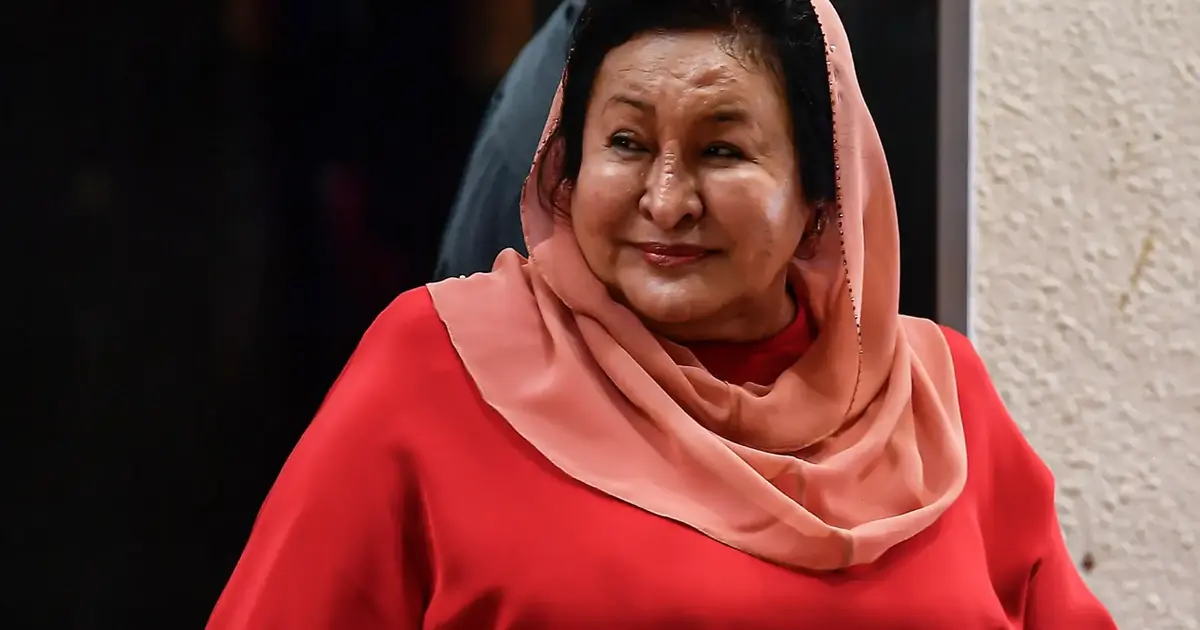
Rosmah Mansor, the former spouse of Malaysian Prime Minister Najib Razak, is mounting a fresh legal challenge to her corruption conviction by seeking to adduce additional evidence in her appeal against graft charges linked to a controversial solar hybrid project. At the heart of her legal strategy lies an allegation that a crucial prosecution witness was subjected to improper pressure during her trial, potentially compromising the integrity of the testimony upon which her conviction partly rested.
The witness in question, Rayyan Radzwill Abdullah, was instrumental in the prosecution's case against Rosmah during the original trial proceedings. Rosmah's legal team contends that Abdullah's evidence—which allegedly implicated her in the solar hybrid project scheme—was not freely given but rather extracted under coercive circumstances. This assertion, if substantiated, could form grounds for a successful appeal by challenging the reliability and admissibility of a key component of the prosecution's narrative.
The solar hybrid project case represents one of several major corruption investigations emerging from the 1Malaysia Development Berhad (1MDB) scandal that has haunted Malaysian politics since its unravelling in 2015. The project, which promised renewable energy solutions, became entangled in allegations of financial impropriety and abuse of power. Rosmah's involvement in decisions surrounding the project has been a focal point for anti-corruption authorities seeking to establish accountability among high-ranking officials and their associates who allegedly benefited from dubious government contracts.
The appeal mechanism represents a critical juncture in Rosmah's legal journey. Malaysian courts have long grappled with questions regarding witness credibility, especially when allegations of coercion surface after trial concluding. The introduction of fresh evidence at the appellate stage requires demonstrating both that the evidence could not reasonably have been discovered earlier and that it carries genuine probative value capable of influencing the verdict.
Rosmah's legal strategy underscores the contentious nature of witness testimony in high-profile corruption cases, where financial stakes and political implications can create complex dynamics between investigating agencies and those providing evidence. The allegation of pressure against Rayyan Radzwill Abdullah raises broader questions about investigative methodology and whether witnesses in such proceedings feel adequately protected and genuinely voluntary in their participation.
For Malaysian readers, this appeal carries significance beyond the individual case. The robustness of the appeals process in corruption matters affects public confidence in the judiciary's capacity to deliver justice while protecting against wrongful convictions based on tainted evidence. The court's treatment of Rosmah's claims will signal how seriously appellate judges weigh allegations of witness intimidation or coercion, particularly when such allegations emerge following conviction.
The solar hybrid project case sits within a broader ecosystem of post-1MDB investigations that have touched numerous individuals across government, corporate, and financial sectors. Other officials and businesspeople have faced similar allegations, creating a complex landscape of overlapping prosecutions and appeals. How courts handle evidentiary challenges in one case often influences approaches in others, making the precedential value of Rosmah's appeal potentially far-reaching.
From a Southeast Asian perspective, Malaysia's handling of high-profile corruption appeals reflects the region's evolving commitment to accountability and the rule of law. Countries across ASEAN have been under international scrutiny regarding anti-corruption efforts, with observers noting that legal processes following the conviction stage often determine whether accountability measures retain credibility or become subject to criticism as politically motivated or procedurally flawed.
The timing of Rosmah's appeal effort also matters contextually. Several years have elapsed since the original trial, during which political landscapes have shifted, investigative agencies have reorganised, and public attention has been diverted to other pressing governance issues. This passage of time can complicate the discovery and presentation of fresh evidence while potentially complicating the verification of claims about witness pressure occurring years earlier.
Central to the legal proceedings is whether appellate courts will accept that witness coercion allegedly occurred and, if so, whether the tainted testimony was so integral to the conviction that its removal would necessitate acquittal. These determinations require judges to carefully evaluate both the substance of accusations regarding Rayyan Radzwill Abdullah's treatment and the degree to which his evidence underpinned the overall guilty verdict.
Rosmah's pursuit of this appeal reflects the prolonged nature of high-profile corruption prosecutions in Malaysia, where cases traverse courts over extended periods with multiple opportunities for legal challenges and procedural refinements. The outcome will likely influence future appeals in similar circumstances and contribute to jurisprudential understanding of how Malaysian courts balance finality of convictions against justice requirements when allegations of procedural irregularity surface.
Ultimately, the court's determination regarding whether to accept the fresh evidence and its assessment of witness pressure allegations will constitute a pivotal moment in this enduring case, with implications extending across Malaysia's corruption accountability framework and regional perceptions of judicial independence and prosecutorial conduct.

