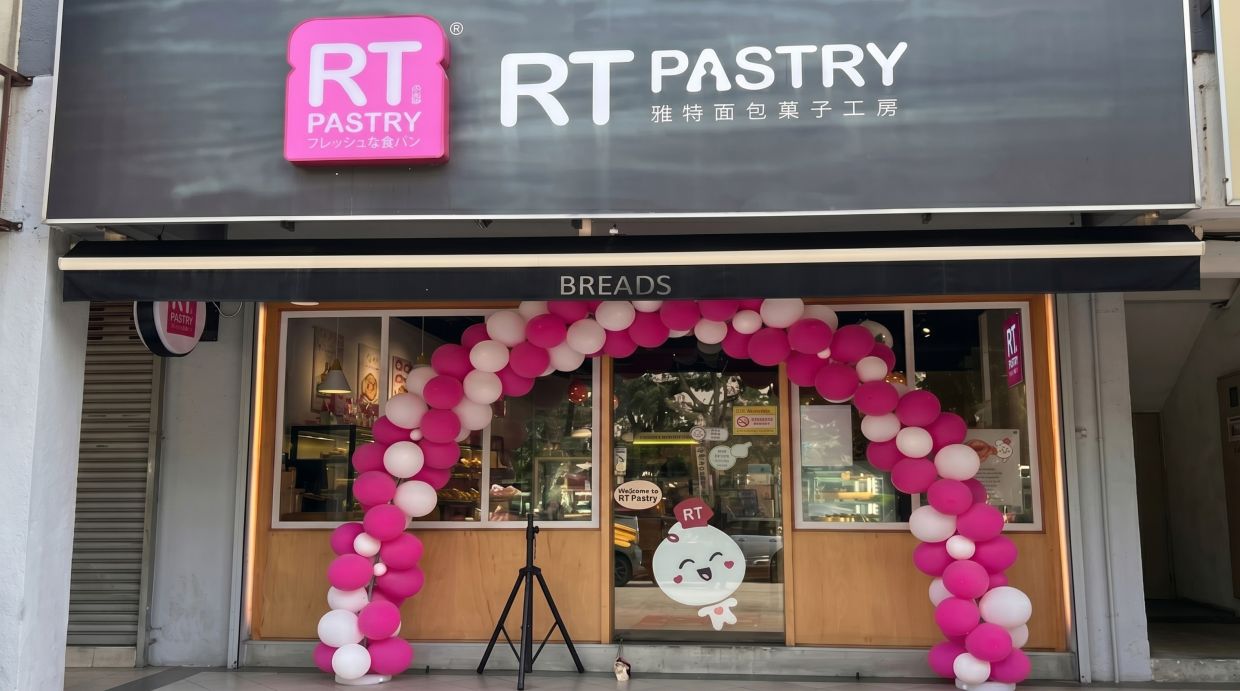
RT Pastry Holdings Bhd has secured halal certification from Malaysia's Department of Islamic Development (JAKIM) for its central manufacturing plant in Taman Bukit Serdang, Seri Kembangan, marking a significant milestone in the bakery producer's credentials within the nation's growing halal-certified food sector. The certification, formally issued on July 1 and effective until June 30, 2028, encompasses the company's comprehensive portfolio of baked goods, spanning cakes, Swiss rolls, pastries, cookies, desserts and various other bakery items manufactured at the facility known as Plant 1.
The approval follows a rigorous assessment process conducted under Malaysia's established halal framework, the Malaysian Halal Standard MS1500:2019. This regulatory standard sets comprehensive requirements governing the entire production lifecycle, from raw material sourcing and manufacturing processes through to product handling and facility hygiene protocols, all designed to ensure strict compliance with Islamic dietary principles. The certification's seven-year validity period reflects JAKIM's confidence in RT Pastry's sustained adherence to these exacting standards across both facility management and operational procedures.
The Seri Kembangan achievement completes a staggered certification strategy for the company's major production infrastructure. RT Pastry's second manufacturing location, Plant 2 situated in Glelmarie, had previously obtained its own JAKIM halal certification in 2023, meaning the bakery group now operates two fully certified production hubs. This dual-facility certification structure positions RT Pastry advantageously within Malaysia's competitive halal bakery market, where consumers increasingly prioritize independently verified halal status as a marker of both religious compliance and manufacturing integrity.
For Malaysian consumers and the broader regional market, halal certification carries significance extending beyond religious observance. The designation functions as a seal of quality assurance and manufacturing transparency, particularly relevant given Malaysia's position as a major halal food producer and exporter throughout Southeast Asia and beyond. RT Pastry's expanded certified capacity supports the company's ability to service both domestic demand and export opportunities in markets where halal status represents a critical purchasing criterion.
The company's executive leadership framed the certification through a lens of corporate values rather than mere compliance obligation. Group chief executive officer and executive director Lu Chun-Neng emphasized that halal certification reflects deeper organizational commitments to quality standards, operational integrity and consumer trust. This positioning acknowledges a contemporary market reality: Malaysian consumers increasingly view halal certification not as a minimum baseline requirement but as evidence of a company's investment in rigorous quality management systems and ethical sourcing practices.
RT Pastry's strategic focus on halal credentials aligns with broader trends in Malaysia's food manufacturing sector. Multinational and local producers alike recognize that halal certification serves as both a compliance necessity for the domestic market and a competitive advantage in export markets across the Muslim-majority regions of Asia, the Middle East and Africa. The seven-year certification window provides RT Pastry with extended market certainty and reduces administrative burden associated with frequent recertification cycles, allowing the company to concentrate resources on production expansion and product innovation.
The Seri Kembangan facility's certification carries particular significance given its designation as the company's central manufacturing hub. As a principal production site, Plant 1's accreditation ensures that RT Pastry's most substantial product volumes operate under verified halal compliance, maximizing the commercial impact of the certification across the company's customer relationships and market reach. This centralization of certified production capacity streamlines supply chain management and simplifies quality assurance protocols for both domestic and international distribution channels.
Looking forward, RT Pastry has signaled intentions to expand its product range while maintaining established quality benchmarks across manufacturing operations. The dual-facility certification structure provides operational flexibility to scale production in response to market demand without compromising halal compliance across the portfolio. This capacity for growth carries significance for Malaysian consumers seeking domestically-produced, independently-certified bakery products, particularly as the company potentially introduces new product categories or distribution channels.
The certification announcement also reflects Malaysia's maturation as a halal industry leader and the sophistication of JAKIM's regulatory processes. The fact that an established bakery manufacturer required a seven-year process to achieve full plant certification for its primary facility illustrates the rigorous standards applied within Malaysia's halal framework. This quality-focused regulatory approach has contributed to Malaysia's international reputation as a credible source of genuinely halal-compliant food products, supporting both consumer confidence domestically and market access internationally.

