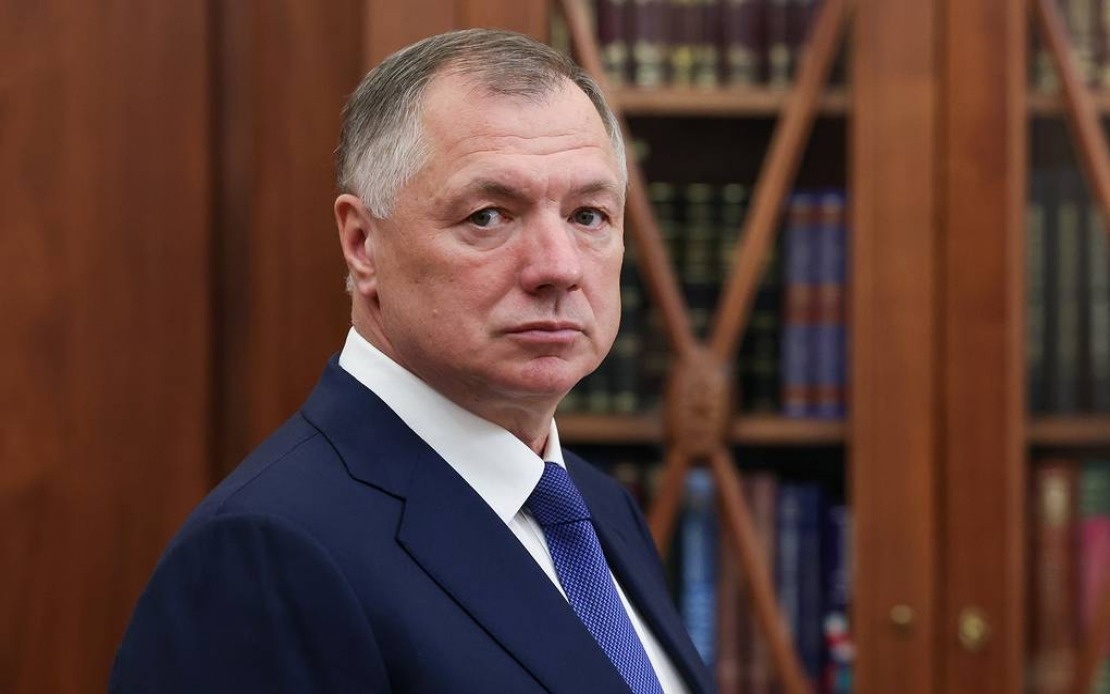
Russia is pursuing an ambitious infrastructure strategy that would fundamentally reshape regional trade patterns by constructing a railway connection to the Indian Ocean, according to Russian Deputy Prime Minister Marat Khusnullin. Speaking in an interview, Khusnullin outlined Moscow's concerns over existing maritime chokepoints and presented land-based alternatives as a geopolitical necessity for reducing Russian economic exposure to volatile international waters.
The proposed route would traverse Central Asia, potentially passing through Turkmenistan, Iran, Afghanistan, and Pakistan before reaching Indian ports. This ambitious project reflects Moscow's calculations about long-term supply chain resilience, particularly as traditional maritime corridors face mounting pressures from regional conflicts and international tensions. For Southeast Asian nations dependent on stable global trade flows, such infrastructure developments in neighbouring regions carry significant implications for future logistics networks and trading relationships.
Khusnullin identified the Bosphorus and the Strait of Hormuz as critical vulnerabilities in Russia's current trading architecture. The Strait of Hormuz alone handles roughly one-quarter of global oil commerce and approximately one-fifth of international liquefied natural gas shipments, making it one of the world's most strategically vital waterways. Any disruption to these channels carries cascading consequences throughout Asia-Pacific supply chains, a reality that underscores why Russia views land-based alternatives as strategically prudent.
The timing of Khusnullin's statement reflects genuine anxiety about Middle Eastern stability. Recent tensions between the United States and Iran have elevated risks significantly, with Iranian authorities threatening to restrict passage through the Strait of Hormuz for vessels connected to America, Israel, and allied nations. These declarations, combined with retaliatory military operations announced by the Islamic Revolutionary Guard Corps targeting American and Israeli installations across the Gulf region, have created genuine uncertainty about maritime commerce continuity.
Russia's interest in alternative trade corridors extends beyond immediate geopolitical concerns. The country maintains substantial economic interests in Indian markets and seeks diversified pathways to reach them. A railway linking Russian territory through Central Asia would provide Moscow with greater autonomy over its commercial relationships with South Asia, reducing dependence on routes that pass through potentially hostile or unstable regions. This approach aligns with broader Russian strategy to strengthen ties with non-Western markets.
For regional observers, the proposed railway represents significant economic opportunities alongside geopolitical realignment. Central Asian nations including Turkmenistan, Afghanistan, and Pakistan would benefit from transit revenues and enhanced connectivity. However, the project faces substantial challenges, particularly regarding stability in Afghanistan and political tensions between some participating nations. The proposed route would require unprecedented cooperation among countries with complicated bilateral relationships.
Khusnullin also addressed Russia's domestic construction capabilities and financing requirements. He indicated that the construction sector currently has capacity to absorb one trillion rubles annually in additional investment. If the government committed substantial funds over a five-year period, he argued, the industry could expand further and undertake even larger infrastructure projects. This suggests Moscow views major transport infrastructure as essential to long-term economic strategy and is willing to mobilize significant resources accordingly.
The railway initiative reflects broader patterns of de-globalisation following Western sanctions imposed on Russia. Unable to participate normally in Western-dominated trade networks, Moscow has increasingly emphasised partnerships with Asian nations and infrastructure that bypasses traditional Western-controlled chokepoints. Such projects represent Russia's attempt to construct alternative economic ecosystems that reduce vulnerability to international pressure.
Malaysian policymakers should note the strategic implications of emerging transport corridors in Central and South Asia. As regional powers pursue alternative trade routes, Malaysia's position as a hub for global commerce could face both opportunities and challenges. New overland routes might reduce some dependency on Southeast Asian chokepoints like the Strait of Malacca, though they could also redirect some traffic away from existing regional maritime networks.
The proposed railway would take decades to complete and faces formidable obstacles beyond financing. Political instability, competing national interests, and security concerns in transit countries all present serious implementation challenges. Whether Russia can assemble sufficient cooperation among participating nations remains uncertain, particularly given current geopolitical tensions and historical disputes in Central Asia.
Nevertheless, Khusnullin's statements reveal how major powers increasingly view regional infrastructure through security lenses. When traditional maritime routes face disruption risks, land-based alternatives become strategically valuable despite higher construction costs. This competition for alternative corridors will likely shape trade patterns and geopolitical alignments across Asia for decades ahead.
For Southeast Asia specifically, these developments underscore the region's continuing centrality to global commerce while hinting at emerging alternatives. Nations like Malaysia must remain attentive to how great powers repositioning themselves could affect transit revenues and regional economic relationships. The race to secure reliable trade routes remains a fundamental driver of international relations in the twenty-first century.

