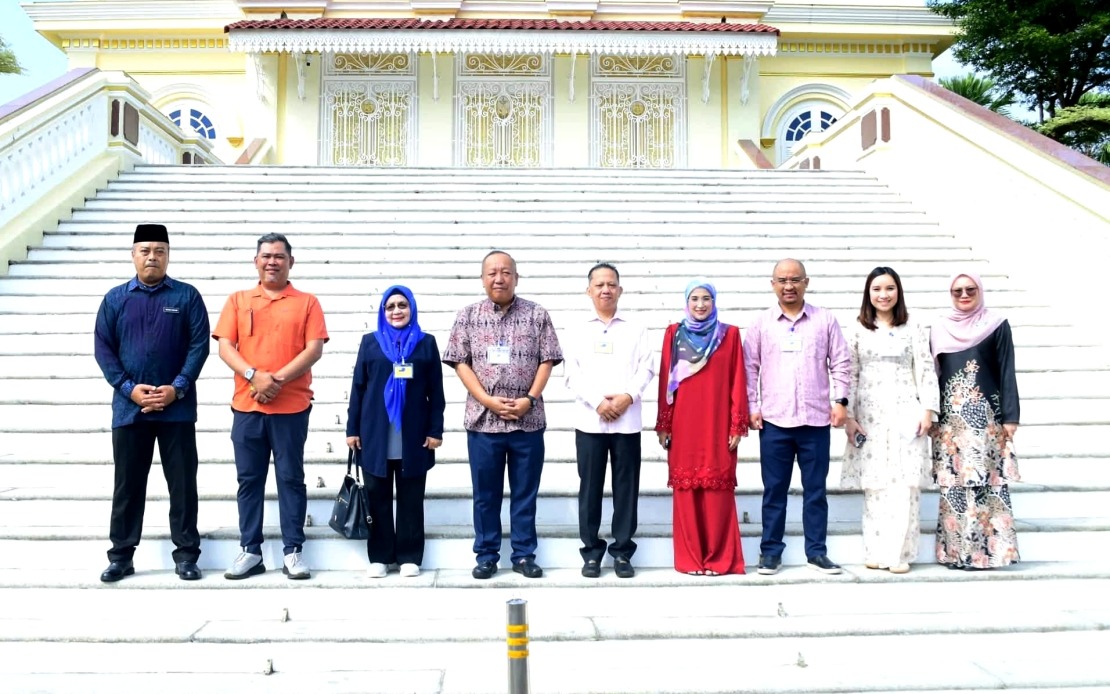
Malaysian states are increasingly recognising the value of collaborative tourism strategies, with Sabah and Johor now moving to formalise a closer partnership aimed at elevating the country's standing as a premier travel destination. The initiative, driven by Sabah's Ministry of Tourism, Culture and Environment (KePKAS), represents a shift toward inter-state cooperation that transcends provincial boundaries and positions both regions as complementary attractions within Malaysia's broader tourism ecosystem.
Datuk Jafry Ariffin, Sabah's Minister of Tourism, Culture and Environment, articulated the strategic vision during recent discussions between delegations from both states. The partnership extends beyond conventional promotional efforts, instead framing itself as a comprehensive alliance designed to elevate Malaysia's international competitiveness in the global tourism marketplace. By pooling resources and expertise, the two states aim to construct a cohesive narrative around Malaysian tourism that appeals to both regional and international visitors.
The timing of this cooperation proves particularly significant given Sabah's designation of 2027 as Visit Sabah Year—a major initiative requiring sustained promotional momentum and innovative positioning strategies. Rather than pursuing promotional campaigns in isolation, the state recognises that cross-state partnerships can amplify reach and credibility. Johor, as one of Malaysia's most established tourism destinations with sophisticated heritage management infrastructure, offers valuable institutional knowledge that can inform Sabah's broader tourism development strategy.
A critical dimension of the partnership centres on cross-promotion mechanisms and collaborative product development. Both states recognise opportunities to craft integrated tourism packages that showcase Malaysia's diversity to international audiences. Rather than competing for the same visitor demographics, the cooperation enables complementary positioning—Sabah's natural attractions and biodiversity can be paired with Johor's heritage assets and established tourism infrastructure to create differentiated travel experiences that retain visitors within Malaysia for extended periods.
The recent courtesy visit by Sabah's delegation to Tourism Johor included detailed discussions on destination marketing methodologies and promotional frameworks. These conversations generated practical insights into how both states might coordinate messaging across digital platforms, travel trade channels, and international markets. The operational focus on concrete marketing strategies distinguishes this partnership from ceremonial agreements, instead emphasising measurable outcomes and shared performance metrics.
Significantly, the partnership encompasses knowledge transfer in heritage conservation and museum management. Sabah's delegation toured Muzium Diraja Abu Bakar at Istana Besar Johor to examine how institutional best practices in heritage preservation can be adapted for Sabah's own cultural institutions. This dimension recognises that cultural tourism represents an increasingly important economic pillar, particularly as international visitors seek authentic encounters with local heritage and historical narratives.
The emphasis on cultural and heritage tourism reflects broader global travel trends, where experiences centred on authentic cultural engagement command premium pricing and generate sustained visitor interest. By strengthening museum management practices and heritage conservation protocols, Sabah positions its cultural assets as world-class attractions capable of competing with international heritage destinations. This strategic investment in cultural infrastructure supports longer-term visitor retention and positioning within the luxury tourism segment.
For Malaysia more broadly, this interstate cooperation demonstrates emerging recognition that tourism development functions most effectively through coordinated rather than fragmented approaches. As Southeast Asian nations intensify competitive positioning in global tourism markets, Malaysian states that work collaboratively present stronger collective messaging and more compelling integrated experiences to international tour operators and visitors. The partnership signals mature understanding that tourism growth benefits all participating stakeholders.
The initiative also carries implications for domestic tourism patterns. By developing targeted promotional strategies and new product offerings, both states can stimulate inter-state travel among Malaysian visitors. Enhanced connectivity through coordinated promotions encourages holiday-makers to visit multiple destinations within a single trip, increasing overall spending within the Malaysian tourism economy. This particularly benefits smaller tourism enterprises in both states that might lack individual marketing resources.
Moreover, the cooperation framework establishes mechanisms for ongoing dialogue on emerging tourism trends and visitor preferences. Regular communication between KePKAS and Tourism Johor enables rapid response to market opportunities and the ability to adapt offerings based on shared market intelligence. This adaptive capacity proves crucial in tourism sectors characterised by shifting consumer preferences and volatile international travel patterns.
The partnership's success will ultimately depend on translating statements of cooperation into tangible collaborative outcomes. Concrete metrics—including visitor arrival numbers, average visitor spend, length of stay, and repeat visitation rates—will determine whether the strategic alliance delivers economic benefits commensurate with investment. Both states appear committed to establishing transparent accountability mechanisms that track progress against agreed objectives.
Looking ahead toward Visit Sabah Year 2027, this partnership provides essential infrastructure and momentum for the state's major promotional initiative. By leveraging Johor's established tourism networks, heritage expertise, and marketing capabilities, Sabah can accelerate preparation timelines and amplify campaign reach. The collaboration transforms Visit Sabah 2027 from a single-state initiative into a broader Malaysian tourism statement, potentially attracting international attention and visitor volumes that a solo state campaign might not achieve.

