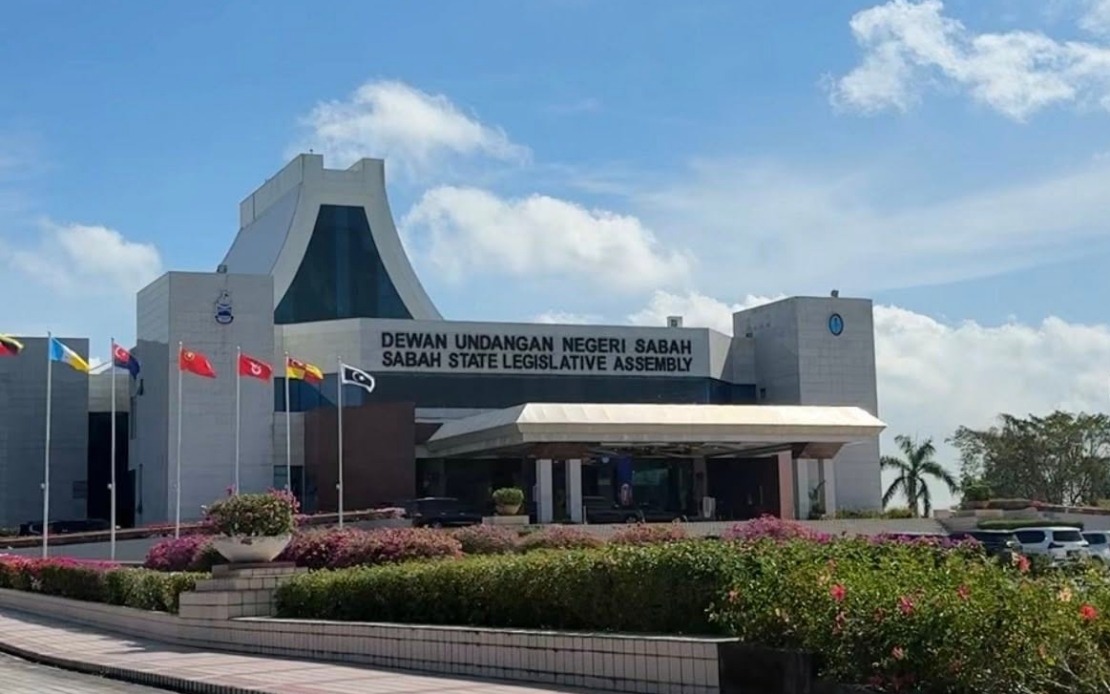
The Sabah State Legislative Assembly has successfully passed a RM1.61 billion Supplementary Supply Bill for 2026 following comprehensive debate among 42 assemblymen in Kota Kinabalu on July 21. Deputy Chief Minister II and State Finance Minister Datuk Seri Masidi Manjun, who tabled the measure a day earlier, saw the proposal gain approval through a majority voice vote conducted by Sabah State Legislative Assembly Deputy Speaker Datuk Al Hambra Tun Juhar.
The supplementary allocation represents a significant injection of additional funding into Sabah's fiscal framework, structured across six distinct expenditure categories designed to address various government priorities throughout the financial year. This multi-pronged approach reflects the state administration's strategy to balance immediate operational needs with longer-term developmental goals while maintaining essential statutory obligations.
The largest component of the supplementary bill channels RM856 million towards statutory fund contributions, underscoring the state's commitment to meeting mandatory financial obligations and maintaining confidence in government institutions and programmes. This substantial allocation ensures that Sabah can honour commitments to pension schemes, social security contributions, and other legally mandated payments without disrupting service delivery.
Operating expenditure receives RM278 million from the supplementary appropriation, providing the state government with additional resources to maintain day-to-day administrative functions and keep essential services operational throughout the year. This funding stream is critical for sustaining government offices, utilities, and routine operational costs that directly affect service quality for citizens across the state.
Development expenditure has been allocated RM210 million, a substantial commitment to infrastructure projects and capital works that enhance economic capacity and improve living standards across Sabah. These investments typically focus on transportation networks, water supply systems, healthcare facilities, and educational infrastructure—sectors that generate longer-term economic benefits and address infrastructure gaps in both urban and rural areas.
Administrative expenditure accounts for RM162 million of the supplementary budget, funding the personnel and support systems necessary for government agencies to function effectively. This allocation covers salaries, training, equipment, and administrative overhead that enable the civil service to deliver policies and programmes efficiently to the public.
State grants totalling RM93 million provide flexible funding to support local authorities, statutory bodies, and various state-sponsored initiatives that require financial assistance beyond their regular allocations. These grants often support community development programmes, local infrastructure projects, and social services delivered through partner organisations and local government entities.
Special allocations worth RM13 million address specific, urgent needs or one-off expenditure items that emerge during the financial year and require dedicated funding outside regular budget categories. These allocations provide fiscal flexibility to respond to unforeseen circumstances or strategic priorities identified after the main budget was finalised.
The passage of the supplementary supply bill reflects the normal budgetary process in Malaysian state legislatures, where additional funding needs are addressed through supplementary appropriations when circumstances warrant. For Sabah, a large and geographically diverse state with significant infrastructure requirements and expanding population demands, such supplementary budgets have become routine features of fiscal management.
The debate involving 42 assemblymen indicates substantial legislative engagement with the budget proposals, suggesting the opposition and government members scrutinised the allocations and potentially raised concerns or questions about spending priorities. This parliamentary scrutiny represents an important accountability mechanism ensuring that public funds are deployed transparently and in accordance with stated policy objectives.
The assembly's next sitting is scheduled to resume on July 22, allowing legislators to continue addressing other legislative business and state matters. The supplementary budget now moves into implementation phase, with various government departments and agencies preparing to utilise the additional funds according to their assigned allocations and established procurement and disbursement procedures.
For Malaysian observers and regional stakeholders, Sabah's supplementary budget provides insights into the state's fiscal priorities and economic conditions. The emphasis on statutory contributions and development expenditure suggests the state is balancing its immediate financial obligations while investing in long-term capacity building, a critical consideration for Sabah's economic competitiveness within Malaysia and Southeast Asia.

