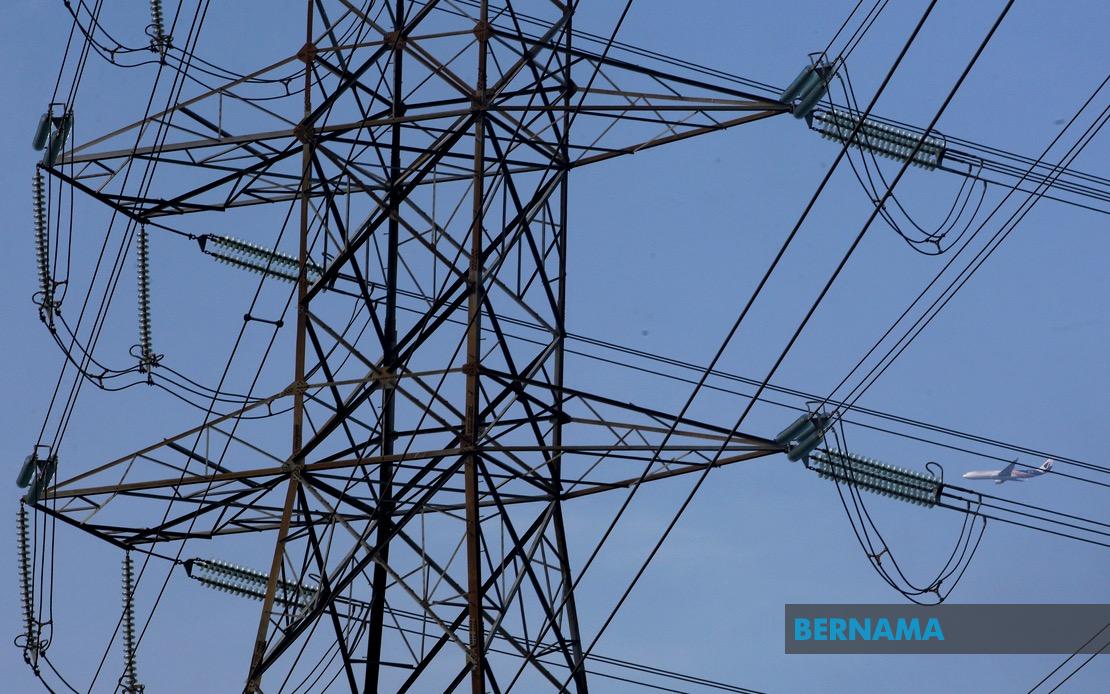
Sabah Electricity has initiated scheduled power rationing across multiple areas of the state to manage a significant shortfall in generation capacity stemming from gas supply disruptions affecting several of its power generation facilities. The utility provider made the announcement on June 29, citing the need for urgent load management measures to preserve the stability of the Sabah Grid System and prevent cascading blackouts that could affect a much wider consumer base across the state.
The reduction in available generation capacity has materially weakened the reserve margin of the grid system, the operational buffer that allows utilities to absorb sudden spikes in demand or equipment failures without resorting to emergency shutdowns. When this margin contracts significantly, power authorities face a critical choice between implementing controlled, scheduled outages in designated areas or risking unplanned, widespread blackouts that could cause far greater disruption to essential services, businesses, and households. Sabah Electricity's decision to implement temporary rationing represents the more measured approach, though it acknowledges the underlying severity of the supply constraint.
The root cause of the disruption traces directly to gas supply failures affecting multiple power plants within Sabah's generation portfolio. Given that natural gas typically fuels a substantial portion of Malaysia's electricity infrastructure, any interruption to gas pipelines or supply arrangements creates immediate cascading effects throughout the grid. The company's statement indicates that addressing these gas supply issues constitutes the primary path toward restoring normal operations, though the timeline for full resolution remains unspecified.
Sabah Electricity has emphasized that the rationing measures are explicitly temporary in nature and will be progressively lifted as generation capacity recovers to sustainable levels and grid stability indicators improve. The utility is simultaneously engaging with relevant stakeholders, including gas suppliers and other industry partners, to expedite the restoration of disrupted supply chains. Parallel to these efforts, grid operators are optimizing how power is distributed and managed across the network to reduce consumer impact where possible, though rationing schedules appear unavoidable under current circumstances.
The timing of this disruption carries particular significance for Sabah's commercial and industrial sectors, which depend on reliable electricity supply for manufacturing, processing, and service operations. Manufacturing facilities operating on tight production schedules may face inventory and delivery complications, while hospitals, water treatment facilities, and other critical infrastructure must implement backup power protocols. The impact extends beyond economic concerns to touch essential services that citizens depend upon daily.
Communication strategy appears crucial in the utility's approach to managing public response. Sabah Electricity has designated its official Careline Facebook page as the sole authoritative source for updated information about affected areas and rationing schedules, recognizing that misinformation and rumor during infrastructure crises can amplify public concern and prompt unnecessary panic. The company has specifically cautioned consumers against relying on unverified reports circulating through social media or informal channels. This guidance reflects lessons learned from previous utility crises across Southeast Asia, where social media amplification of unconfirmed information has sometimes worsened public reaction.
Consumers and businesses requiring clarification about their specific areas and rationing schedules have been directed to contact the utility's customer service line at 15444, establishing a direct channel for individual inquiries beyond the general announcements. This dual-channel approach—broad updates through social media combined with personalized customer support—represents contemporary utility communications practice, though its effectiveness ultimately depends on adequate staffing and rapid response times during high-demand periods.
The utility's formal apology and acknowledgment of consumer inconvenience, while standard in such announcements, underscores the recognition that rationing measures, regardless of their necessity, impose real costs on customers and the broader economy. Electricity underpins virtually every aspect of modern life in Sabah, from commercial refrigeration and air conditioning to communications infrastructure and water supply systems. Even temporary disruptions create measurable disruption to routines and productivity.
From a broader infrastructure perspective, this incident highlights the vulnerability of Sabah's power generation system to supply chain interruptions in its fuel sources. Diversification of generation sources—including renewable energy, alternative fuels, or interconnections with peninsular Malaysia's grid—could provide greater resilience against localized disruptions. However, such infrastructure investments require substantial capital and take years to implement, leaving the state dependent in the near term on swift resolution of the immediate gas supply crisis.
The resolution timeline will largely determine whether this incident remains a brief, contained disruption or evolves into a more protracted challenge requiring extended rationing periods. Stakeholders including state government authorities, industry representatives, and citizen groups will closely monitor both the utility's progress in restoring generation capacity and the comprehensiveness of information provided to affected communities. For Malaysian businesses and households in Sabah, the coming weeks will reveal whether this represents a manageable, temporary adjustment or signals deeper structural vulnerabilities in the state's electricity infrastructure.

