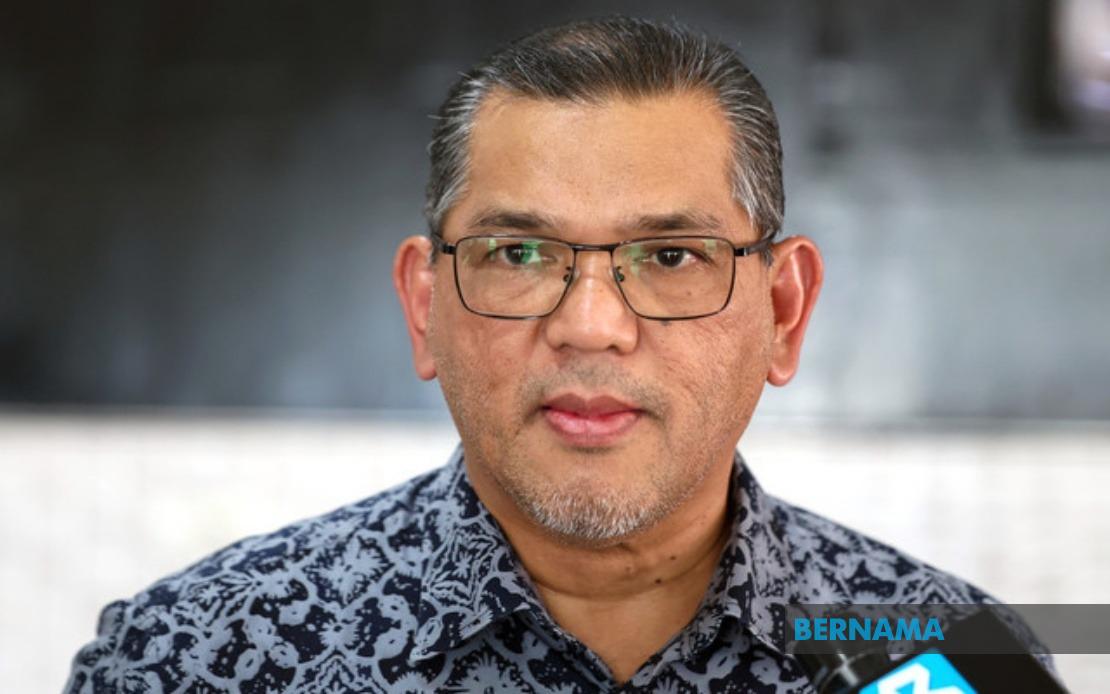
The Sabah Youth Entrepreneur Scheme (SYABAS) has emerged as a substantial vehicle for youth economic empowerment in East Malaysia, channelling RM21 million into the hands of nearly 7,000 aspiring business owners since its inception two years ago. During a legislative assembly session in Kota Kinabalu, Datuk Nizam Abu Bakar Titingan, the state minister overseeing youth, sports and the creative economy portfolio, disclosed that this initiative represents one of the state government's most significant commitments to activating young entrepreneurship across Sabah's diverse regions.
The geographical spread of SYABAS recipients reveals the programme's reach beyond urban centres. In the Nabawan state constituency alone, 64 young entrepreneurs have benefited from the scheme, indicating deliberate efforts to extend economic opportunities into smaller administrative divisions. This decentralisation is particularly significant for Malaysia's broader developmental agenda, as rural and semi-urban areas often lag in access to capital and business support—challenges that SYABAS appears designed to address.
Beyond raw funding allocation, the scheme distinguishes itself through structured post-disbursement support mechanisms. Recipients gain access to ongoing coaching, regular monitoring visits and capacity-building programmes intended to strengthen business fundamentals and sustainability. This scaffolding approach recognises that capital alone rarely determines entrepreneurial success; young business owners frequently require guidance in financial management, operational scaling and market navigation. By bundling funding with mentorship infrastructure, SYABAS adopts best practices evident in more established youth enterprise programmes across the Southeast Asian region.
The diversity of business sectors represented among recipients underscores the scheme's flexibility and responsiveness to varied entrepreneurial interests. Hydroponic vegetable farming, artisanal bakery operations specialising in traditional breads and contemporary pastries, and cosmetics formulation and retail all feature among documented success stories. This sectoral heterogeneity prevents the scheme from becoming overly concentrated in any single industry, potentially insulating the overall portfolio against sector-specific downturns while cultivating resilience through diversification.
Several recipients have already achieved commercial scale that extends beyond domestic markets. The statement that some young entrepreneurs have generated income in the millions, with products reaching international buyers, suggests the scheme has successfully incubated businesses capable of capturing export opportunities. For Malaysia's regional positioning, this development is noteworthy: youth-led enterprises with international market access contribute to the nation's export competitiveness and demonstrate that developmental support can produce tangible external economic benefits.
The ministry's strategic approach encompasses partnership architecture extending beyond direct funding. Collaborations with government agencies, training institutions and private-sector actors broaden the ecosystem in which SYABAS recipients operate. Targeted sectoral partnerships spanning tourism, agriculture, manufacturing, construction, logistics, aquaculture, fisheries, digital commerce and creative industries create multiple pathways for young entrepreneurs to access training, find employment if their own ventures falter, or identify supply-chain integration opportunities. This networked approach converts what might otherwise be isolated pockets of entrepreneurial activity into interconnected value chains.
Complementing SYABAS, the state government is simultaneously positioning Sabah as an emerging tourism destination through the Visit Sabah Year 2027 campaign. Assistant Minister Dr Andi Md Shamsureezal Mohd Sainal emphasised that this initiative transcends simple visitor-number maximisation; instead, it aims to construct inclusive economic growth wherein tourism benefits permeate multiple layers of the economy. This framing reflects evolving thinking about tourism development in Malaysia, moving beyond extraction-oriented models toward value-chain participation by local micro and small enterprises.
The tourism campaign's structural emphasis on accommodation, transport, food and beverage, handicrafts and community-based tourism products creates natural intersection points with SYABAS recipients. Young entrepreneurs in food production, craft-making and service provision can position themselves as suppliers or direct service providers within the tourism economy. This alignment suggests deliberate policy coordination between youth entrepreneurship and tourism development portfolios—a positive signal for integrated economic planning at the state level.
The four pillars anchoring Visit Sabah Year 2027—culture, adventure, nature and sustainability—reflect global tourism trends favouring experiential, environmentally conscious and culturally immersive travel. Sabah's natural endowments position it well for adventure and nature tourism, while cultural authenticity offers differentiation from competitors. For young entrepreneurs, these thematic priorities signal which business concepts are likely to receive promotional support and market preference during the campaign period. Bakeries offering indigenous ingredients, hospitality services emphasising local culture, or nature-guide operations would naturally align with campaign positioning.
The engagement sessions ongoing with tourism industry stakeholders indicate the state government recognises that campaign success hinges on buy-in and operational readiness from practitioners. Small and medium enterprises, in particular, require targeted support—promotional assistance, market access expansion and incentive structures—to translate theoretical tourism demand into actual revenue. The stated commitment to stepping up these measures for SMEs acknowledges that grassroots business operators often lack independent marketing capacity and distribution networks that larger corporations take for granted.
For Malaysian policymakers observing these developments from other states, Sabah's dual emphasis on youth entrepreneurship funding and tourism sector development offers a potential model. The integration between these policy streams, if executed effectively, could create multiplicative effects: tourism campaigns driving demand for local goods and services, which in turn activates young entrepreneurs positioned to supply those goods and services. This creates employment stability that exceeds what either initiative would generate independently.
The timeline for releasing the full Visit Sabah Year 2027 campaign schedule before year-end suggests operational momentum and administrative readiness. For entrepreneurs and tourism operators, this clarity on campaign timing allows for planning and investment decisions. The three-year runway from now through 2027 provides reasonable lead time for business development, though it equally raises expectations that the government will maintain consistent policy support and promotional investment during the interim period.
Looking forward, the genuine test of both SYABAS and the tourism campaign lies in sustainability metrics beyond headline figures. What percentage of SYABAS recipients remain in operation five years post-funding? How many achieve the income levels evidenced by initial cohort leaders? Does tourism promotion genuinely translate to measurable income increases for participating SMEs, or does benefit concentrate among established operators? Sabah's government has constructed promising frameworks; demonstrating their effectiveness through medium-term outcomes will determine whether these initiatives merit replication across other Malaysian states seeking to activate youth entrepreneurship and inclusive economic growth.

