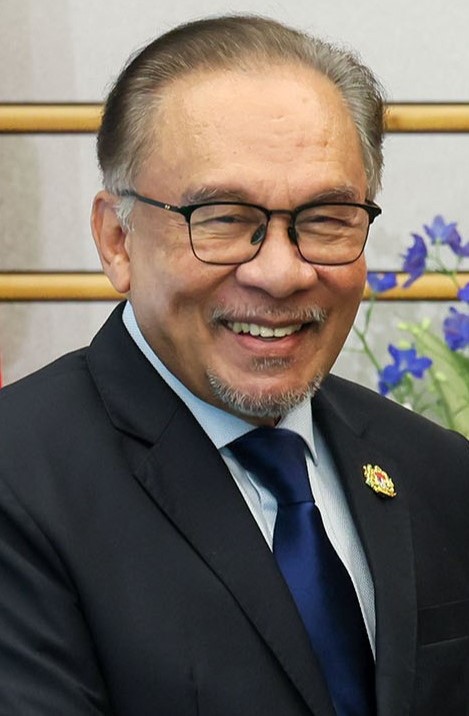
Former Johor menteri besar Datuk Dr Sahruddin Jamal has declared his intention to contest the Bukit Kepong state constituency in the forthcoming 16th Johor state election scheduled for July 11, marking his continued political presence in the southern state after previously holding the top executive position.
The decision to seek another term in the Johor state assembly reflects Sahruddin's commitment to maintaining his political foothold in Bukit Kepong, a seat he has held previously. His confirmation of candidacy sets the stage for what is expected to be a keenly contested state election, with established figures from both the ruling coalition and opposition parties preparing their campaigns across various constituencies in Johor.
Sahruddin's tenure as menteri besar represents a significant chapter in Johor's recent political history. Having served in the state's highest executive office, he brings considerable experience and an established political machinery to his constituency-level contest. His decision to defend the seat rather than step away from electoral politics underscores the competitive nature of state-level politics in Malaysia, where experienced politicians often maintain active roles even after holding higher offices.
The Bukit Kepong constituency is among numerous seats that will determine the composition of the next Johor state government following the July 11 polling day. As a former menteri besar defending his seat, Sahruddin's campaign will likely attract significant media attention and serve as a focal point for understanding broader political dynamics in Johor. The contest in Bukit Kepong will therefore offer insights into voter sentiment and the relative fortunes of different political blocs contesting in the state.
Johor has historically been a crucial state in Malaysian politics, often serving as a barometer for national political trends. The 16th state election represents an important occasion for political renewal and consolidation of power within the state. With former top officials like Sahruddin actively participating, the election promises to be closely watched by political analysts and observers seeking to understand shifting alliances and voter priorities across the region.
The confirmation of Sahruddin's candidacy also suggests that his political party remains confident in his ability to retain the Bukit Kepong seat against expected challenges. In Malaysian state elections, incumbent candidates, particularly those with previous executive experience, often enjoy certain advantages in terms of name recognition and established networks within their constituencies. However, these advantages must be leveraged effectively during campaign periods to translate into electoral victories.
For Malaysian voters in Johor and observers across Southeast Asia interested in regional political developments, the participation of experienced statesmen like Sahruddin underscores how state elections serve as crucial testing grounds for political viability and coalition stability. The July 11 election will see various established politicians competing across different constituencies, with individual contests like that in Bukit Kepong contributing to the overall political landscape.
The election campaign period leading up to July 11 will provide Sahruddin with the opportunity to articulate his vision for Bukit Kepong's development and address constituent concerns. As a former menteri besar, his campaign messaging will likely emphasise his track record in state administration and his continued commitment to serving the constituency. Such narratives are typically central to incumbent-oriented campaigns in Malaysian elections.
Beyond the individual contest in Bukit Kepong, Sahruddin's participation in the 16th Johor state election reflects broader patterns in Malaysian political competition, where experience and established credentials remain significant factors in electoral calculations. The election will test whether voters value continuity and proven administrative experience or prefer to embrace alternative political options and new faces in their state leadership.