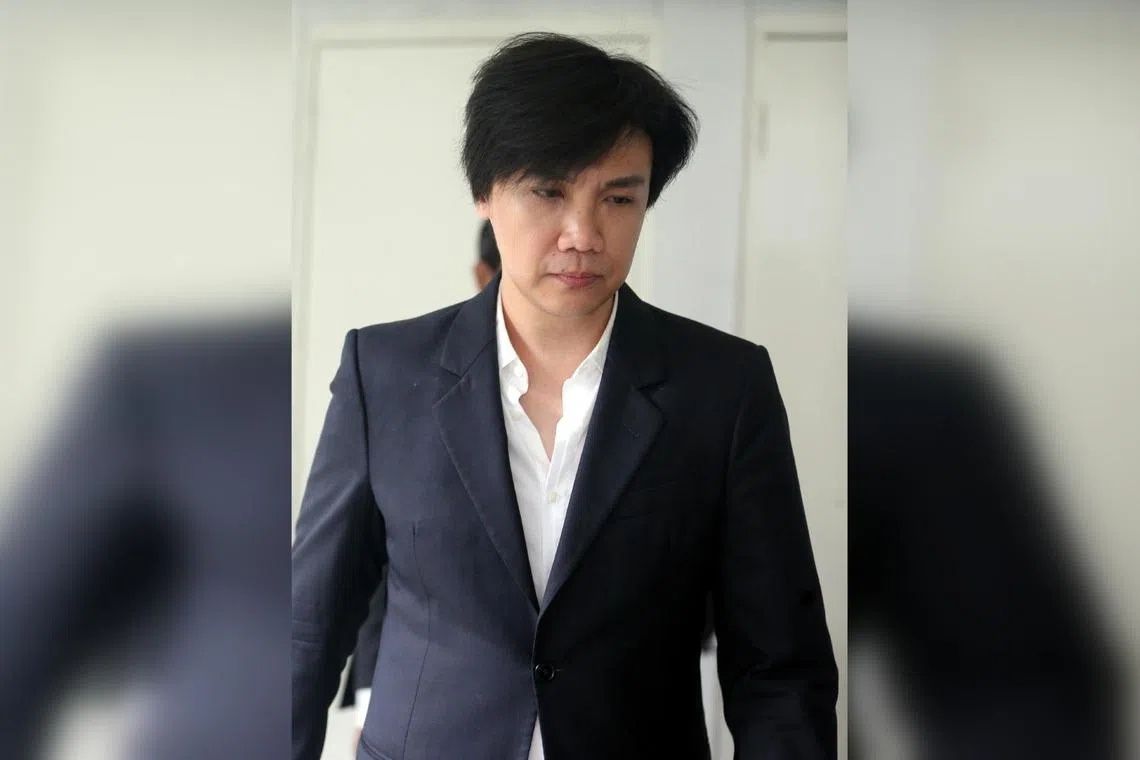
Samuel Seow, the prominent founder of Singapore's Beam Artistes talent management and entertainment consultancy, died on July 25 at the age of 53. According to statements from family associates, the Singaporean entrepreneur passed away peacefully in his sleep, with medical authorities confirming that a heart attack was the cause of death. His family is currently attending to arrangements in Johor Bahru, Malaysia, underscoring the regional connectivity that characterises Singapore's business and personal networks.
Beam Artistes, which Seow established in 2010, became a significant player in Singapore's entertainment industry as a comprehensive talent management, branding, and event consultancy. The agency distinguished itself through organising and managing male pageantry competitions including Mr World Singapore, Mister International, and Manhunt Singapore. At its peak, the company represented approximately twenty artistes across various entertainment sectors, amongst them notable personalities such as Ase Wang, Shane Pow, Jaymee Ong, and Paul Foster. The organisation had been preparing for Masters of the World 2026, a major competition initially scheduled for September, representing the agency's continued ambitions within the pageantry circuit.
Before establishing Beam Artistes, Seow built a distinguished career as an entertainment lawyer, representing high-profile local celebrities and navigating the complex legal landscape of Singapore's entertainment sector. His legal clientele included respected figures such as singer Tanya Chua and actress Michelle Saram, establishing him as a trusted advisor within the creative industries. His transition from legal practice to entertainment management reflected a broader strategic positioning as both a legal expert and a hands-on industry operator, a combination that appeared to strengthen Beam Artistes' market position during its early expansion.
However, Seow's professional trajectory experienced a significant reversal that would fundamentally alter his public standing and career prospects. In May 2022, he was disbarred from legal practice following a disciplinary tribunal proceeding initiated in 2019. The disciplinary action addressed eight separate instances of professional misconduct involving three women employees at his office during March and April 2018. The cases were particularly sensitive as one of the affected individuals was his own niece, also employed as a lawyer at his firm. This family dimension added complexity to an already grave professional breach.
The consequences extended beyond disbarment. In October 2022, Seow received a custodial sentence of four weeks' imprisonment and was fined $1,500 following conviction for assaulting his niece and using criminal force against another female employee. These criminal convictions represented a stark departure from his previous public profile as a respected industry professional and represented serious misconduct within the workplace environment. The prosecutions underscored Singapore's commitment to maintaining professional standards and protecting vulnerable employees, particularly within hierarchical business structures where power imbalances existed.
The misconduct allegations and subsequent legal proceedings reflected broader concerns about workplace conduct and power dynamics within Singapore's professional sectors. The involvement of family members in the employment relationship—particularly a niece working as a lawyer under her uncle's management—raised questions about governance structures and potential conflicts of interest in family-operated businesses. The tribunal's findings and subsequent criminal conviction indicated that familial relationships did not shield the conduct from judicial scrutiny, affirming principles of accountability regardless of personal connections.
Despite these serious lapses in professional judgment, Seow's death prompted reflections on his broader contributions and personal relationships. Filmmaker Kelvin Sng, whose directorial credits include The Fortune Handbook (2017) and King Of Hawkers (2024), paid public tribute to Seow on July 26 after learning of the death. Sng, himself 52 years old, recalled that Seow had become his godparent in 2010 when Sng underwent Catholic baptism. In his Facebook post, Sng acknowledged the complexities of their relationship and the intervening years of difficulty, yet deliberately chose to commemorate the positive aspects of their connection and Seow's qualities of kindness.
Sng's measured tribute reflects a perspective that separates personal relationships and moments of goodwill from professional failings and serious misconduct. His decision to highlight their spiritual connection through godparenthood demonstrates how individuals navigate nuanced personal histories that contain both meaningful positive experiences and subsequent disappointments or disagreements. The public acknowledgment of gratitude for historical mentorship, balanced against awareness of later difficulties, represents a mature approach to processing complex professional and personal legacies.
Beam Artistes issued a formal statement expressing condolences to Seow's family and loved ones, requesting privacy during the grieving period and while necessary arrangements were being finalised. The agency's response prioritised the family's wellbeing and dignity, characteristic of Singapore's cultural norms around death and bereavement. As an unmarried individual, Seow's professional networks and personal relationships likely featured prominently in how his legacy would be processed and remembered within Singapore's entertainment and legal communities.
Seow's death raises considerations about workplace culture and professional responsibility within Singapore's entertainment sector and broader business landscape. The juxtaposition of his earlier career achievements in legal practice and entertainment management against the serious misconduct findings and criminal convictions illustrates how professional standing can be fundamentally compromised by personal conduct failures. His passing at 53, following years of reputational damage and legal consequences, represents a cautionary arc regarding the lasting implications of workplace misconduct and the broader scrutiny now applied to professional conduct standards.
For Malaysian readers, Seow's story offers relevant context regarding professional standards and corporate governance principles that increasingly characterise the region's business environment. Singapore's rigorous disciplinary processes and criminal proceedings against a prominent professional reflect institutional frameworks that Malaysian organisations increasingly adopt. Additionally, the involvement of Malaysian territory—where his family was attending to funeral arrangements in Johor Bahru—underscores the interconnected nature of Singapore-Malaysia business, professional, and personal networks that define contemporary Southeast Asian society.

