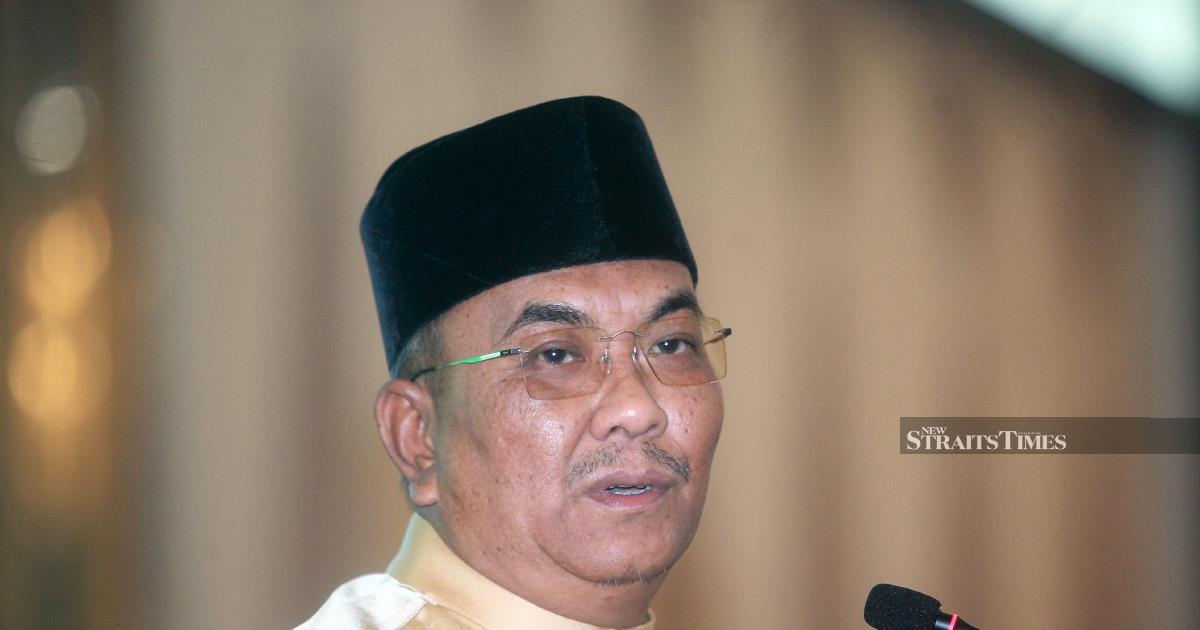
Kedah Menteri Besar Datuk Seri Muhammad Sanusi Md Nor and an Umno figure from Rembau have been called for questioning by authorities following controversial statements made during the Negri Sembilan state election campaign. The police announcement signals growing scrutiny of campaign conduct across Malaysia's political landscape, as electoral commissions and law enforcement agencies intensify monitoring of campaign activities to ensure compliance with election guidelines and laws governing political speech.
The decision to summon both individuals reflects a broader pattern of police intervention in electoral disputes, particularly when campaign remarks cross thresholds considered potentially damaging to public order or inconsistent with electoral regulations. Sanusi, who leads Kedah as Menteri Besar, was identified as one of the personalities whose campaign contributions during the Negri Sembilan polls attracted official attention. His involvement underscores how senior politicians from other states frequently participate in campaign rallies and activities to boost their party's prospects in local elections, a common practice across Malaysian politics that nonetheless occasionally invites regulatory scrutiny when the rhetoric becomes contentious.
The Rembau Umno leader's inclusion in the summons suggests that localised campaign messaging, not just remarks from high-profile speakers, has come under examination by authorities. Rembau, a constituency within Negri Sembilan, represents a traditional stronghold where Umno maintains significant influence, though recent electoral trends have shifted significantly across the state. The involvement of a regional party figure indicates that police are casting a wide net in their investigation, suggesting that the problematic statements span multiple speakers and possibly different types of alleged violations.
The nature of the specific remarks that triggered police interest remains unclear from the official announcement, though such summonses typically follow complaints about statements perceived as inflammatory, misleading, or in breach of electoral provisions. In Malaysia's regulatory framework, campaign speech is subject to various restrictions designed to prevent incitement, falsehoods, and disorder during election periods. The Election Commission and law enforcement agencies work in tandem to maintain electoral integrity and public tranquility during polling seasons, though the application of these rules sometimes generates debate about the boundaries between legitimate political criticism and impermissible conduct.
This incident arrives amid an increasingly complex political environment in Negri Sembilan, where electoral dynamics have proven volatile in recent years. The state has witnessed shifting coalitions and power transfers that reflect broader national political turbulence. When major figures from other states involve themselves in local campaigns, their utterances carry potential implications beyond the immediate constituency, sometimes triggering inter-state political tensions or provoking competing narratives about governance and leadership. Sanusi's summons therefore carries significance not only for Negri Sembilan politics but also for Kedah's political standing and his own leadership trajectory.
The timing and nature of police action in electoral matters remains a sensitive topic in Malaysian politics, with some observers noting that such interventions can appear uneven in their application across different political parties and movements. Questions frequently arise about whether summonses and investigations target certain politicians disproportionately, though authorities maintain that all reported violations receive impartial examination. This particular case, involving figures from Umno, one of Malaysia's traditional political powerhouses, will likely attract considerable attention from analysts tracking the consistency and fairness of electoral enforcement.
For Malaysian voters and the broader Southeast Asian region observing Malaysian politics, such incidents highlight the intricate relationship between political participation, regulatory oversight, and the boundaries of permissible campaign conduct. While electoral rules aim to protect democratic integrity and prevent harm, their enforcement necessarily involves judgments about what constitutes problematic speech versus legitimate political expression. The upcoming police questioning of Sanusi and the Rembau Umno leader will offer insights into how authorities interpret and apply these standards in practice.
The implications extend to campaigning norms across the region, as Malaysia's approach to electoral regulation influences how neighbouring countries and international observers assess the health of Malaysian democracy. Southeast Asian democracies frequently reference each other's regulatory frameworks when developing their own electoral guidelines, meaning that how Malaysia handles campaign speech controversies can set precedents affecting the broader political environment. The summonses therefore merit attention not merely as local incidents but as indicators of the trajectories that Malaysian electoral governance is following.
For Umno, the party most directly affected by these summonses, the matter presents tactical and strategic considerations regarding how its members conduct themselves during campaign activities. Senior party officials must navigate between energising their base through vigorous campaigning and remaining compliant with electoral regulations. Sanusi's specific situation is particularly noteworthy given his status as a Menteri Besar and the elevated platform his position provides; politicians holding such offices face heightened expectations regarding their public statements and campaign conduct. The police summons serves as a reminder that even high-ranking figures remain subject to electoral accountability mechanisms, though such accountability is applied selectively based on complaints and official determinations.
Looking ahead, the police questioning will likely generate significant political discussion about campaign ethics and regulatory application in Malaysian elections. The outcomes—whether formal charges are filed, whether warnings are issued, or whether matters are resolved without further action—will signal to political actors across Malaysia how vigorously enforcement will be pursued during future campaign seasons.

