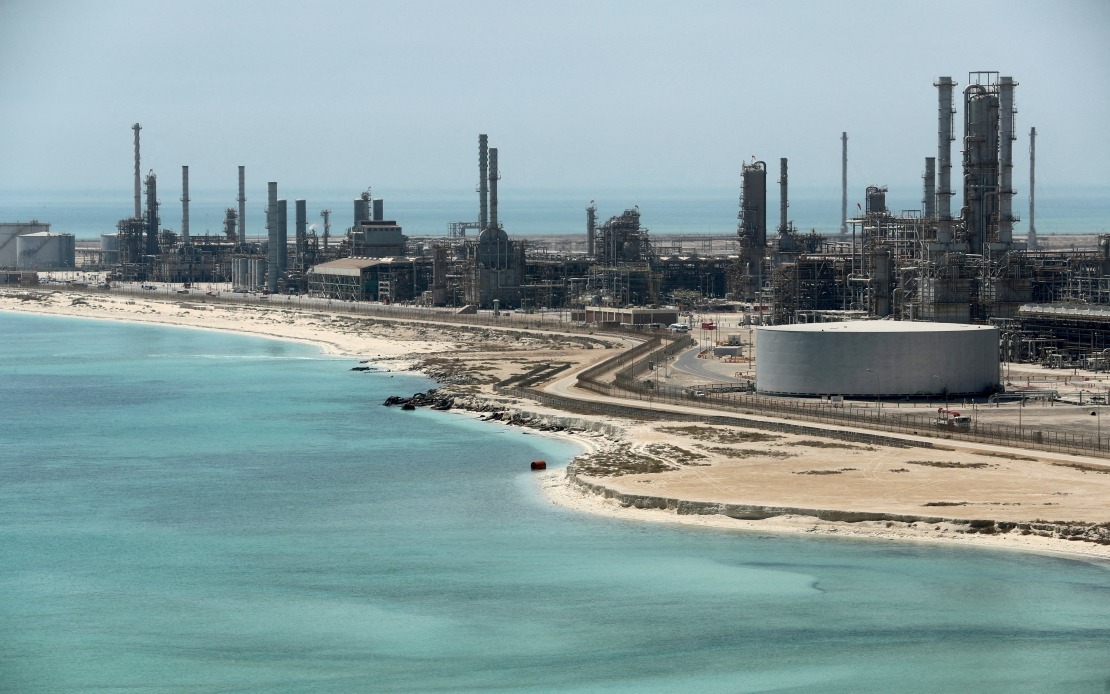
A helicopter operated by Saudi Aramco crashed in the early hours of Sunday morning in Ras Tanura, resulting in the deaths of all 14 people aboard, Saudi Arabia's Ministry of Energy confirmed. The accident, which occurred at approximately 6 am local time, claimed the lives of 14 Saudi nationals working for the oil giant, marking a significant tragedy in the kingdom's energy sector.
Ras Tanura, located on Saudi Arabia's eastern coastline along the Persian Gulf, represents one of the country's most strategically important energy infrastructure sites. The facility functions as a critical hub for crude oil refining and serves as a major export terminal for Saudi petroleum products, making it integral to both the kingdom's domestic energy supply and its global oil trading operations. The location of the crash in such a sensitive industrial zone underscores the gravity of the incident and raises immediate questions about safety protocols in high-risk operational areas.
The Saudi Ministry of Energy has initiated a comprehensive investigation into the circumstances surrounding the crash. Officials will examine multiple factors including mechanical failure, weather conditions, pilot error, and maintenance records to establish the precise cause of the accident. Such inquiries in the aviation sector typically involve both national authorities and, in many cases, international aviation safety experts, particularly when involving large-scale operations in strategic infrastructure zones.
For regional energy markets and Southeast Asian energy importers, the incident carries significant implications. Saudi Arabia remains the world's largest crude oil exporter and a crucial supplier to nations across the Asia-Pacific region, including Malaysia. Any disruption to Saudi Aramco's operations, even temporarily, can reverberate through global oil markets and affect energy security in commodity-dependent economies. However, initial indications suggest the crash occurred at the facility rather than affecting operational capacity, though full assessments are ongoing.
The Ministry of Energy issued formal condolences to the families of those killed, reflecting the gravity with which the government treats the loss. In official statements, authorities expressed sympathy for the bereaved families and emphasised the kingdom's commitment to determining what happened. The response underscores the human cost of industrial and transportation operations within the energy sector, where risks remain present despite modern safety standards.
Saudi Aramco, as the world's largest publicly traded oil company and the engine of Saudi Arabia's economy, maintains extensive flight operations across its vast network of exploration, production, and refining facilities. The company operates numerous aircraft for personnel transport, emergency response, and operational logistics. A crash of this magnitude affecting a single helicopter operation highlights the inherent risks of aviation in remote or industrial settings, even with advanced safety management systems in place.
The incident also prompts broader reflection on aviation safety standards within the Middle Eastern energy sector. Major oil and gas companies across the Gulf region depend heavily on helicopter operations to service offshore platforms, connect distant facilities, and transport personnel across expansive geographic areas. The frequency and necessity of such operations mean that maintaining rigorous safety protocols becomes paramount, with continuous investment in training, maintenance, and technology essential.
For Malaysia and other Southeast Asian nations reliant on Middle Eastern energy supplies, the crash reinforces the interconnectedness of regional energy security with developments in major producing countries. While this particular incident does not directly threaten energy supply chains, it illustrates the operational complexities and risks that major energy producers navigate daily. Supply chain resilience and diversification remain important considerations for energy-importing nations seeking to mitigate vulnerability to disruptions.
The investigation findings will likely receive attention not only from Saudi authorities but also from international aviation safety organisations and industry bodies. Such accidents, while tragic, often yield valuable lessons for improving safety practices across the sector. The International Civil Aviation Organization and relevant regional aviation authorities typically monitor investigations involving major operators, contributing to the development of enhanced safety standards and procedures.
The crash comes during a period of continued global attention to energy security, geopolitical tensions in the Middle East, and the transition towards alternative energy sources. While Saudi Arabia pursues long-term economic diversification through Vision 2030 initiatives, the energy sector remains central to the nation's economy and strategic importance. Maintaining safe operations across all facilities and transportation systems remains critical to the kingdom's economic stability and global energy market confidence.

