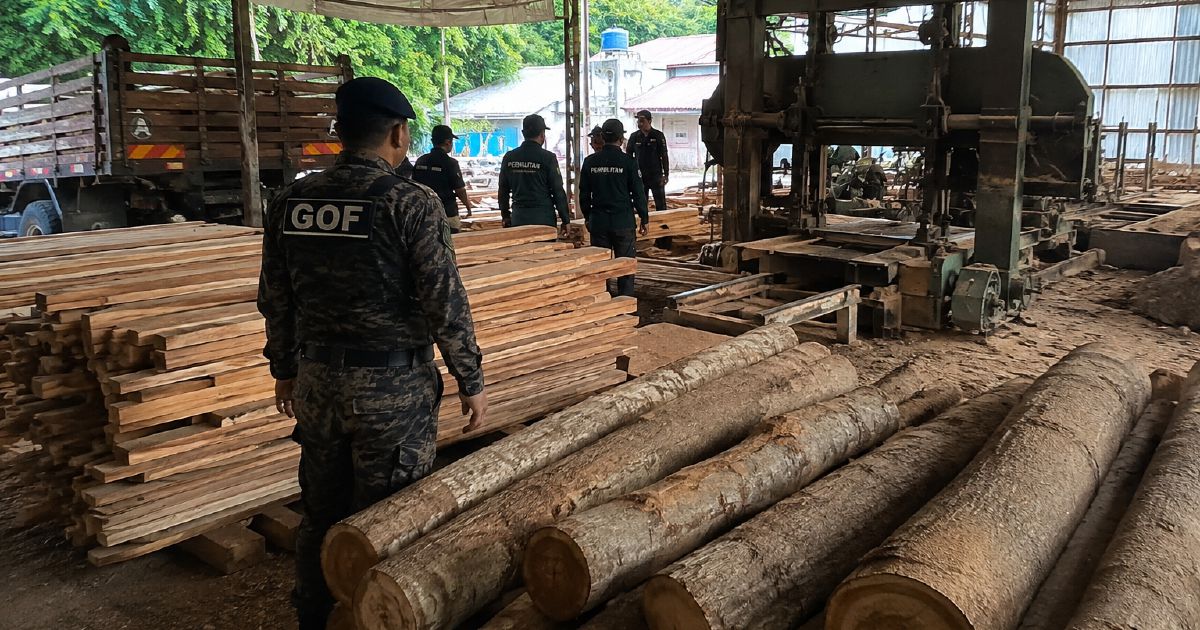
The General Operations Force launched an enforcement operation at a sawmill facility in Kuala Berang, Terengganu, recovering substantial quantities of timber and processing machinery during the raid. The seized goods, totalling RM640,510 in value, represent a significant recovery in what appears to be an ongoing effort to combat illegal or unauthorised timber processing activities in the state. The operation resulted in the arrest of a 20-year-old man at the location, marking another step in state enforcement operations targeting the timber industry.
Sawmill operations in Terengganu have long been subject to regulatory scrutiny, given the state's abundant forest resources and the economic significance of timber processing. The sector operates within a complex framework of regulations governing forestry concessions, timber rights, processing permits, and environmental compliance. Such raids typically target facilities operating without proper licensing, processing illegally sourced timber, or failing to meet environmental and safety standards set by federal and state authorities.
The value of the seized assets—approaching two-thirds of a million ringgit—underscores the capital-intensive nature of timber processing operations and suggests this was likely a substantial facility rather than a small-scale informal operation. Processing equipment in modern sawmills represents a considerable investment, particularly machinery used for cutting, sorting, and treating timber products destined for domestic or export markets. The recovery of both raw materials and capital equipment indicates the enforcement action targeted the operational core of the facility.
Kuala Berang, situated in Hulu Terengganu district, lies within an area characterised by significant forestry activity and rubber cultivation. The district's location near substantial forest reserves makes it a focal point for both legitimate timber operations and potential illegal harvesting activities. Enforcement operations in this region frequently address concerns about unauthorised timber extraction, inadequate environmental management, and compliance failures affecting water resources and wildlife habitats.
The General Operations Force, responsible for internal security operations including enforcement actions on environmental and forestry matters, has maintained an active presence in monitoring industrial facilities across Terengganu. These operations form part of broader state and federal initiatives to ensure that timber processing aligns with environmental regulations, labour standards, and commerce licensing requirements. The force's involvement indicates the case may involve factors extending beyond simple permitting issues.
Arrest of the 20-year-old suspect suggests individual accountability mechanisms are being pursued alongside asset seizure. Investigation will likely determine whether the individual bore operational responsibility for the facility, held ownership stakes, or occupied a management position directing day-to-day activities. Such determinations affect both criminal liability and the scope of charges that may be pursued, ranging from unlicensed operations to handling stolen timber or environmental violations.
The broader context of timber industry enforcement in Malaysia reflects ongoing tensions between economic development aspirations and environmental conservation objectives. Terengganu's forests represent both resource wealth and ecological importance, including habitat for protected species and provision of watershed services. Illegal or unregulated sawmill operations can contribute to forest degradation, soil erosion, and water pollution affecting downstream communities and agricultural operations.
For Malaysian businesses operating legitimately in the timber sector, such enforcement actions reinforce the importance of maintaining proper documentation, environmental compliance, and operational transparency. The costs of operating within regulatory frameworks—obtaining permits, installing pollution controls, employing licensed workers—create competitive pressures against facilities cutting corners. However, consistent enforcement helps level the playing field for compliant operators and protects Malaysia's international reputation as a responsible forestry nation.
The seizure also reflects enforcement coordination between state authorities and federal bodies responsible for forestry management and trade regulation. Timber processing facilities occupy a position in the supply chain between forest harvesting and commercial markets, making them critical checkpoints for ensuring traceability of materials and compliance with sustainability standards. Strengthening enforcement at processing facilities can help break chains linking illegal extraction to commercial markets.
This operation contributes to a pattern of enforcement actions across East Coast states targeting industrial facilities in forestry-related sectors. Perlis, Kedah, and Pahang have similarly reported seizures and arrests related to timber operations in recent years. These actions suggest sustained commitment from state and federal authorities to address compliance issues, though questions remain about whether enforcement intensity matches the scale of underlying violations and whether administrative procedures protecting legitimate business interests are consistently applied.
The investigation into this specific case will likely determine whether charges proceed under environmental legislation, customs regulations governing timber trade, licensing statutes, or labour standards provisions. The evidential basis established during the raid—photographic documentation, equipment assessment, timber species identification, and suspect interrogation—will inform prosecutorial decisions and potential sentencing recommendations.
For Terengganu, the seizure represents both a regulatory victory and an indication that sawmill supervision requires sustained vigilance. As demand for tropical timber continues in regional and global markets, financial incentives for operating outside regulatory constraints remain substantial. Whether this particular operation represents organised commercial enterprise or smaller-scale informal activity will influence policy discussions about the sector's oversight architecture and whether existing regulatory mechanisms prove proportionate to enforcement challenges.

