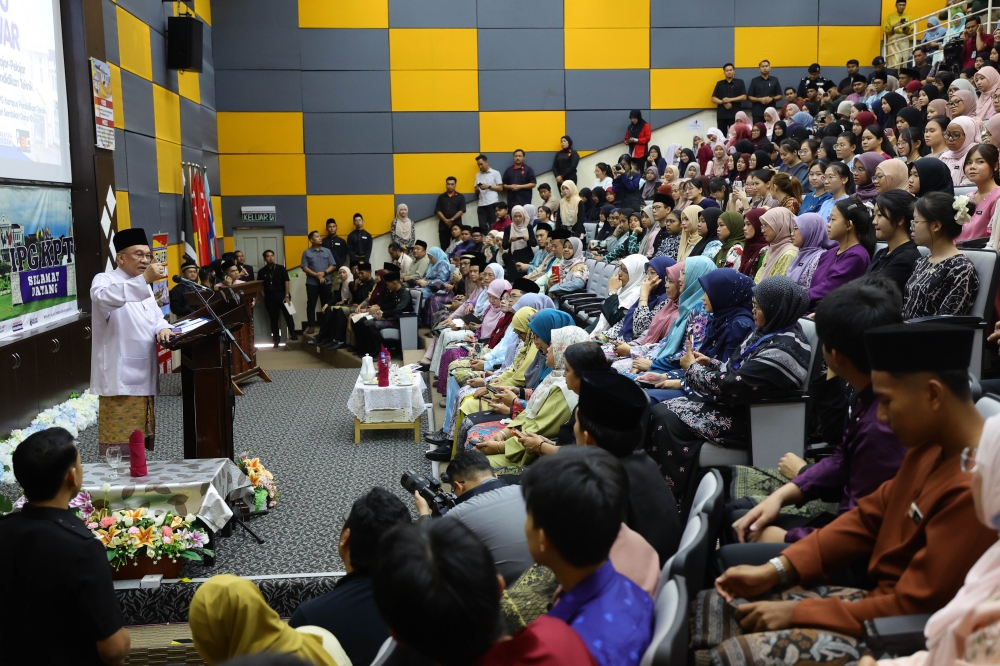
Prime Minister Datuk Seri Anwar Ibrahim has issued a stern directive to Malaysian schools, warning administrators against concealing bullying incidents in an effort to maintain their institutional reputation. Speaking in Nilai on July 17, the premier underscored that protecting children from harassment and mistreatment must supersede any institutional interests, establishing a clear hierarchy of priorities that places student welfare at the forefront of school governance.
Anwar's intervention reflects growing concerns within Malaysia's education sector regarding how schools handle misconduct cases. Bullying remains a persistent problem in Malaysian institutions, ranging from physical altercations to psychological harassment and cyberbullying. The prime minister's remarks suggest that some schools have been attempting to manage these situations internally or quietly, prioritising damage control over proper investigation and victim support. This practice undermines both the severity of bullying and the recovery needs of affected students.
The directive carries significant implications for school administrators and education authorities nationwide. By publicly stating that reputational concerns cannot overshadow child protection, Anwar has effectively signalled that transparency and accountability in bullying cases will be monitored at the highest levels of government. Schools that attempt to downplay or obscure bullying incidents now face potential scrutiny, creating an institutional incentive to report and address problems rather than conceal them.
Malaysia's education system has long grappled with bullying as a systemic challenge. Students across primary and secondary schools report varying degrees of peer harassment, which can have devastating psychological consequences including anxiety, depression, and academic decline. When schools suppress these incidents to protect their rankings or public image, they essentially abandon victims to continued suffering while allowing perpetrators to remain unaccountable. This creates environments where bullying culture can flourish unchecked.
Anwar's stance aligns with international best practices in student protection. Nations with robust anti-bullying frameworks treat transparency as essential to prevention and intervention. When bullying incidents are documented, investigated properly, and communicated to relevant stakeholders, schools develop systematic responses that deter future misconduct. Conversely, concealment breeds institutional cultures where bullying becomes normalised and victims lose faith in seeking help from authority figures.
The prime minister's warning also addresses a troubling dynamic where parents of bullying victims encounter resistance from schools reluctant to acknowledge problems. Families often report being discouraged from pursuing complaints or involving authorities, effectively silencing victims. Anwar's intervention provides governmental backing for parents and students who refuse to accept institutional cover-ups, empowering them to escalate cases beyond school management if necessary.
Implementing this directive will require Malaysian schools to overhaul their incident response protocols. Rather than discretionary reporting to school leadership alone, bullying cases should trigger standardised investigation procedures, documentation, parental notification, and where appropriate, engagement with law enforcement. Teachers and staff need training to recognise bullying across its various forms and understand their obligation to report rather than conceal. School leaders must receive guidance that protects them legally and professionally when they handle bullying transparently rather than face accusations of damaging school reputation.
The Education Ministry faces responsibility for ensuring Anwar's directive translates into concrete policy changes. Clear guidelines defining what constitutes bullying, mandatory reporting requirements, investigation standards, and disciplinary frameworks must be established and communicated to all schools. Monitoring mechanisms should be established to verify compliance and identify institutions that continue suppressing incidents. Training programmes for principals, counsellors, and teachers should emphasise that transparent handling of bullying actually protects school reputation by demonstrating institutional commitment to student welfare.
For Malaysian parents and students, Anwar's statement provides important validation that their concerns about bullying are being taken seriously at the highest levels. It suggests that attempting to silence victims or minimise bullying incidents will no longer be tacitly accepted. Students who experience bullying now have clearer backing to seek help without fear that schools will prioritise concealment over their protection. Parents can reference the prime minister's directive when challenging schools that attempt to downplay harassment or intimidate victims into silence.
The broader implications extend beyond individual schools to Malaysia's entire education ecosystem. An environment where bullying is openly addressed and tackled sends a message to all students that such behaviour carries consequences and that institutions take their safety seriously. Conversely, schools that continue suppressing incidents will likely face increased scrutiny, potential regulatory action, and reputational damage greater than what transparency would have entailed. The calculation for school administrators thus shifts: concealment becomes riskier than honest acknowledgement.
Anwar's intervention also highlights the need for adequate support systems within schools. Counsellors, psychologists, and trained anti-bullying coordinators must be available to support both victims and perpetrators. Victims require trauma-informed care to process their experiences and rebuild confidence, while those engaging in bullying need intervention to address underlying behavioural issues. Schools cannot adequately provide these services if they are simultaneously trying to conceal incidents.
Moving forward, Malaysian education authorities must treat this prime ministerial directive as a watershed moment for child protection policy. The message is unambiguous: institutional reputation cannot be purchased at the expense of student safety. Schools that embrace transparency, establish robust anti-bullying systems, and prioritise victim support will ultimately strengthen their reputations far more effectively than those attempting concealment. For Malaysia's young people, this represents a meaningful shift toward creating educational environments where they can learn without fear of institutional betrayal.

