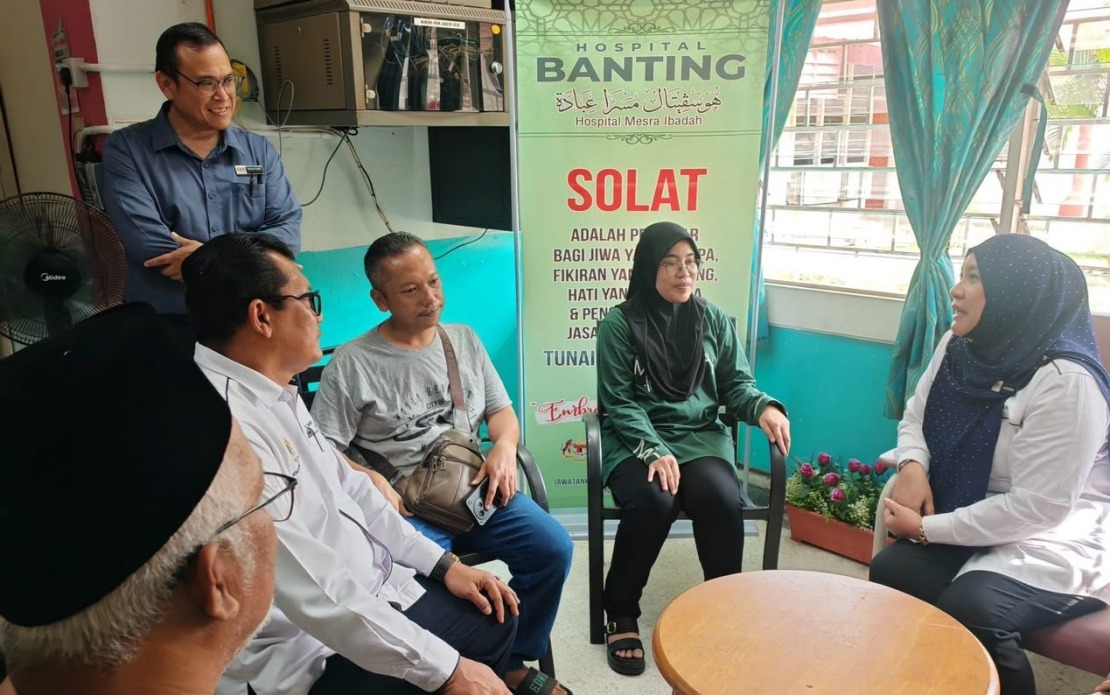
A high-profile visit to Banting Hospital underscored the seriousness with which Selangor's education authorities are treating the stabbing of a Form Three student, with the state's top education official personally meeting the injured teenager and her parents to offer reassurance and backing during what remains an ongoing investigation into the violent incident.
Wan Nor Ashikin Abu Kassim, director of the Selangor State Education Department (JPN), led the delegation to see the 15-year-old victim, who is currently undergoing hospital care following the assault that unfolded at her secondary school in Banting, within the Kuala Langat administrative district. The JPN announced the visit through its social media channels, emphasising the department's commitment to supporting both the student and her family through the difficult recovery process ahead.
During the hospital visit, Wan Nor Ashikin spent time with the injured girl and engaged with her parents, conveying the institution's concern and providing words meant to bolster their spirits during a stressful period. The gesture reflects a broader responsibility that education departments bear when their students face trauma, particularly incidents involving violence on or near school premises, which can reverberate through entire communities and shake public confidence in school safety.
The victim's father disclosed previously that his daughter sustained a penetrating lung injury alongside 16 separate stab wounds across her body, injuries that speak to the ferocity of the attack and underline the severity of the situation. That level of injury raises urgent questions about how such a violent escalation occurred within what should be a secure educational environment, and whether institutional safeguards functioned as intended.
The Selangor JPN issued a formal statement reiterating that police have detained a suspect believed responsible for the stabbing. As of the department's public announcement, investigators had taken an individual into custody pending further enquiries, and that process has now moved into the judicial phase with formal remand procedures initiated.
A court has since ordered that the suspect remain in police custody for a four-day remand period effective from July 7, a timeframe that provides detectives the opportunity to gather evidence, conduct interviews, and develop their investigative narrative before deciding whether to pursue formal charges or seek extended detention. The remand decision suggests that investigators required additional time to solidify their case, a standard procedural step in the Malaysian criminal justice system when dealing with serious violent offences.
Educational institutions across Malaysia have faced renewed scrutiny regarding student safety protocols following this incident in Banting, prompting reflection among administrators, parents, and policymakers about what systemic measures can prevent such violence. The stabbing represents the kind of low-probability but high-impact event that generates lasting concern in school communities, even as incidents of serious violence within schools remain statistically uncommon in the country.
The JPN's public messaging has centred on compassion and institutional solidarity with the affected family, with the department expressing prayers for the student's complete recovery and pledging to facilitate coordination among the hospital, the family, police, and other relevant authorities. Such coordination becomes essential when a school-based violent incident occurs, as multiple institutions—the school itself, the hospital, law enforcement, and the education ministry—must align their efforts to ensure proper care, investigation, and institutional learning.
For Malaysian parents and educators, the incident serves as a reminder of the unpredictability of school environments and the importance of emergency preparedness, staff training in violence de-escalation, and transparent communication when crises unfold. The rapid response from senior education officials also signals that accountability and duty of care remain central to how the state's school system attempts to protect its most vulnerable charges.

