Selangor has emerged as the epicentre of Malaysia's rail transport sector, hosting between 63% and 67% of all regional rail operations and corporate headquarters. Recognising this dominance as a strategic asset, the state government is now positioning rail transportation as a cornerstone high-value industry with significant employment and career advancement potential. The shift represents a deliberate pivot toward skill-intensive, knowledge-based sectors that can generate sustained economic value and position the state as a regional transport hub.
Mentri Besar Datuk Seri Amirudin Shari articulated this vision at an event at Universiti Tun Hussein Onn Malaysia in Sungai Buloh, emphasising that Selangor's commitment extends beyond infrastructure investment to encompass workforce development and educational provision. The state recognises that building a competitive rail industry requires sustained commitment to training and human capital development. By cultivating local expertise, the state aims to reduce dependence on external talent and create a self-sustaining ecosystem where professionals can advance through domestic institutions and gain recognised credentials.
A cornerstone initiative is the newly established Selangor State Rail Council, a dedicated body charged with understanding the industry's structural requirements and identifying persistent skills gaps. The council serves as a coordination mechanism between government agencies, educational institutions, and transport operators to align training programmes with actual labour market demands. This institutional architecture allows the state to respond dynamically as the rail sector evolves, ensuring that educational offerings remain relevant and responsive to changing technological and operational needs.
To galvanise interest among younger cohorts, Selangor has rebranded the Metro System Academy at UTHM as RailX, signalling both institutional renewal and a fresh engagement strategy with secondary education. The academy, operating as a partnership between UTHM and Mass Rapid Transit Corporation, trains workers and students across modern rail systems, public transport, and integrated mobility platforms. This institutional collaboration exemplifies the triple helix model—government, academia, and industry working in concert—that increasingly characterises effective sectoral development strategies across Southeast Asia.
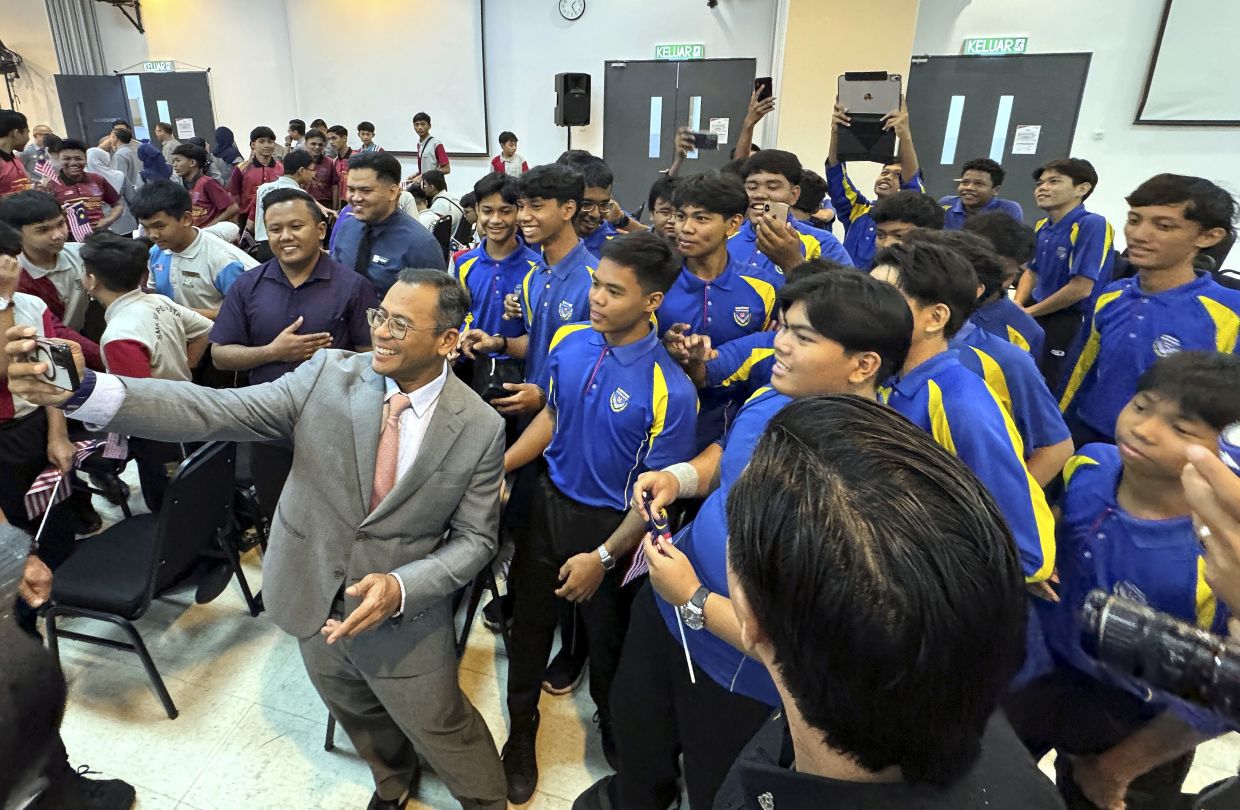
RailX has launched an interactive treasure hunt programme engaging secondary schools from ten different Selangor districts. The initiative takes students on guided experiences across multiple MRT stations including Gombak, Petaling, Hulu Langat, Sepang, Klang, Sabak Bernam, and Kuala Selangor, demystifying rail operations and career pathways. By exposing young people to the rail environment and professional opportunities during formative years, the state aims to build a pipeline of candidates already oriented toward the industry.
This educational approach aligns with Malaysia's broader Education Plan 2026–2035, which emphasises introducing students to emerging industries and skilled career pathways. Rather than treating rail sector engagement as peripheral to mainstream education, Selangor has integrated it into strategic education development, ensuring institutional support and curricular coherence. The timing is significant: as multiple rail projects expand across the state—including LRT3, ECRL, and MRT extensions—workforce demand will intensify, creating genuine employment prospects for graduates.
The state has also constructed a multi-tiered technical education ecosystem to support career progression. The Selangor Technical Skill Development Centre functions as a strategic entry point, providing basic and intermediate training in technical vocations. Critically, pathways exist for STDC graduates to advance into diploma and bachelor's degree programmes at UTHM, creating a seamless progression from foundational skills through professional qualification. This articulated pathway addresses a persistent problem in Malaysian vocational education: the perceived dead-end nature of technical training and the absence of clear advancement routes into higher education.
Colaborations with operational partners including MRT Corp and Rapid Rail inject practical industry input into curriculum design and training delivery. These partnerships ensure that educational content reflects actual workplace requirements and that students graduate with immediately applicable competencies. Furthermore, industry engagement validates the credibility of qualifications, signalling to employers that graduates possess recognised, sector-relevant expertise.
The strategic focus on rail reflects broader economic trends in Southeast Asia. As regional urbanisation accelerates and living standards rise, integrated public transport systems become increasingly essential. Selangor's position as host to multiple major rail projects positions it advantageously within this trajectory. By developing skilled workforces now, the state creates competitive advantages as regional transport demand expands, potentially attracting regional and international transport operators seeking quality local expertise.
This initiative also addresses a long-standing challenge facing Malaysia: ensuring that infrastructure investments generate proportionate domestic employment and skills development rather than importing labour. By establishing comprehensive training ecosystems anchored to actual sectoral expansion, Selangor demonstrates how deliberate state coordination can align educational provision with economic opportunity, creating virtuous cycles where infrastructure development drives skills investment, which in turn enhances the quality and sustainability of that infrastructure.
The initiatives signal confidence in rail transport's trajectory as a future industry, even amid broader economic uncertainties. For Malaysian policymakers and educators elsewhere, Selangor's systematic approach—combining institutional coordination, educational pathway design, industry partnership, and early-stage student engagement—offers a replicable model for developing skilled workforces in emerging sectors.

