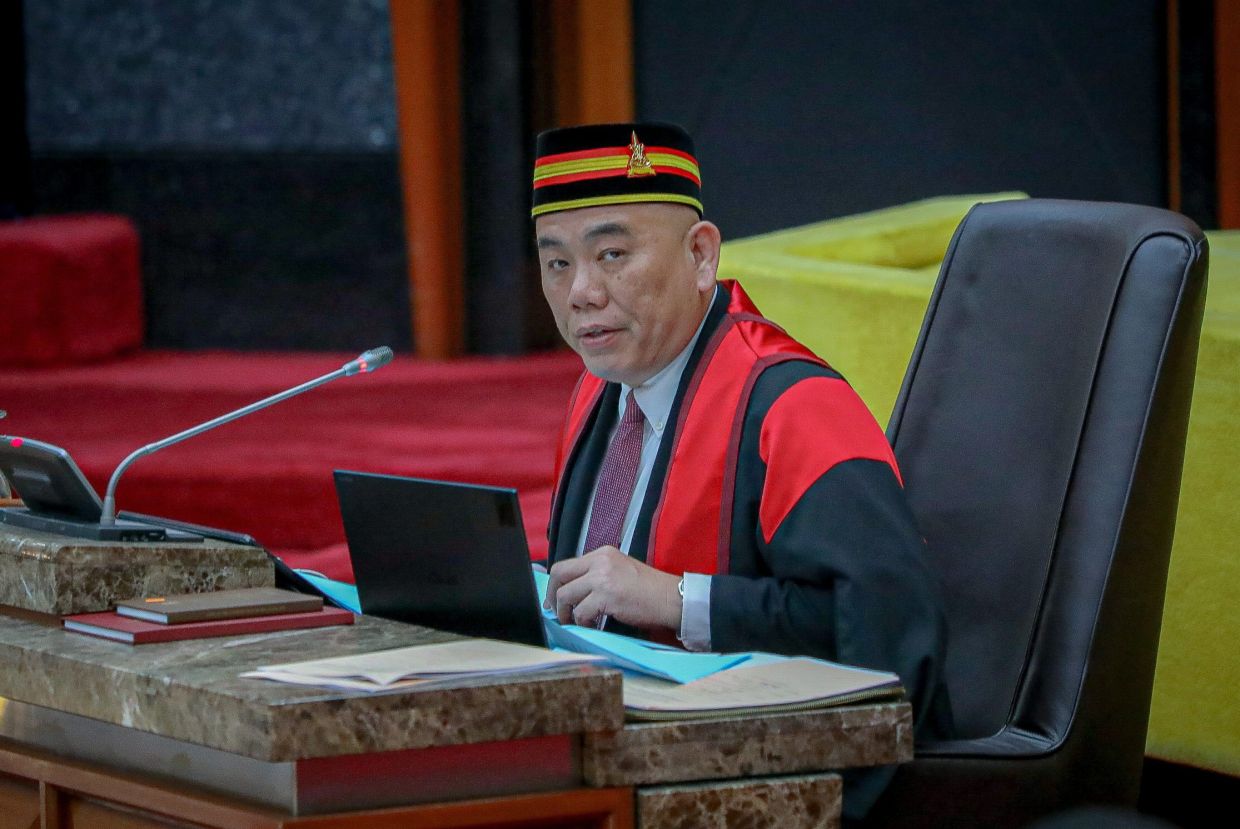
Selangor Speaker Lau Weng San has definitively ended months of speculation about potential by-elections in the state, announcing that a thorough review of all assemblymen completed in August found no legitimate grounds for any of them to vacate their positions. The reassurance came during a press conference held on the sidelines of the state assembly sitting in Shah Alam, dispelling concerns that had mounted following reports of a bankruptcy order against one state representative earlier in the month.
The comprehensive audit, which concluded as of August 10, examined assemblymen from all political parties represented in the Selangor State Assembly and assessed every aspect of their conduct and eligibility. Lau emphasised the breadth and thoroughness of the investigation, noting that it encompassed all representatives and involved checks across multiple dimensions of potential disqualification. This meticulous approach appears designed to provide absolute clarity to stakeholders and the public regarding the stability of the current composition of the state legislature.
The timing of this announcement proved significant, as it came on the heels of widespread speculation triggered by a bankruptcy order affecting one assemblyman earlier in August. Such orders typically raise concerns about potential seat vacancies, as bankruptcy can be grounds for disqualification under Malaysia's constitutional framework. However, the High Court subsequently set aside the bankruptcy order, removing the technical trigger for any potential by-election process. The Speaker's confirmation that the subsequent review found no issues across the entire assembly effectively closes the chapter on these concerns.
Beyond addressing the by-election speculation, Lau used the opportunity to tackle what he characterised as a persistent attendance problem affecting the effectiveness of state legislative proceedings. He announced that a list of frequently absent assemblymen would be published on social media platforms, a move designed to increase transparency and accountability regarding participation in state assembly sittings. The Speaker's willingness to make attendance records public signals a deliberate shift toward greater scrutiny of lawmakers' commitment to their parliamentary duties.
Lau outlined the procedures and expectations surrounding absences from state assembly sessions. He noted that assemblymen should formally submit written requests for leave before missing sittings, and highlighted an example involving the Bandar Baru Klang representative, who had requested and received approval for leave following surgical procedures and medical advice to rest for a week. This distinction between approved absences and unauthorised non-attendance suggests the Speaker is attempting to create clearer protocols while acknowledging legitimate personal circumstances.
The current attendance pattern shows that state assembly sittings typically experience between three and five absent members at any given session. While assemblymen are not legally obligated to inform the secretariat in advance of absences, Lau stressed that non-attendance carries substantive costs. Members who miss sittings forfeit opportunities to table questions, receive government responses, make legislative proposals, and hear important policy updates delivered during winding-up speeches by executive councillors. This framing attempts to reframe attendance not merely as an obligation but as access to meaningful parliamentary participation.
Lau introduced a potentially controversial measure whereby state executive councillors could elect to skip addressing questions posed by absent assemblymen during winding-up sessions, thereby saving time for responses directed at members who are physically present. This approach effectively creates negative consequences for non-attendance, beyond the loss of participation opportunities. The measure suggests that executive accountability itself becomes contingent on assemblyman presence, potentially creating pressure for improved attendance without formal disciplinary mechanisms.
The Speaker's remarks underscored the limited frequency of assembly sittings in Selangor's legislative calendar. With the state assembly meeting only approximately three times annually, and each session typically lasting two weeks or less, the Speaker argued that members should treat these occasions as paramount priorities. He urged assemblymen to structure their constituency work, party meetings, and other professional commitments to avoid clashes with scheduled assembly sessions, noting that exceptions for emergencies—specifically deaths requiring immediate burial according to religious customs—represent the only unavoidable circumstances.
Lau also clarified that partial attendance still counts as present, indicating that assemblymen arriving late to sessions retain their attendance status provided they participate in at least some portion of the proceedings. This flexibility appears designed to accommodate travel delays and scheduling complications while still rewarding presence over complete absence. Additionally, he disclosed that assemblymen receive attendance allowances of RM200 for morning sessions and RM150 for afternoon sessions, financial incentives tied directly to participation.
The Speaker's comprehensive statement addresses multiple governance challenges simultaneously: confirming institutional stability by ruling out by-elections, establishing clearer attendance protocols and consequences, and attempting to raise the bar for parliamentary engagement among Selangor's representatives. For Malaysian political observers, the emphasis on attendance and accountability reflects growing public expectations that lawmakers justify their positions through active participation rather than nominal holding of office. The measures Lau outlined represent a middle path between voluntary encouragement and formal disciplinary action, relying on transparency, social pressure, and procedural consequences to improve legislative culture within Selangor's assembly.

