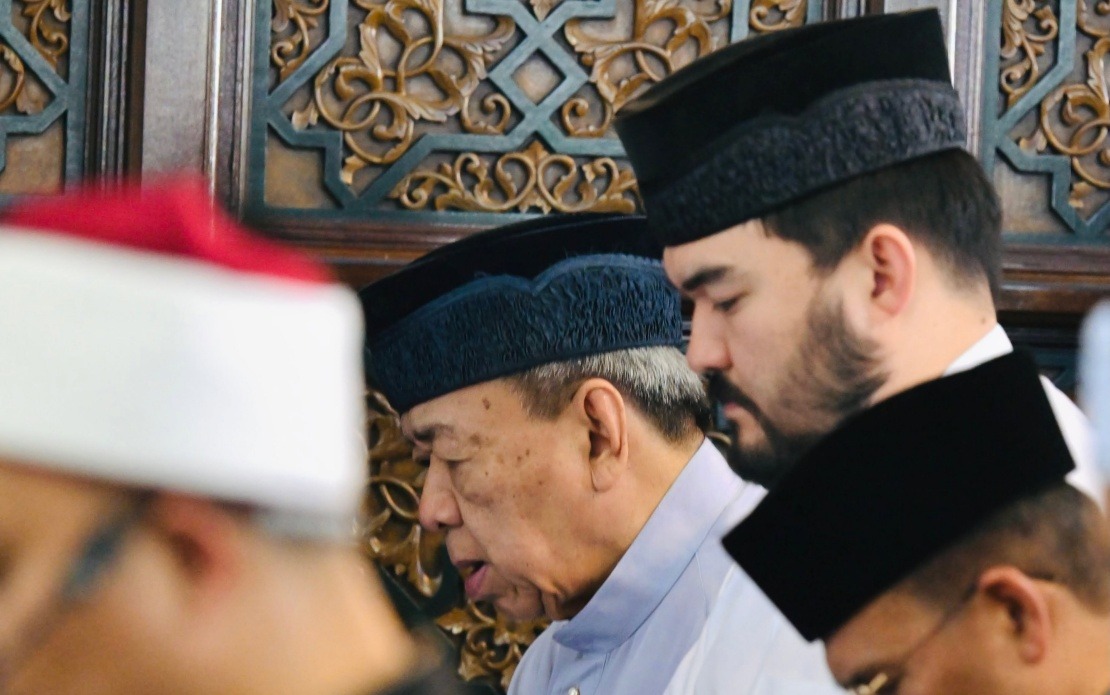
Sultan Sharafuddin Idris Shah has called upon the Muslim community in Selangor to consistently practice kindness and compassion towards animals of all kinds, encompassing domestic strays, wildlife, and creatures in their natural habitats. The appeal came as Friday sermons delivered across mosques throughout Selangor today focused on the theme of 'Ihsan Terhadap Mahkluk Allah SWT', which translates to showing compassion towards the creatures of Allah. The Selangor Royal Office announced the Sultan's message through its official social media channels, inviting residents to reflect deeply on the sermon's spiritual and practical significance.
As custodians of the planet, the Sultan emphasized that humanity carries profound obligations extending far beyond our own species. This stewardship encompasses a comprehensive responsibility to safeguard, nurture, and manage the natural world in a manner that respects its inherent value and fragility. The framework of this responsibility encompasses not merely the animal kingdom but extends to vegetation, geological formations, waterways, and entire ecosystems. These manifestations of creation serve as tangible reminders of Allah's infinite power and majesty, the Sultan noted, and their continuation and wellbeing must remain a priority for all people.
The relationship between human beings and the broader animal kingdom must be anchored in two foundational principles: compassion and accountability. This balance is not incidental to Islamic teaching but rather represents a central element of its ethical framework. The Sultan drew particular attention to the historical example of Prophet Muhammad, whose teachings on animal welfare have echoed through Islamic scholarship for over fourteen centuries. The Prophet's emphasis on treating animals humanely—whether through provision of sustenance and hydration or through the absolute prohibition of cruelty—establishes clear behavioral standards for believers.
Islamic jurisprudence does not demand that animal welfare be prioritized without limitation or context, however. The Sultan acknowledged that situations arise where wildlife presents genuine threats to public safety or inflicts significant damage upon property and livelihoods. In such circumstances, Islamic law permits intervention to mitigate harm, grounded in the principles of Maqasid Syariah, the overarching objectives that guide Islamic legal reasoning. These objectives prioritize the protection of human life and the preservation of property rights, reflecting a holistic approach to community welfare and social order.
This nuanced position reflects a sophisticated understanding of ethics that many contemporary Muslim societies struggle to articulate clearly. The Sultan's message effectively rebuts a false dichotomy that has emerged in recent public discourse—the notion that defending animal welfare necessarily comes at the expense of human interests or security. Rather, he positioned compassion towards creatures and the safeguarding of human wellbeing as complementary values that together constitute the comprehensive vision of Islamic moral teaching. This integration of competing concerns represents the breadth and flexibility of Islamic ethics when correctly understood.
For Malaysian society, the Sultan's intervention carries particular relevance given ongoing tensions between urban expansion and wildlife conservation. As cities in Selangor and throughout Malaysia continue to develop, encounters between humans and animals—particularly in fringe areas—have become increasingly frequent. Stray dog populations in urban centers, elephant incursions into settled regions, and conflicts with other wildlife species generate heated community debates. The Sultan's message provides religious and moral grounding for pursuing solutions that respect both human welfare and animal dignity.
The emphasis on compassion towards strays holds specific significance in the Malaysian context. Street animals, particularly dogs and cats, have historically occupied an ambiguous social space in Muslim-majority communities, despite Islamic teachings that do not inherently prohibit their care. By explicitly naming strays alongside other creatures deserving of compassion, the Sultan legitimizes efforts by animal welfare organizations and concerned individuals who have worked to improve conditions for these vulnerable populations. This recognition may encourage greater acceptance of animal rescue and rehabilitation initiatives throughout Selangor.
The Friday sermon campaign across Selangor's mosques demonstrates how religious institutional structures can effectively communicate ethical messages to broad populations. By coordinating messaging across numerous houses of worship simultaneously, the Selangor Royal Office ensured that the Sultan's teaching reached diverse communities in a structured manner. This systematic approach amplifies the impact of the message far beyond what any single statement could achieve, embedding the principles of animal compassion within the regular religious practice of Muslim Selangor residents.
The Sultan's reference to environmental stewardship as a religious obligation positions animal welfare within a larger framework of ecological responsibility. This perspective aligns with growing global recognition that environmental degradation and animal suffering are interconnected challenges requiring integrated solutions. In the Malaysian context, where rapid industrialization and agricultural development have accelerated habitat loss and human-wildlife conflict, this broader vision offers religious sanction for conservation efforts that might otherwise be marginalized in discussions dominated by economic considerations.
Implementing these teachings presents practical challenges that Selangor's authorities and communities will need to address collaboratively. Developing effective protocols for managing wildlife conflicts that prioritize humane solutions, supporting animal welfare organizations, and educating the public about responsible treatment of animals all require sustained effort and resource allocation. The Sultan's moral authority can serve as a catalyst for such initiatives, providing religious justification for investment in animal welfare infrastructure and training.
The message also implicitly critiques practices of animal cruelty that persist in some segments of Malaysian society, whether in the context of traditional entertainment, food production, or simple neglect. By invoking Prophet Muhammad's teachings and positioning compassion as a core Islamic value, the Sultan raises the moral stakes for individuals and institutions that tolerate or perpetrate animal suffering. This may encourage greater reporting of animal abuse and more serious community attitudes toward prevention.
Looking forward, the Sultan's intervention suggests that animal welfare will receive increasing attention in Selangor's public and religious discourse. Other state leaders may follow this example, broadening the conversation nationally. For animal welfare organizations operating throughout Malaysia, this religious endorsement from a senior royal figure provides valuable leverage in advocacy efforts and policy discussions. The framing of animal compassion as an Islamic duty rather than a Western import removes a significant barrier to public acceptance of humane treatment initiatives.

