The Selangor state government faces mounting financial strain and operational challenges as criminal activity at pump house facilities escalates across the region. Infrastructure and Agriculture Committee chairman Datuk Izham Hashim revealed that repeated incidents of vandalism and theft have depleted state resources to the tune of RM400,000, while simultaneously undermining the effectiveness of the drainage systems that protect residents from flooding.
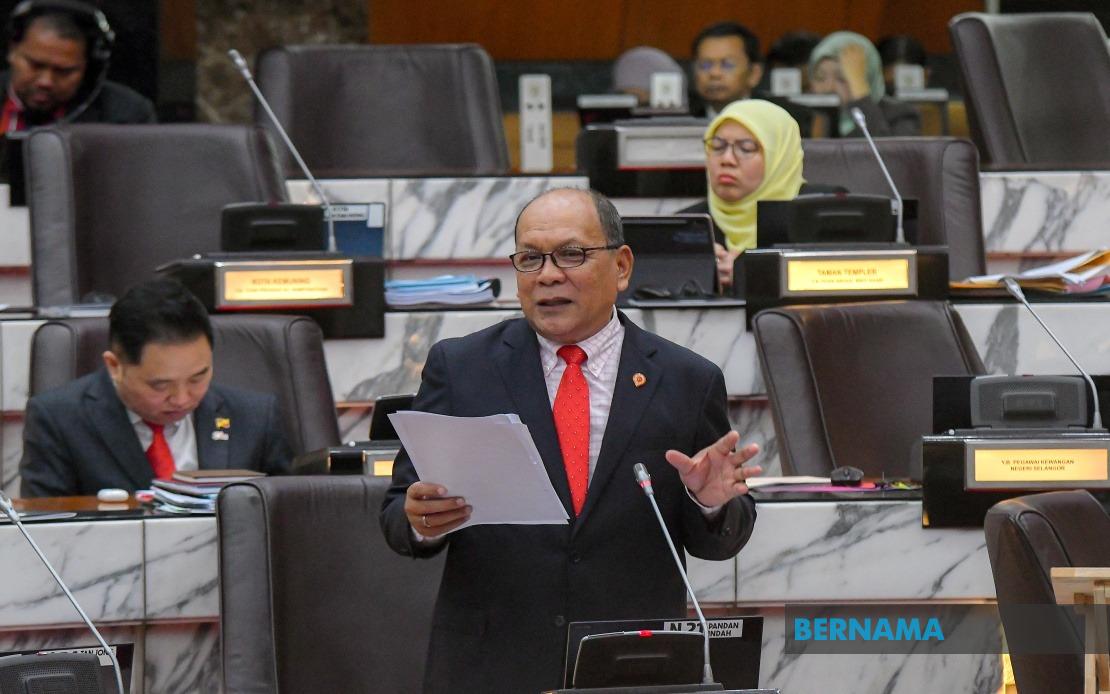
The recurring problem extends beyond simple financial loss. These pump houses form critical nodes in Selangor's flood management infrastructure, and their compromise directly affects the state's ability to respond to monsoon seasons and heavy rainfall events. When vandals strip equipment or damage vital components, the cascading effect jeopardises the entire flood mitigation network that thousands of residents depend upon. Datuk Izham acknowledged the severity during the State Legislative Assembly session, signalling that state leadership recognises this as both a security and a public safety matter requiring urgent intervention.
Responding to concerns raised by assemblyman Jefri Mejan from Ijok, Datuk Izham outlined a multi-agency approach to address the crisis. The state government has already engaged with Selangor's police leadership to develop enforcement strategies specifically targeting incidents at these facilities. This coordination between civilian infrastructure agencies and law enforcement represents an acknowledgement that the problem has reached a scale where traditional maintenance responses alone prove insufficient.
Central to the government's response is a commitment to upgrade physical security infrastructure across affected pump house locations. Installation of closed-circuit television systems has been prioritised, with Datuk Izham directing the Drainage and Irrigation Department and Public Works Department to accelerate this initiative. CCTV coverage serves a dual purpose: it acts as a visible deterrent to potential offenders while simultaneously providing evidence for law enforcement investigations and prosecution efforts.
The involvement of both the Drainage and Irrigation Department and the Public Works Department reflects the complexity of managing these facilities. These agencies must balance operational requirements with security protocols, ensuring that enhanced security measures do not impede essential maintenance or emergency response activities. Datuk Izham indicated that security enhancement would be implemented through a structured process that accounts for these operational realities.
Beyond the immediate security upgrades, state officials are exploring additional measures to create a comprehensive deterrent framework. These efforts acknowledge that no single intervention will entirely eliminate the problem. The combination of improved surveillance, visible security presence, and law enforcement coordination aims to make targeting these facilities less attractive to would-be vandals and thieves.
For residents across Selangor, particularly those in flood-prone areas, the stakes in this infrastructure security battle remain extraordinarily high. The state's recent experience with monsoon flooding has demonstrated the critical importance of functioning drainage systems. Every hour that pump houses remain compromised or offline represents increased vulnerability during heavy rainfall events. The RM400,000 expenditure, while substantial, pales in comparison to the potential damage a major flooding incident could inflict upon homes, businesses, and livelihoods.
The issue also raises broader questions about resource allocation and prevention versus remediation. The money spent on repairs could conceivably be redirected toward other infrastructure improvements or maintenance projects. From a governance perspective, this suggests the state would benefit from understanding the root causes of the vandalism and theft problem. Whether these incidents stem from deliberate sabotage, opportunistic theft by scrap metal dealers, or organised criminal activity will significantly influence the effectiveness of countermeasures.
Selangor's challenge mirrors difficulties faced by critical infrastructure operators worldwide, where balancing public access, operational needs, and security proves perpetually contentious. Unlike high-security government facilities that can impose strict restrictions, drainage and water management infrastructure must often remain accessible for emergency repairs and routine maintenance. This operational necessity creates vulnerabilities that criminal elements can exploit.
The state government's decision to pursue police support and security agency collaboration signals a willingness to treat this as a priority matter worthy of dedicated resources. However, the ultimate success of these initiatives will depend on consistent implementation, adequate funding, and genuine coordination between multiple government departments with sometimes competing priorities.
Moving forward, Selangor residents should monitor whether the announced security upgrades translate into visible improvements at pump house facilities. Public awareness about the importance of reporting suspicious activity at these locations could also enhance informal surveillance capabilities. The RM400,000 already spent represents a substantial commitment to maintaining flood control capacity, making it imperative that further investment in prevention proves effective.

