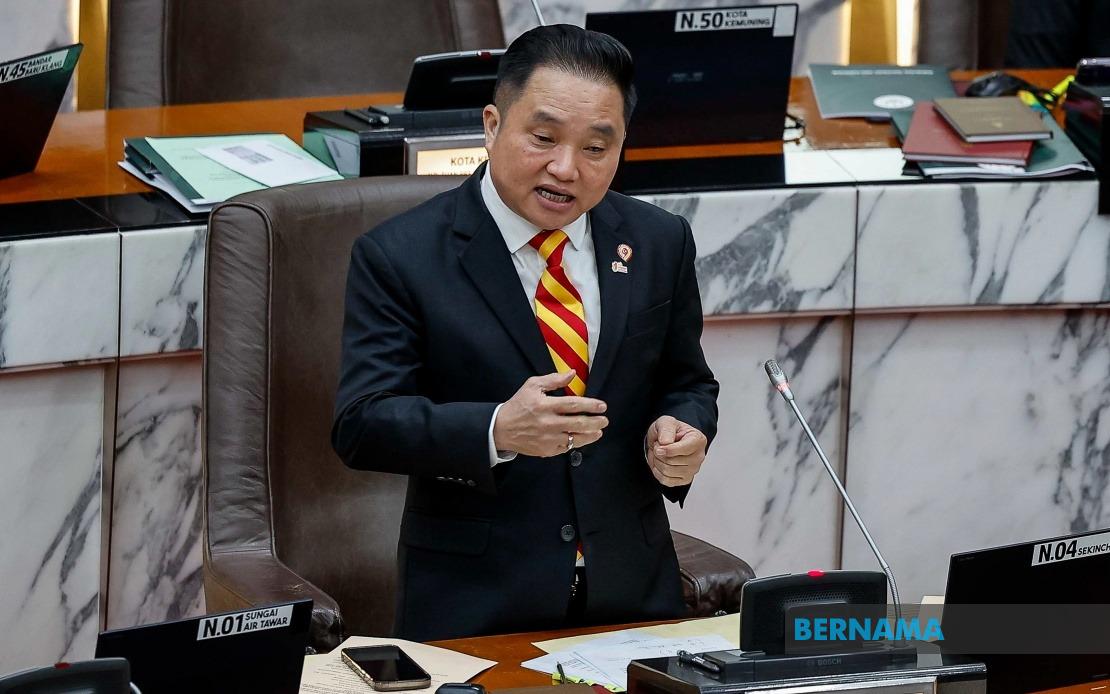
Selangor's state government is moving forward with an ambitious digital consolidation project designed to merge the services and complaint mechanisms of all 12 local authorities into a single integrated platform, commonly referred to as a 'super app'. The initiative was announced by Datuk Ng Suee Lim, chairman of the State Local Government and Tourism Committee, during the state assembly sitting on August 10, signalling a substantive shift towards modernising municipal service delivery across the region.
The motivation behind this technological convergence stems from widespread public dissatisfaction with the current fragmented digital ecosystem. Citizens attempting to engage with municipal services across Selangor have become increasingly frustrated by the proliferation of separate applications, each operated independently by different local authorities. This sprawl has created genuine confusion about which platform to use for specific transactions, a problem that has been highlighted by residents and acknowledged by state officials as a legitimate barrier to efficient service access.
At its core, the super app initiative aims to fundamentally simplify how residents interact with municipal government by consolidating diverse service offerings under one digital roof. Rather than requiring citizens to download and navigate a dozen separate applications with different interfaces and procedures, the unified platform would enable them to access permit applications, utility payments, complaint lodging, and administrative requests through a single, standardised entry point. This consolidation represents more than mere convenience; it addresses a genuine gap in Malaysia's digital governance infrastructure where smaller municipalities lag significantly behind federal agencies in technological sophistication.
The project carries particular significance for Selangor given the state's rapid urbanisation and the corresponding growth in demands on local authority services. With a population exceeding 6 million, the state's 12 PBTs manage everything from waste collection to business licensing, making service efficiency a tangible concern for residents and businesses alike. A unified platform could substantially reduce processing times and administrative friction, potentially improving the competitiveness of the region's business environment and enhancing quality of life metrics.
Datuk Ng's statement underscores the government's awareness that technological solutions must be implemented thoughtfully rather than as top-down mandates. His acknowledgement of feedback regarding application overload demonstrates responsiveness to genuine user pain points. The commitment to continuous improvement suggests that the super app will be treated as an evolving system rather than a one-time technological deployment, which reflects a more mature approach to digital governance where systems are refined based on user experience data.
Data security has been positioned as a foundational concern in the super app's development and operational framework. The state government has pledged to prioritise encryption, data confidentiality protocols, and protection mechanisms against misuse or unauthorised disclosure of personal information. This emphasis is crucial given widespread anxieties about digital privacy in Malaysia and the region more broadly. Regular monitoring procedures will be established to audit the platform's security posture continuously, and strict vendor selection criteria will ensure that only technology providers with demonstrable track records and proven capabilities are engaged.
The vetting process for vendors represents a critical juncture in the project's success trajectory. By insisting on rigorous evaluation of potential contractors before awarding development and operational contracts, Selangor authorities seek to avoid the pitfalls that have plagued some digital government initiatives in the region, where cost-cutting and inadequate specifications have resulted in poorly functioning systems. Ensuring vendor competence upfront may add cost and time to the initial procurement process but should significantly reduce the likelihood of expensive failures or security breaches downstream.
Crucially, the state government has committed to maintaining physical counter services at local authority offices despite the digital platform's implementation. This decision reflects recognition that Malaysia's digital divide remains substantial, with senior citizens, rural populations, and others lacking reliable internet access or technological proficiency unable to benefit from online-only systems. By preserving in-person service channels, Selangor ensures that the super app initiative enhances rather than restricts access to municipal services. This inclusive approach is increasingly recognised as essential for legitimate digital government transformation.
The super app initiative also addresses a structural fragmentation that extends beyond user inconvenience to create operational inefficiencies within municipal administrations themselves. Twelve separate systems mean duplicate data infrastructure, inconsistent procedures, and limited opportunities for coordinated planning or resource-sharing across authorities. A unified platform would facilitate better data analytics, enable cross-authority coordination on issues like waste management or traffic that transcend individual jurisdictions, and reduce IT maintenance costs through economies of scale.
For Malaysian states observing Selangor's effort, the project offers both a potential model and cautionary lessons. The successful implementation of a multi-authority super app would demonstrate that technological consolidation is achievable within Malaysia's federal-local governance framework. Conversely, any implementation challenges could provide valuable insights about sequencing, vendor management, or user training requirements that other states might avoid. The initiative therefore carries implications extending well beyond Selangor's boundaries.
The timing of this announcement reflects broader trends in Southeast Asian governance where digital platforms increasingly serve as critical infrastructure for state legitimacy and service quality. As residents become more accustomed to seamless digital experiences from private sector providers, expectations for government service delivery are rising commensurately. Selangor's super app addresses this expectation gap directly, positioning the state as willing to invest in technological modernisation that genuinely improves citizen experience rather than merely automating existing inefficient processes.
Looking forward, the project's success will depend on factors beyond technological competence, including sustained political commitment across local authority leadership transitions, adequate budget allocation for security and maintenance, and genuine engagement with diverse user communities during design and testing phases. The state government's public commitment to data security, vendor vetting, and service inclusivity suggests awareness of these dependencies, though execution will ultimately determine whether the super app becomes a model for effective digital governance or a cautionary tale about unrealistic ambitions.

