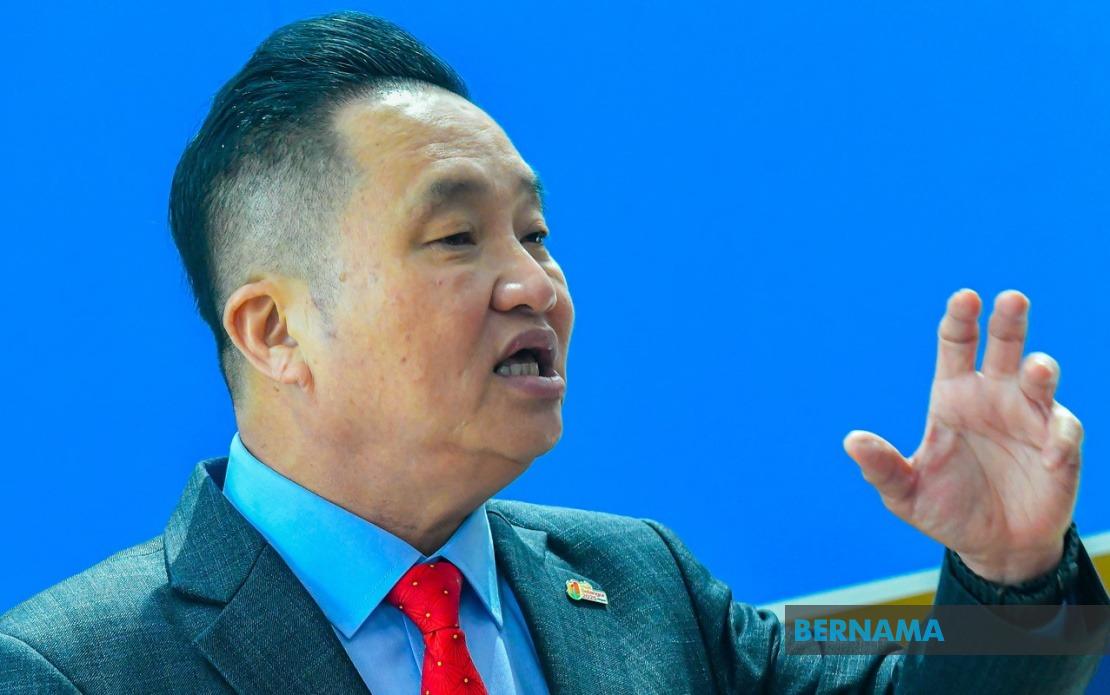
Selangor has moved to incentivize residential sustainability by implementing its Assessment Tax Reduction Guidelines for Eco-Friendly Homes, effective from July 1. The framework represents a cornerstone initiative within the state government's Selangor Resilience Strengthening Package Phase 2, designed to accelerate the adoption of renewable energy and conservation practices across Malaysia's most populous selangor.
According to Ng Suee Lim, chairman of the State Tourism and Local Government Committee, homeowners who embrace green technologies beginning January 1, 2026, may qualify for reductions in their property assessment taxes. The eligible improvements span a comprehensive range of environmental interventions, from rooftop solar installations and energy-efficient household appliances to rainwater harvesting infrastructure. This multi-faceted approach reflects growing recognition that household-level sustainability requires diverse technological solutions rather than single-focus interventions.
The initiative extends beyond renewable energy generation to encompass lifestyle choices aligned with environmental stewardship. Electric vehicle ownership enters the framework as a qualifying factor, acknowledging the transport sector's substantial contribution to carbon emissions and air pollution across urban Malaysia. Simultaneously, the programme recognises behavioural dimensions of sustainability by rewarding recycling participation and documented domestic waste reduction efforts. This combination of technological adoption and voluntary conservation practices creates a holistic incentive structure.
Selangor Menteri Besar Datuk Seri Amirudin Shari had previously announced that residents implementing green technology upgrades during 2025 would receive a full 100 per cent assessment tax rebate, establishing a one-year window of maximum financial encouragement. The subsequent transition to conditional reductions from July onwards maintains momentum while allowing authorities to establish evaluation mechanisms for verifying compliance and measuring genuine environmental impact. This phased approach balances immediate stimulus with long-term programme sustainability.
The timing of the initiative carries particular significance for Malaysia's property sector and household economics. As electricity tariffs face upward pressure and climate impacts intensify across Southeast Asia, renewable energy investments offer tangible household savings alongside environmental benefits. Solar panel installations have become increasingly cost-competitive in Malaysia, yet adoption remains concentrated among higher-income households with capital for upfront investments. Assessment tax incentives address this barrier by improving financial returns on green technology purchases, potentially democratising access to renewable energy across income segments.
The programme reflects broader shifts in Malaysian state-level governance toward climate-responsive policy. While federal frameworks establish broad sustainability objectives, Selangor's localized approach demonstrates how state governments can deploy fiscal instruments to drive behavioural change. Property taxation represents a direct touchpoint between residents and government, making assessment tax policy an effective channel for environmental incentives. Neighbouring states may observe Selangor's implementation to calibrate their own sustainability initiatives, potentially creating competitive pressure for green policy innovation across Malaysian federalism.
Implementation complexities loom as the framework takes operational form. Ng acknowledged ongoing deliberation regarding optimal methods for managing green technology waste streams, particularly spent solar panels and end-of-life electric vehicles. Both represent nascent waste management challenges across Malaysia, with insufficient existing infrastructure for responsible recycling or secure disposal. The state government's commitment to exploring sustainable waste solutions signals awareness that incentivizing technology adoption without parallel management of waste creates perverse outcomes—transferring environmental burdens rather than reducing them.
The assessment tax reduction framework arrives as Malaysian households face compounding economic pressures. Energy costs consume increasing household budgets, particularly in urbanized Selangor where air-conditioning demands remain substantial throughout the year. Solar energy adoption directly reduces monthly electricity bills, creating immediate financial relief that compounds over system lifespans typically exceeding 25 years. The tax incentive accelerates payback periods, improving investment attractiveness for middle-income households currently calculating whether renewable energy retrofits align with household financial capacity.
Electric vehicle inclusion within the programme signals state-level engagement with transport decarbonization, an area where federal policy has remained cautiously incremental. Malaysia's automotive sector faces mounting pressure from regional competitors and global manufacturers pivoting toward electrification. By deploying assessment tax incentives for EV ownership, Selangor government creates localized demand stimulus that may encourage dealer network expansion and charging infrastructure development. However, the interaction between state-level incentives and federal vehicle taxation policies remains uncoordinated, potentially limiting programme effectiveness.
For property investors and developers, the guidelines create new market dynamics. Green-certified homes may command pricing premiums reflecting both genuine sustainability credentials and quantifiable assessment tax savings. Developers incorporating solar readiness, water harvesting infrastructure, and EV charging capacity into new residential projects position offerings competitively within the Selangor market. However, retrofitting existing housing stock—where most Selangor residents currently reside—presents steeper technical and financial challenges than integrating green features into new construction.
The programme's success depends substantially on transparent communication and accessible application processes. Assessment tax administration traditionally ranks among least celebrated government functions, yet programme viability hinges on residents understanding eligibility criteria, application procedures, and anticipated tax savings. The state government must ensure local councils possess sufficient training and resources to evaluate compliance documentation and calculate appropriate reductions, preventing bureaucratic delays that undermine incentive credibility.
The broader context of Malaysia's climate commitments adds urgency to Selangor's initiative. The country committed to achieving net-zero carbon emissions by 2050, a target requiring dramatic transformation across energy, transport, and land-use sectors. Residential consumption and household transport constitute meaningful components of this challenge, making bottom-up adoption of green technologies essential to meeting national objectives. Selangor's programme demonstrates how state governments can translate federal climate commitments into concrete fiscal incentives that alter household decision-making and investment patterns at scale.