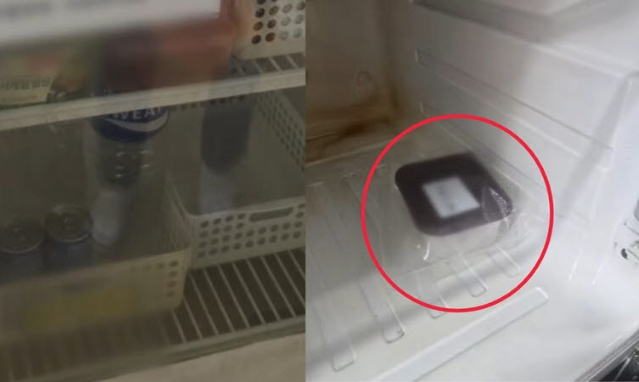
South Korean health authorities have launched a formal investigation into a Seoul nursing facility following the discovery of a patient's severed toe kept inside the kitchen refrigerator alongside beverages and food condiments. The disturbing finding came to light on August 19 when the patient's family visited the facility and opened the refrigerator, discovering the digit preserved in a disposable porridge container where it had remained for roughly two weeks.
The toe belonged to a man in his 60s who suffers from an intellectual disability and has resided at the hospital for a decade. According to the family's account, they were notified in March that the digit had become detached, and hospital staff attributed the incident to a fall that occurred while the patient was being transferred in a wheelchair for bathing purposes. The staff indicated that the patient's foot had been vulnerable to such trauma because the tissue was already affected by necrosis, a condition involving the death of living cells.
What has raised particular alarm among investigators and patient advocates is that the hospital's own medical records documented a diagnosis of foot ulcer dating back to December, yet the patient's family was never informed of this serious pre-existing condition. This information gap suggests potential lapses in communication protocols between medical staff and family members responsible for the patient's welfare. The failure to disclose such critical health information undermines the trust families place in healthcare institutions to act transparently regarding their loved ones' conditions.
The storage of human tissue alongside food items represents a flagrant violation of multiple regulatory frameworks in South Korea. The nation's Waste Control Act explicitly mandates that medical waste must be segregated and stored in designated containers designed for biohazard materials. Placing human tissue in the same refrigerator as food and drinks simultaneously breaches food sanitation regulations, creating potential contamination risks that extend beyond this specific case. These violations raise systemic questions about whether the facility maintains adequate compliance with established health and safety standards.
When confronted with the breach, hospital administrators defended their actions by claiming they lacked appropriate containers for storing biological material and that the emergency nature of the situation prompted a nurse to place the toe in the kitchen refrigerator as a temporary measure. This explanation fails to address why no corrective action was taken during the two-week period between the initial incident and discovery by family members. The rationale suggests either a profound misunderstanding of regulatory requirements or a deliberate disregard for established protocols in favour of convenience.
The incident exposes significant vulnerabilities in oversight mechanisms for nursing homes and long-term care facilities in South Korea, where vulnerable populations including elderly patients and those with intellectual disabilities reside for extended periods. Patients in such environments are inherently dependent on institutional staff to protect their dignity, safety, and wellbeing. When basic protocols are compromised, as occurred here, the entire system of accountability and trust collapses, leaving families with legitimate concerns about standards of care across similar facilities nationwide.
For Malaysian and broader Southeast Asian healthcare systems, this case serves as a cautionary example of how procedural failures can cascade through an organization. Nursing homes and long-term care facilities across the region operate under varying regulatory frameworks, and some may lack comprehensive guidelines governing medical waste management and staff training. The incident underscores the necessity for all healthcare facilities, regardless of size or specialization, to maintain rigorous documentation systems, clear communication channels with families, and strict adherence to waste management protocols.
The discovery also highlights the critical role that family visitation and oversight play in maintaining accountability within care facilities. Had the patient's family not visited and accessed the kitchen area, the improper storage might have continued indefinitely. This reality suggests that healthcare institutions should proactively encourage family involvement and create transparent systems where relatives can raise concerns without fear of retaliation or dismissal.
Following public disclosure of the incident through KBS media reporting, South Korea's Health Ministry announced it would direct local government authorities to conduct a comprehensive administrative investigation into the facility. This escalation signals that regulatory bodies recognize the severity of the violations and the potential systemic implications. The investigation will likely examine not only the specific incident but broader patterns of practice at the facility, including staff training programmes, waste management procedures, patient care protocols, and communication standards.
The case also raises questions about adequate resourcing and staffing levels in nursing facilities. When staff lack proper equipment and training to handle medical emergencies appropriately, they may resort to improvised solutions that violate regulations and compromise patient dignity. Healthcare policymakers across the region should consider whether current funding models for nursing homes adequately support compliance with safety standards.
Moving forward, this incident will likely influence regulatory discussions regarding mandatory training requirements for long-term care facility staff, periodic audits of waste management practices, and clearer protocols for family notification regarding significant medical events. South Korean authorities will be under pressure to demonstrate that such breaches are taken seriously and that systemic reforms will prevent recurrence, particularly given the vulnerability of the patient population served by these facilities.

