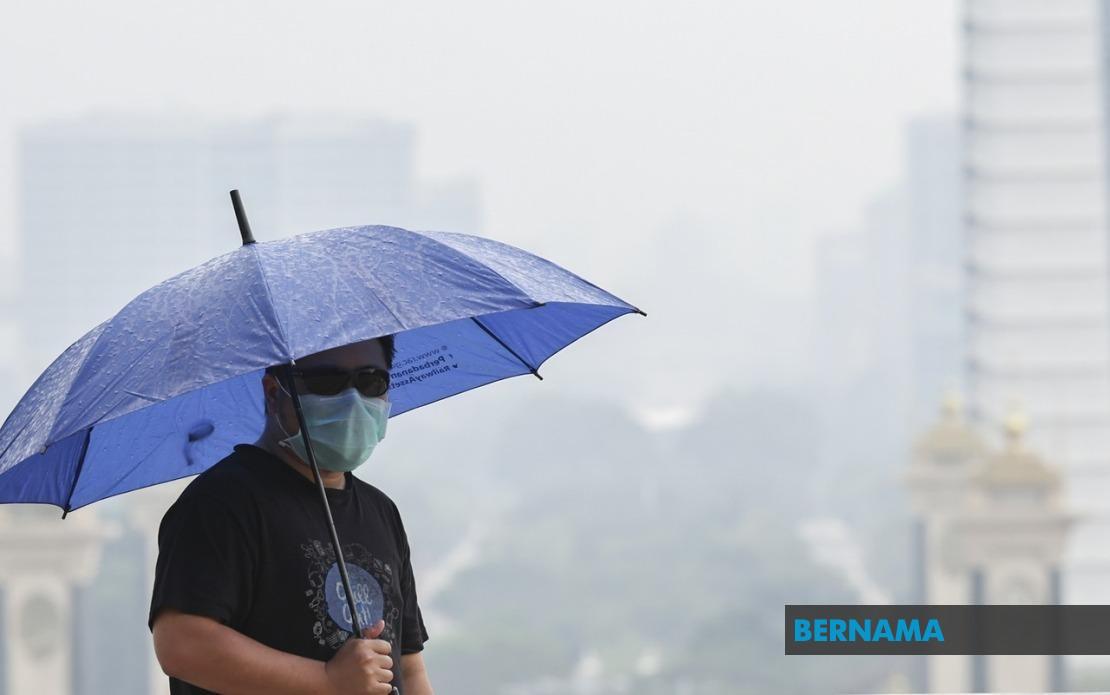
Air quality in the Sarawak district of Serian deteriorated sharply on July 27, with readings climbing to 153 on the Air Pollutant Index—a level classified as unhealthy by Malaysian standards. The measurement, recorded at 5 pm and logged on the Malaysian Air Pollutant Index Management System (APIMS) portal, signals an escalating problem that has begun affecting multiple population centres across the state.
The Natural Resources and Environment Board (NREB) Sarawak documented a concerning upward trajectory in atmospheric conditions since mid-July, with the past fortnight marked by progressively worsening air quality metrics. Beyond Serian's unhealthy reading, eleven other districts have slipped into the moderate range, recording API values between 51 and 100. These include major urban centres such as Kuching, the state capital, alongside Samarahan, Sri Aman, Sarikei, Sibu, Mukah, Bintulu, Samalaju, Lundu, Tebedu and Lubok Antu—a geographic spread indicating systemic rather than localized pollution challenges.
The underlying meteorological cause stems from the Southwest Monsoon, which commenced on May 14 and is forecast to persist until September. This seasonal wind pattern has established persistent southwesterly currents sweeping across Sarawak and the broader region. Critically, such wind patterns create atmospheric corridors through which pollution originating beyond state boundaries can drift into Sarawak, a phenomenon known as transboundary haze. NREB explicitly cautioned that this mechanism poses material risk to air quality, particularly if biomass burning—whether from agricultural clearing, peatland degradation, or industrial activity—intensifies in neighbouring areas.
For Malaysian readers accustomed to periodic haze episodes affecting the peninsula, the Sarawak situation echoes familiar challenges from cross-border pollution. The 1997-1998 Southeast Asian haze crisis, triggered by massive forest fires in Indonesia, demonstrated how quickly regional air contamination can escalate into a public health emergency. While current readings do not yet approach those catastrophic levels, the trajectory and seasonal timing warrant serious attention. The remainder of monsoon season—still three months distant—presents a window during which conditions could deteriorate further if agricultural burning in Indonesia or other neighbouring regions intensifies.
In response, NREB has mobilized its operational infrastructure for an extended containment effort. The agency has activated its dedicated haze operations room, positioning staff and resources for coordinated monitoring and rapid response. Field patrols have been intensified across Sarawak to detect and suppress any localized sources of pollution. More stringently, NREB revoked all existing permits authorizing controlled burning and suspended approval of new burning applications—measures designed to eliminate state-based sources of air contamination during this vulnerable period. Development project managers and landowners have received explicit prohibition notices barring open burning.
These administrative measures reflect recognition that Sarawak cannot unilaterally prevent transboundary pollution, but can minimize contribution from domestic sources. The strategy assumes that if external haze worsens, internally generated pollution will at least not compound the problem. This approach aligns with regional air quality governance frameworks increasingly adopted across Southeast Asia, wherein nations acknowledge mutual vulnerability and coordinate emissions controls during high-risk seasons.
Public health authorities have issued guidance reflecting the moderate-to-unhealthy air quality conditions now establishing themselves across multiple districts. Citizens, particularly vulnerable populations including children, elderly persons, and those with respiratory or cardiovascular conditions, are advised to curtail outdoor exposure. The standard recommendations—increased water consumption to support respiratory tract hydration, adoption of protective face masks when venturing outside, and reduction of strenuous outdoor activities—become operationally important as API readings sustain above 100. For households and workplaces, indoor air filtration and circulation management assume relevance.
The broader context matters for Malaysian observers. Sarawak's experience underscores how climate patterns and cross-border environmental dynamics directly shape public health and quality of life in ways national borders cannot contain. The Southwest Monsoon represents a natural climatic feature; the pollution it carries represents human activity upstream. For a state reliant on natural resource industries, tourism, and quality-of-life advantages to attract investment and talent, sustained air quality degradation carries economic implications extending beyond immediate health effects.
Looking ahead, the trajectory through August and September will prove critical. If biomass burning in proximate regions—particularly in Indonesian Borneo—remains controlled through normal seasonal variation, Sarawak may avoid severe haze. Conversely, should drought conditions intensify or burning accelerate, the moderate readings currently affecting most districts could transition to unhealthy levels more broadly, as occurred in July 27 in Serian. NREB's preemptive stance reflects appropriate caution given this uncertainty.
For Malaysian policymakers and regional observers, the Sarawak episode validates the case for sustained investment in air quality monitoring infrastructure, cross-border environmental diplomacy, and coordinated seasonal emission controls. The APIMS portal and NREB's operational capacity enable early warning and public communication; similar regional coordination mechanisms remain underdeveloped. As climate variability potentially intensifies drought-fire cycles, such institutional capacity becomes strategically significant for environmental security across Southeast Asia.

