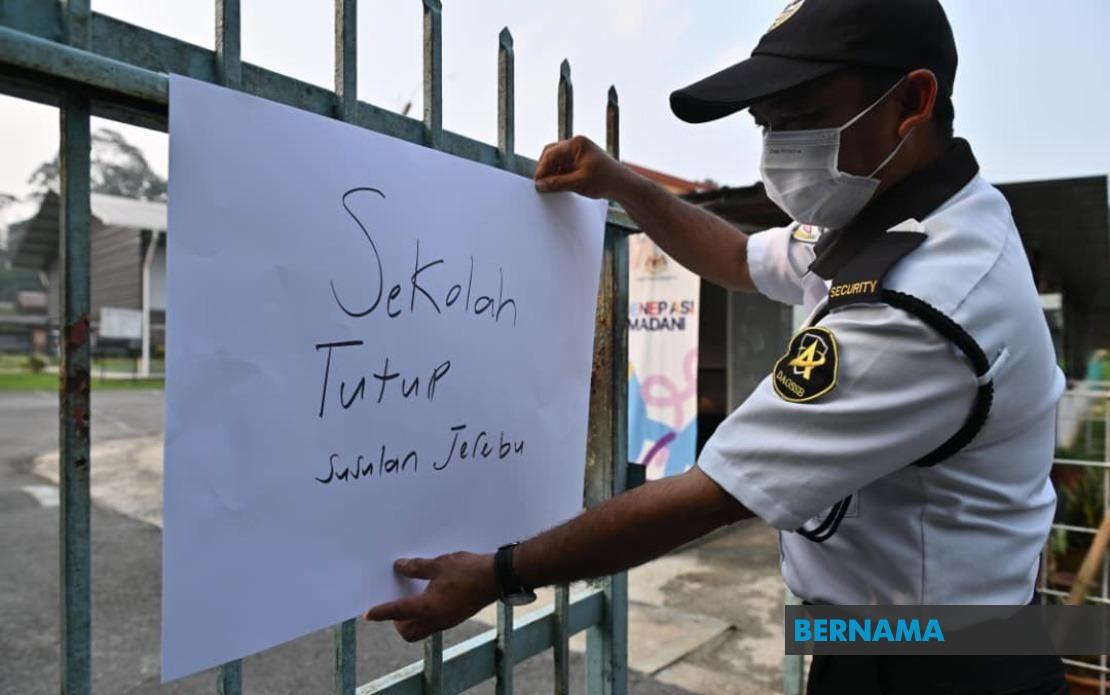
The Sarawak State Education Department has extended the temporary suspension of classes in Serian schools through Friday as air quality deterioration from regional haze persists in the district. Officials made the determination after engaging with school administrators from both primary and secondary institutions under the oversight of the Serian District Education Office, reflecting growing concerns about atmospheric conditions in the area.
The rationale for maintaining the closure revolves around protecting multiple stakeholders from potential health risks and operational strain. School leadership, teaching staff, parents, and residential students all stand to benefit from the extended pause, allowing communities to avoid unnecessary exposure while reducing logistical pressures on administrative personnel managing disrupted schedules and remote learning arrangements. The education department emphasised that this measured approach prevents cascading complications across the education system during an environmental crisis.
Transboundary haze remains a recurring challenge for Sarawak and neighbouring regions during certain seasonal periods, typically stemming from agricultural burning and forest clearance activities in Indonesia. The Serian district, situated in the western part of the state, frequently experiences degraded air quality when prevailing winds carry smoke across international borders. This year's episode underscores the persistent vulnerability of Malaysian education infrastructure to regional environmental events beyond domestic control.
Monitoring air quality has become essential protocol for schools throughout Sarawak. Institutional leaders now routinely consult the Air Pollution Index Management System, which provides real-time assessments of air quality across different localities. By cross-referencing their specific district's API readings, school administrators can make informed decisions about operational continuity without awaiting centralised directives, distributing both responsibility and responsiveness throughout the education sector.
As of Thursday afternoon, Serian's Air Pollution Index stood at 178, firmly positioning the district within the unhealthy classification. This measurement reflects concentrations of particulate matter and airborne pollutants that health authorities consider problematic for vulnerable populations, including children whose developing respiratory systems remain more susceptible to damage from prolonged exposure. Readings in this range typically prompt cautionary measures such as closure recommendations, activity restrictions, and public health advisories.
The state education department has committed to maintaining transparent communication regarding any future adjustments to the suspension order. Officials indicated that circumstances will be monitored continuously, with stakeholders receiving prompt notification of policy changes as atmospheric conditions either stabilise or deteriorate further. This commitment to regular updates provides parents and educators with planning certainty and reduces uncertainty surrounding calendar disruptions.
For Malaysian education systems generally, transboundary haze episodes illuminate systemic vulnerabilities in how institutions respond to environmental emergencies. Unlike weather-related disruptions that occur within national borders and benefit from established protocols, haze events involve transnational dynamics that complicate preventive responses. Schools across peninsular Malaysia and Malaysian Borneo have increasingly adopted similar air quality monitoring frameworks, creating a more uniform approach to environmental health risks affecting teaching and learning continuity.
The economic and social implications of extended school closures ripple through communities beyond classrooms. Working parents face childcare complications during unexpected suspensions, particularly those without flexible employment arrangements. Students in boarding facilities experience disrupted routines and extended confinement to institutional grounds when outdoor activities become inadvisable. Academic calendars require adjustment to compensate for lost instructional time, potentially compressing holiday periods or extending completion dates.
Regionally, Sarawak's experience reflects broader Southeast Asian challenges with transboundary pollution. Indonesia, Thailand, and other neighbouring nations have witnessed similar episodes triggering public health responses. The issue transcends individual countries' environmental policies, requiring coordinated diplomatic and technical responses that remain difficult to implement consistently. Malaysia's education sector thus operates within an environmental context shaped by regional dynamics and international cooperation levels that remain variable.
Looking ahead, these recurring episodes suggest that Malaysian schools must develop more sophisticated adaptation strategies. Some institutions have invested in air filtration systems, upgraded air quality monitoring capabilities, and established protocols for transitioning to remote learning during haze events. However, equity concerns arise when improved preparedness remains concentrated among better-resourced schools, potentially widening educational gaps during environmental crises affecting all socioeconomic groups equally.
The Serian situation illustrates how environmental factors increasingly interrupt normal institutional operations across Southeast Asia. Rather than treating haze-related closures as exceptional circumstances, education authorities may need to incorporate them into long-term planning frameworks. Flexible academic scheduling, enhanced digital learning infrastructure, and regular staff training on emergency protocols represent prudent investments for systems serving regions vulnerable to seasonal air quality degradation.

