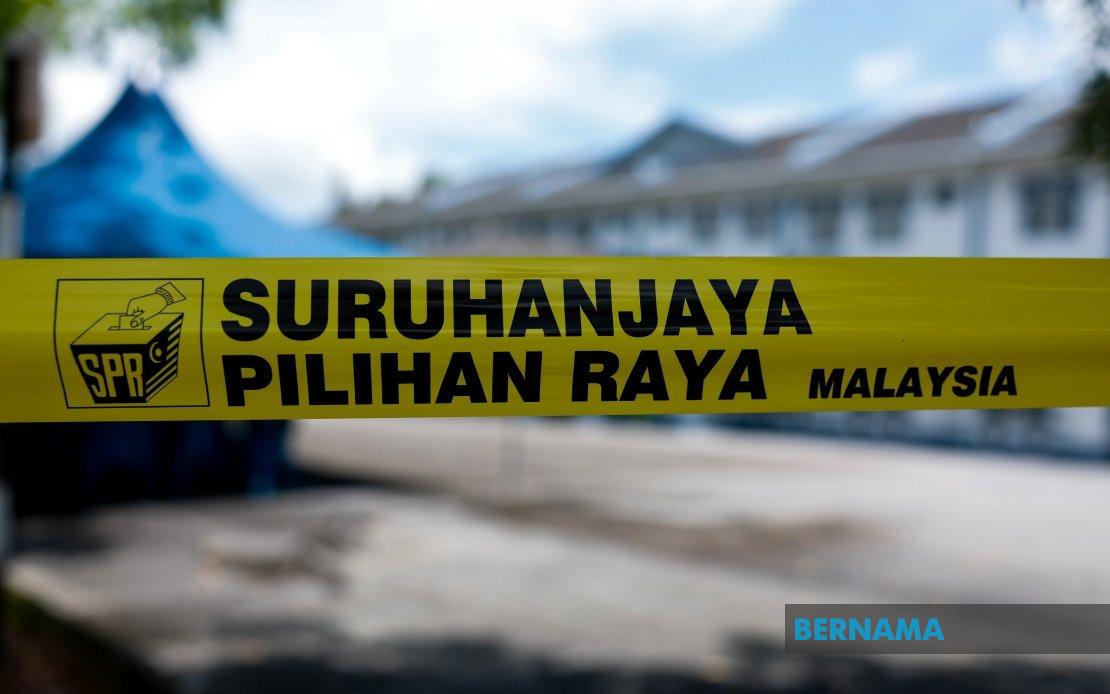
Law enforcement authorities in Negeri Sembilan have launched investigations into seven separate cases involving election-related offences as the campaign period for the 16th state election intensifies. The disclosure comes as polling activities gain momentum ahead of early voting on July 28 and the main polling day on August 1.
Negeri Sembilan Police Chief Datuk Alzafny Ahmad outlined the enforcement landscape during the campaign, emphasizing that two of the investigation papers opened most recently involved offences under Section 427 of the Penal Code, which covers acts of mischief that result in damage to or loss of property. These particular cases highlight the physical dimensions of electoral misconduct beyond the more commonly discussed financial or procedural violations.
The police contingent received a total of 12 reports concerning election-related breaches between July 18 and July 22, according to Alzafny's statement. This accumulation of complaints within a five-day window suggests growing tensions as candidates and their supporters campaign more aggressively across constituencies. The nature and distribution of these offences paint a picture of the enforcement challenges confronting authorities during high-stakes state elections.
The approval framework for campaign activities has proceeded smoothly, with police granting 53 additional permits for political ceramahs and related gatherings on a single day, bringing the cumulative total of approved permits to 226 since campaign commencement. This substantial number of sanctioned events demonstrates the scale of electoral mobilization occurring across the state. The permit system represents a critical regulatory mechanism through which authorities balance political freedoms with public order considerations.
Police emphasized their commitment to systematic oversight of all political programmes and activities, asserting that monitoring mechanisms are calibrated to ensure compliance with applicable legislation while safeguarding public safety and maintaining social harmony. This dual mandate—facilitating democratic participation while preventing disorder—represents a delicate equilibrium that election officials must maintain throughout the campaign period.
For Malaysian and Southeast Asian observers, the Negeri Sembilan election provides insight into how federal police forces manage electoral integrity during state-level contests. The relatively modest number of offence investigations and the high volume of approved permits suggests that despite periodic tensions, enforcement and event approval systems are functioning within anticipated parameters. However, the persistent nature of election-related complaints indicates that sustained vigilance remains necessary.
The significance of this election extends beyond Negeri Sembilan's borders, as the management of state elections influences perceptions of electoral administration throughout Malaysia. Successful conduct of campaigns with minimal incidents strengthens public confidence in institutional mechanisms, while episodes of disorder or widespread violations erode trust in democratic processes. Police forces across Southeast Asia often study how their counterparts manage election-period policing, making the operational approaches adopted in Negeri Sembilan potentially instructive for regional law enforcement agencies.
Authorities announced their intention to maintain heightened preparedness and enforcement throughout the campaign duration, warning that legal violations would face stringent consequences. This forward-looking stance signals that the seven cases already initiated do not represent the limit of police capacity or willingness to investigate further breaches. The implicit message to candidates, supporters, and the general electorate is that compliance expectations remain uniform and enforceable.
The police call for public cooperation reflects recognition that electoral integrity ultimately depends on voluntary adherence to norms and rules, not merely on enforcement capacity. By appealing to voters and participants to respect democratic processes while complying with legal frameworks, authorities acknowledge that sustainable election management requires the consent and participation of diverse stakeholders. This cooperative approach suggests confidence in Negeri Sembilan's political culture and in the maturity of electoral participation among residents.
The 16th Negeri Sembilan state election represents an important democratic exercise whose conduct will influence political dynamics in the state and potentially ripple into broader national discussions about electoral management. The balance struck thus far between permitting robust campaign activity and investigating misconduct offers early indication that administrators are calibrating enforcement appropriately. As the election moves toward its final phases, sustained attention to this equilibrium will determine whether Negeri Sembilan achieves its stated objective of conducting a peaceful, harmonious, and orderly electoral process that respects democratic principles while maintaining public order.

