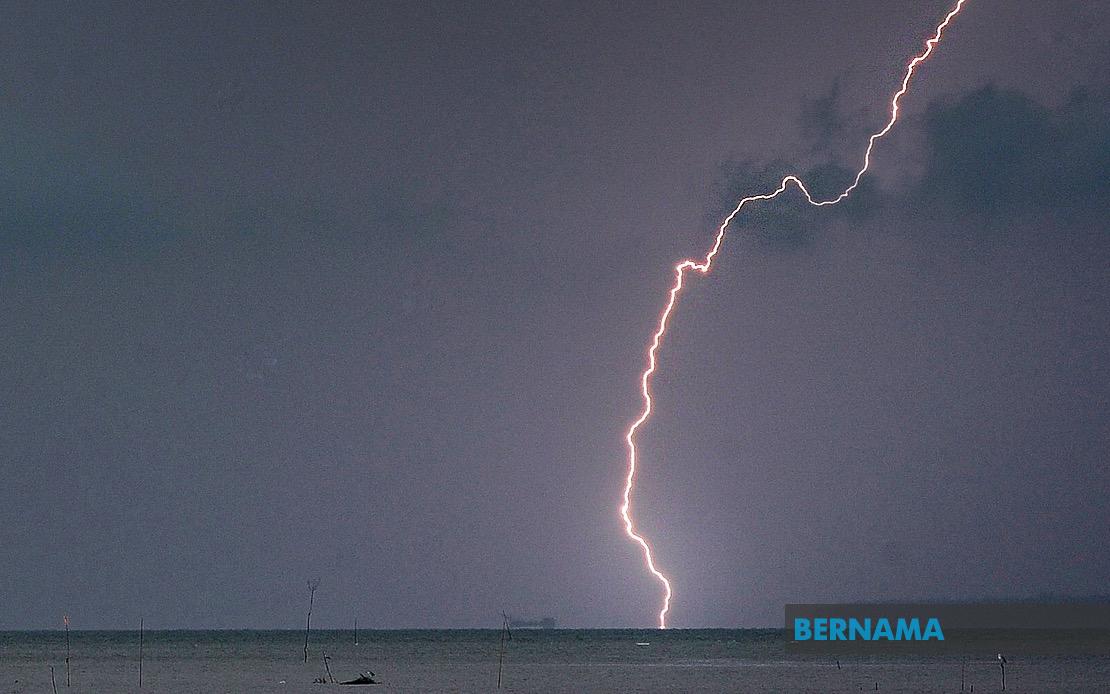
The Malaysian Meteorological Department (MetMalaysia) has alerted the public to expect thunderstorms, heavy rain and strong winds across significant portions of the country until 5 pm today, with a total of seven states and the federal territory of Labuan falling under the weather warning. The alert underscores the unpredictable nature of Malaysia's monsoon season, which brings periodic bouts of severe weather to different regions and requires residents to remain vigilant about safety precautions.
In Kedah, the district of Baling faces the brunt of adverse conditions. Perak, which encompasses a substantial geographic area spanning the peninsula's west coast and interior regions, sees multiple districts affected, including Manjung, Kinta, Perak Tengah, Kampar, Bagan Datuk, Hilir Perak, Batang Padang and Muallim. The diversity of affected areas in Perak—ranging from coastal zones to inland agricultural regions—reflects how the weather system sweeping across the peninsula has broad geographical reach.
Terengganu's east coast exposure places it squarely in the path of the inclement weather. The affected districts there are Setiu, Kuala Nerus, Hulu Terengganu, Kuala Terengganu, Marang, Dungun and Kemaman, covering both the state's tourist destinations and fishing communities. Similar weather patterns extend into Pahang, where the highland area of Tanah Tinggi Cameron alongside lowland districts such as Lipis, Jerantut and Kuantan are all under alert. This variation reflects how thunderstorms associated with monsoon troughs can affect areas at vastly different elevations and topographies.
Selangor, the country's most densely populated state and economic heartland, also faces disruption. The warning covers Sabak Bernam, Kuala Selangor, Hulu Selangor and Gombak, districts that include commuter belts serving the Klang Valley. Residents in these areas, particularly those in low-lying and flood-prone neighbourhoods, should exercise caution as heavy rainfall can quickly trigger localised flash flooding. The inclusion of these districts near the capital demonstrates how weather systems do not respect economic or administrative importance, affecting both urban and rural communities indiscriminately.
In the southern peninsula, Johor experiences the warning across a broad swath of its territory. The affected districts—Kluang, Mersing, Pontian, Kulai, Kota Tinggi and Johor Bahru—span from the state's east coast tourist areas to its interior agricultural zones and major urban centres. Johor Bahru, the state capital and one of Malaysia's largest cities, being included in the alert suggests the system's intensity and geographical extent warrant serious attention from both residents and authorities managing critical infrastructure.
East Malaysia is not spared from the adverse conditions. In Sabah, MetMalaysia warns of thunderstorms affecting the Interior districts of Kuala Penyu, Beaufort and Tambunan, along with the West Coast region and specific areas in Sandakan (Beluran) and Kudat in the north. Sabah's geography, characterised by mountainous terrain and coastal regions, means that heavy rainfall poses distinct hazards including landslides in interior areas and storm surge risks along exposed coastlines.
The timing of this warning—extending until 5 pm—suggests a weather system that meteorologists expect to persist through the afternoon hours. For residents across affected areas, this means maintaining awareness throughout the day, avoiding unnecessary travel, and staying updated with real-time weather information. Schools, workplaces and transport authorities in these districts may need to implement contingency measures to ensure public safety. Flash flooding remains a particular concern in low-lying areas and near waterways, where rapid water accumulation can occur within minutes of the heaviest rainfall.
MetMalaysia's issuance of such alerts represents part of the country's early warning system designed to minimise weather-related casualties and economic losses. The specificity of the warning—listing individual districts across multiple states—allows residents and administrators to apply resources more effectively to preparedness efforts. Residents in affected areas are typically advised to avoid outdoor activities, remain indoors when possible, and monitor official channels for updates.
The broad geographic distribution of this alert—stretching from Kedah in the north through the peninsula's interior and coastal zones to Sabah in the east—reflects the expansive nature of the weather system responsible. Such multi-state warnings are not uncommon during monsoon periods, when atmospheric conditions can create persistent bands of thunderstorms affecting large areas simultaneously. Understanding these patterns helps Malaysians appreciate why weather warnings are issued and why compliance with safety recommendations remains crucial for protecting lives and property.

