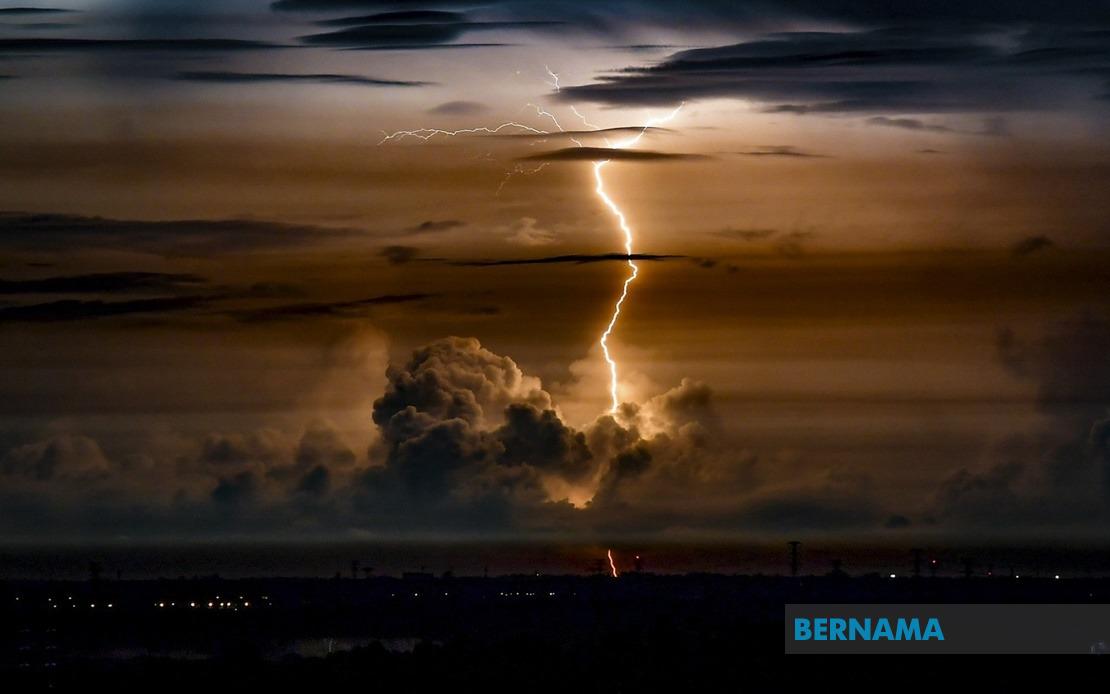
Malaysia's Meteorological Department has activated severe weather warnings across a significant swath of the peninsula, alerting residents in seven states to prepare for threatening conditions including thunderstorms, torrential rainfall, and gusty winds through the evening of August 14. The alert underscores the intensifying monsoon patterns that regularly sweep across the region during this period of the year, bringing with them substantial risks to public safety and infrastructure.
The warning encompasses Perak's western districts of Bagan Datuk, Muallim, Hilir Perak, and Batang Padang, where residents may experience particularly intense convective activity as moisture-laden air masses collide with local topography. The eastern state of Terengganu faces similar exposure, as does Pahang, the peninsula's largest state, which spans both coastal and inland terrain vulnerable to rapid weather deterioration. In the south, Johor's Mersing district, located on the east coast, has been flagged for heightened alert status.
On the western seaboard, the alert extends across much of Selangor's peripheral areas, including Sepang, Klang, Sabak Bernam, Kuala Selangor, and Kuala Langat. These districts, which ring the nation's capital and its surrounding industrial zones, are particularly significant given their dense population concentrations and critical economic infrastructure. Similarly affected are Negeri Sembilan's Rembau and Port Dickson, with the latter serving as a major port facility, while Melaka's districts of Alor Gajah and Melaka Tengah round out the affected areas.
Thunderstorm warnings of this nature typically indicate atmospheric instability capable of producing dangerous conditions within a relatively short timeframe. The combination of thunderstorms and heavy rainfall poses distinct hazards: lightning strikes threaten outdoor activities and open areas, while intense precipitation can rapidly overwhelm drainage systems, particularly in low-lying urban and coastal regions. Strong winds accompanying such systems can uproot trees, damage structures, and disrupt power supplies across affected communities.
For Malaysian residents, such warnings represent a critical interval for preparation and vigilance. Authorities typically recommend that individuals remain indoors during peak storm activity, avoid unnecessary travel on flooded roads, and secure loose outdoor items that might be caught by powerful gusts. Coastal areas and flood-prone districts require particular attention, as rapid runoff from heavy rain can create sudden inundation without adequate warning.
The geographic spread of this alert—stretching from the northern peninsula through its central corridor to the southern regions—suggests a weather system of considerable scale. This pattern is consistent with the intermonsoon transitions and monsoon surges that frequently affect Malaysia, particularly during August when atmospheric conditions over Southeast Asia become especially volatile. Such broad-based warnings, while occasionally criticized for their extent, serve a protective function by ensuring public awareness across potentially vulnerable areas.
Commercial and industrial operations across these seven states should anticipate possible disruptions to transportation networks, port operations, and outdoor construction activities. Businesses dependent on consistent power supply should consider contingency measures, given the typical association between severe thunderstorms and electrical infrastructure damage. Agricultural producers, particularly in Perak and Pahang where plantation and farming operations remain significant economic drivers, should assess exposure of crops and livestock to weather-related hazards.
The evening timeframe specified by MetMalaysia—extending until 9 pm—suggests meteorologists expect the system to maintain its intensity through the peak heating hours of the day before gradually weakening as nocturnal temperature profiles develop. This timing means commuters returning home during late afternoon and early evening should exercise heightened caution, and school dismissals and workplace traffic patterns might warrant adjustment to avoid peak exposure during maximum storm development.
For residents in affected areas, this alert serves as a reminder of the seasonal weather patterns that characterize Malaysia's tropical climate. While such storms are regular occurrences, individual events can occasionally exceed expectations in intensity or duration, underscoring the importance of treating official meteorological warnings with appropriate seriousness. Those in vulnerable structures, flood-prone localities, or areas exposed to lightning hazards should consider seeking safer shelter if conditions deteriorate significantly during the warning period.

