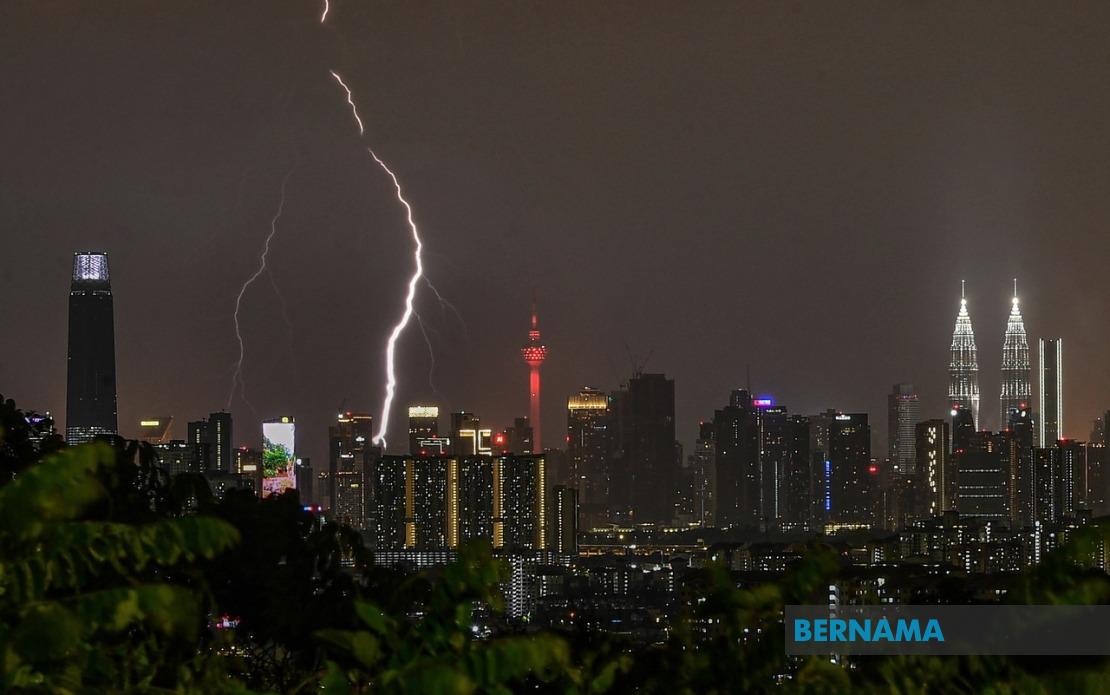
The Malaysian Meteorological Department has activated a severe weather alert affecting the Federal Territory of Kuala Lumpur and large swathes of the peninsular states, with residents bracing for intense thunderstorms and torrential rainfall through the early evening. The warning, issued at 2 pm on July 11, covers the entire territories of Melaka and Penang, alongside numerous districts across five additional states, creating a widespread weather event that could disrupt transportation, commerce, and daily activities across significant population centres.
In the northern region, Kedah faces particular vulnerability, with five specific districts placed under alert status: Kuala Muda, Sik, Baling, Kulim and Bandar Baharu will experience the brunt of the atmospheric disturbance. The warning extends into neighbouring Perak, where authorities have flagged multiple districts spanning the state's diverse geography. The affected areas include Kerian, Larut, Matang and Selama in the northwestern region, whilst inland districts including Hulu Perak, Kuala Kangsar, Kinta, Kampar, Batang Padang and Muallim have also been placed on alert.
The east coast of Peninsular Malaysia is similarly threatened, with Pahang experiencing risk across six administrative districts. Cameron Highlands, the picturesque highland region popular with tourists, faces the same weather hazards as the lowland districts of Lipis, Raub, Bentong, Pekan and Rompin. This widespread coverage across Pahang suggests a substantial weather system capable of affecting both mountainous terrain and coastal plains simultaneously.
The Klang Valley and Greater Kuala Lumpur area, home to the nation's largest concentration of residents and economic activity, falls directly under the warning zone. The affected areas in Selangor include Sabak Bernam and Kuala Selangor along the northern coast, while inland districts such as Hulu Selangor, Klang, Gombak, Petaling and Hulu Langat represent some of Malaysia's most densely populated regions. This geographic spread means millions of commuters, office workers and residents could face significant disruption during the afternoon and early evening period.
Southern Peninsular Malaysia is not spared from the severe conditions, with Negeri Sembilan's Jelebu district and multiple areas of Johor placed under alert. Johor's affected regions span from Tangkak in the northwest to coastal districts including Segamat, Muar, Batu Pahat, Kluang and Mersing, demonstrating how this weather system stretches across considerable distances from northwest to southeast.
The meteorological warning specifically identifies three concerning weather phenomena: intense electrical activity in the form of thunderstorms, heavy precipitation that could lead to flash flooding in vulnerable areas, and strong winds that pose risks to outdoor installations, vehicles and structural elements. The combination of these three factors creates a compound weather emergency that demands immediate preparedness from both government agencies and the public.
For Malaysian readers unfamiliar with such widespread alerts, the geographic scope of this warning is particularly significant. Covering the entire states of Melaka and Penang whilst affecting multiple districts across Kedah, Perak, Pahang, Selangor, Negeri Sembilan and Johor represents an unusually extensive weather event. This scale suggests a substantial atmospheric system moving through the region rather than isolated thunderstorms, indicating the seriousness with which meteorologists regard the situation.
The timing of the warning until 5 pm provides a relatively narrow window for residents and authorities to prepare. Evening rush hour traffic, typically congested on Malaysian highways and urban roads, could face additional complications from reduced visibility, slippery road surfaces and potential accidents caused by sudden wind gusts. Public transport operators, delivery services and commuters should anticipate delays and hazardous conditions.
MetMalaysia's advisory to remain alert and continuously monitor updated forecasts reflects the dynamic nature of thunderstorm systems, which can intensify, relocate or diminish more rapidly than other weather phenomena. The meteorological department's caveat that conditions may change underscores the importance of real-time monitoring rather than relying solely on the initial advisory. Residents in affected areas should maintain awareness through official channels, including MetMalaysia's website and mobile applications, as well as warnings disseminated through local authorities and media outlets.
For businesses operating in the affected regions, particularly those in construction, outdoor events or logistics, the warning necessitates immediate contingency planning. Supply chains, delivery schedules and outdoor operations may require rescheduling or suspension during the warning period. Shopping centres, offices and public spaces should review safety protocols regarding lightning strikes, ensuring electrical systems and protective measures are functioning adequately.
The southeast Asian monsoon pattern, which brings seasonal rainfall variations to Malaysia, periodically generates weather systems of this magnitude. Understanding these patterns helps residents and policymakers alike anticipate such events and implement appropriate preparedness measures. While thunderstorms are commonplace in Malaysia's tropical climate, the simultaneous warning across such geographically dispersed areas warrants serious attention from all stakeholders.

