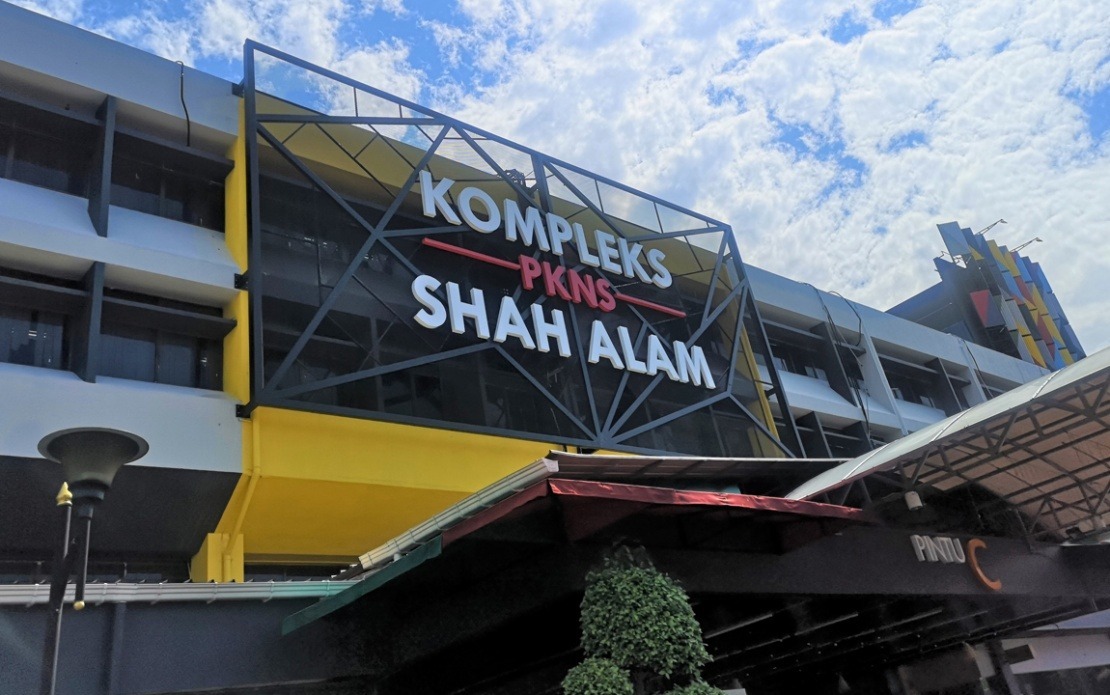
The Selangor State Development Corporation (PKNS) announced on Wednesday that the Shah Alam PKNS Complex had returned to normal business operations following a fire that broke out the previous afternoon. All mandatory safety procedures and inspections had been successfully completed before staff and tenants resumed work, the organization confirmed in an official statement.
Authorities traced the blaze to a malfunction in the Air Cooled Package Unit (ACPU) panel within the Air Handling Unit (AHU) room situated on the building's first floor. The preliminary investigation by the complex's facility management team indicated this location as the most probable point of ignition, though the Selangor Fire and Rescue Department continues its inquiry into the precise technical causes underlying the incident.
In response to the emergency, PKNS activated comprehensive safety protocols designed to protect the thousands of occupants within the building at the time. As a precautionary measure, the facility management team immediately disconnected the electricity supply and shut down the air-conditioning infrastructure affecting the affected zone. This action, though temporarily inconveniencing tenants and visitors, prevented potential escalation and minimized hazard exposure during the critical minutes when fire suppression efforts were underway.
The complex's evacuation procedures functioned as intended, with Phase 1 of the building cleared through the public address system following emergency alert activation. This coordinated response, practiced regularly in such facilities, ensured that occupants moved to safety in an organized manner without panic or confusion. The efficiency demonstrated by management in executing these drills underscores the importance of regular emergency preparedness training across commercial properties in Malaysia.
The Selangor Fire and Rescue Department responded swiftly to the emergency call, bringing the blaze under control before it could breach containment barriers and spread to adjacent sections of the complex. Their rapid intervention proved critical in preventing what could have developed into a more serious incident affecting a larger portion of the building's infrastructure and tenant operations. The department's ability to contain the fire within the AHU room itself reflected both competent firefighting response and the building's internal fire suppression systems operating effectively.
Selangor JBPM Assistant Director of Operations Ashrul Riezal Asbar confirmed on the day of the incident that the fire had been successfully contained and that no casualties had been recorded. This outcome, while fortunate, also demonstrates that the building's design features, including compartmentalization of mechanical systems and emergency protocols, functioned as intended to protect human life throughout the emergency.
For the broader Malaysian business community, the Shah Alam incident serves as a reminder of the critical importance of regular maintenance and inspection of mechanical and electrical systems, particularly air-handling units and cooling equipment that operate continuously in commercial buildings. Such systems, typically located away from public view, can develop faults that pose significant fire risks if not monitored through comprehensive preventive maintenance schedules.
The incident also highlights the essential role of facility management teams in Malaysian commercial properties. The prompt identification of the fire source by PKNS's facility management personnel enabled rapid diagnosis and prevented speculation or delays in addressing the underlying technical failure. Organizations managing large complexes would be wise to invest substantially in skilled technical staff capable of identifying emerging problems before they escalate into emergencies.
For tenants operating within the Shah Alam PKNS Complex, the resumption of operations represents continuity of business after a brief but concerning disruption. The swift restoration of services reflects PKNS's commitment to minimizing economic impact on the hundreds of businesses and organizations housed within the facility. In Malaysia's competitive commercial real estate market, such rapid recovery capability enhances the complex's reputation and demonstrates professional facility management standards.
The investigation by the Selangor Fire and Rescue Department into the fire's precise technical cause remains ongoing and will likely yield valuable insights into preventing similar incidents. Once findings are released, facility managers across Malaysia's industrial and commercial sector will benefit from understanding what specific factors led to the ACPU panel malfunction, enabling them to apply lessons learned to their own mechanical systems and maintenance protocols.
As commercial buildings in Malaysia continue to age and their mechanical systems accumulate operating hours, systematic attention to fire prevention in technical spaces becomes increasingly important. The Shah Alam incident demonstrates that even modern facilities with professional management can experience equipment failures, but robust emergency response systems and well-trained staff can minimize harm and protect both lives and property.

