The foundations of an upstanding male citizen are laid during the formative years of childhood and adolescence, when parental influence shapes a child's understanding of responsibility and integrity. According to the National Population and Family Development Board (LPPKN), the deliberate cultivation of masculine virtues during these critical periods results in men capable of contributing meaningfully to their families and broader society. The observation reflects growing attention in Malaysia to how families function and the role men play within them, particularly as economic and social pressures reshape household dynamics across the region.
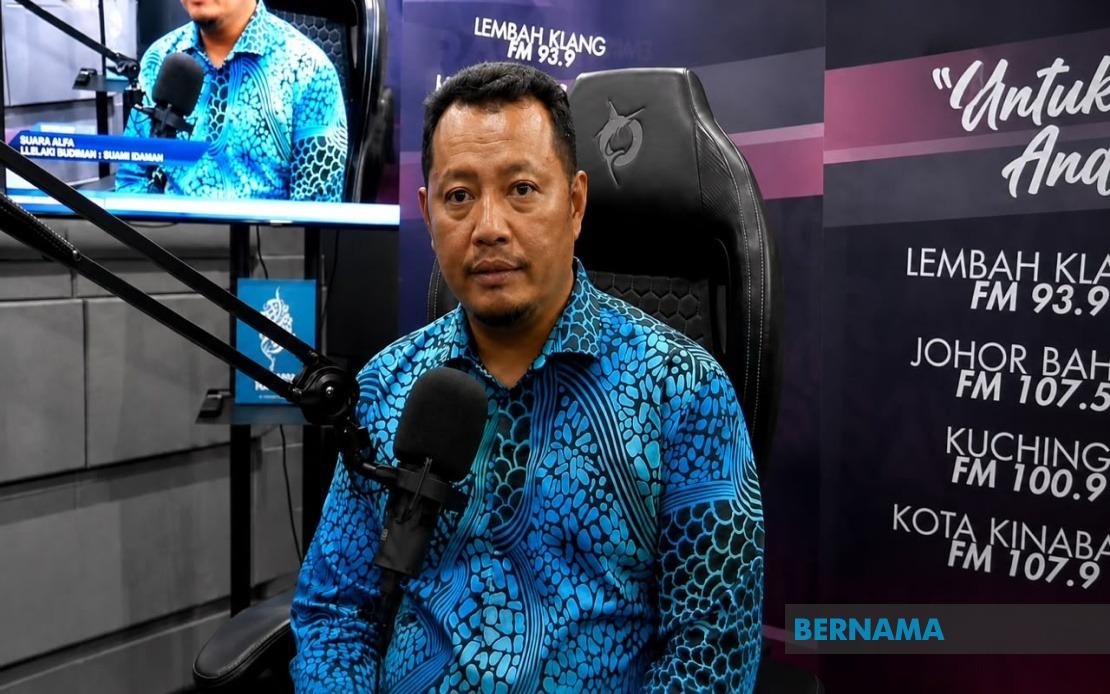
Md Noh Saiman, chief assistant director of LPPKN's Counselling and Intervention Unit, elaborated on this developmental framework during a recent radio appearance, stressing that the parenting approach adopted by mothers and fathers fundamentally determines how children internalise values. He emphasised that children absorb lessons not primarily through explicit instruction but through constant observation of parental conduct and decision-making. This mechanism of learning operates largely at a subconscious level, meaning parents serve as living textbooks whose daily interactions with spouses, community members, and their children communicate powerful messages about what society expects of men.
The conception of a gentleman that LPPKN promotes deliberately extends beyond superficial courtesies or romantic gestures. Instead, Md Noh articulated a more substantive definition encompassing integrity, truthfulness, and a genuine commitment to shouldering family responsibilities without expectation of recognition or gratitude. This reimagining of masculinity challenges traditional narratives that have sometimes reduced male virtue to chivalrous performance rather than consistent ethical action. For Malaysian households navigating modernisation, this distinction proves particularly relevant, as families grapple with evolving expectations around gender roles and partnership dynamics.
A practical manifestation of this responsible manhood involves active participation in domestic labour and childcare. When husbands meaningfully engage in household management and parental duties alongside their professional responsibilities, they demonstrate through behaviour rather than rhetoric that family welfare matters. Md Noh identified this dimension as especially powerful for supporting female partners, enabling women to pursue career ambitions and personal development with the security of genuine domestic partnership. This observation resonates across Southeast Asia, where women increasingly contribute financially to households yet often carry disproportionate domestic burdens, creating tension between economic participation and traditional role expectations.
The LPPKN's Lelaki Idaman (Ideal Man) Programme functions not as an exclusive honours system for men already exhibiting exemplary character, but rather as a transformative platform welcoming those seeking personal evolution. This inclusive approach recognises that self-improvement represents an ongoing journey rather than an endpoint, and that individuals demonstrating willingness to examine their behaviour and adopt better practices deserve institutional support. Md Noh highlighted the importance of receptiveness to constructive criticism as a marker of emotional maturity, noting that genuinely developed men evaluate feedback based on its merit rather than its source, thereby maintaining humility and continuing growth throughout adulthood.
The digital environment presents unprecedented challenges to efforts aimed at cultivating masculine values. Social media platforms and online information ecosystems now compete with family environments as primary shapers of expectation regarding masculine identity. Both men and women encounter curated representations of ideal masculinity across countless digital channels, many of which may reinforce narrow stereotypes or unhealthy behavioural models. This expanded information landscape means that parental guidance, while foundational, cannot operate in isolation; societal and institutional messaging must align to support consistent values regarding responsibility, respect, and emotional maturity.
Strengthening family institutions emerges as inseparable from developing responsible men, as Md Noh indicated when discussing the interconnection between individual male development and household stability. Men who actively support their partners create conditions for more stable, functional families capable of weathering economic uncertainty and social change. This ripple effect extends beyond individual households, as children raised in such environments internalise healthier relationship models, potentially reducing cycles of dysfunction and contributing to greater social cohesion. For Malaysia and the broader Southeast Asian region, where rapid development has sometimes strained traditional family structures, this connection between male responsibility and institutional stability warrants serious policy attention.
The LPPKN's emphasis on early intervention reflects research suggesting that patterns established in childhood prove remarkably persistent through adulthood. Investment in parenting support, educational messaging around masculine identity, and community programmes that celebrate responsible fatherhood and partnership thus represent cost-effective approaches to long-term social benefit. Rather than attempting to reform adult behaviour after problematic patterns have calcified, cultivating understanding among parents and children about genuine masculine virtue offers prevention at its most effective point.
For policymakers and social institutions across Malaysia and Southeast Asia, the LPPKN's framework offers a roadmap for approaching masculinity not as an inherent trait fixed at birth, but as a set of cultivatable qualities requiring intentional guidance. This perspective opens space for men themselves to engage in personal development without shame or defensiveness, recognising that improvement serves not only their own wellbeing but that of their families and communities. As regional societies continue navigating modernisation's demands, anchoring masculine identity in responsibility and genuine partnership rather than outdated performance of strength or dominance may prove essential to building more equitable, stable, and prosperous households.

