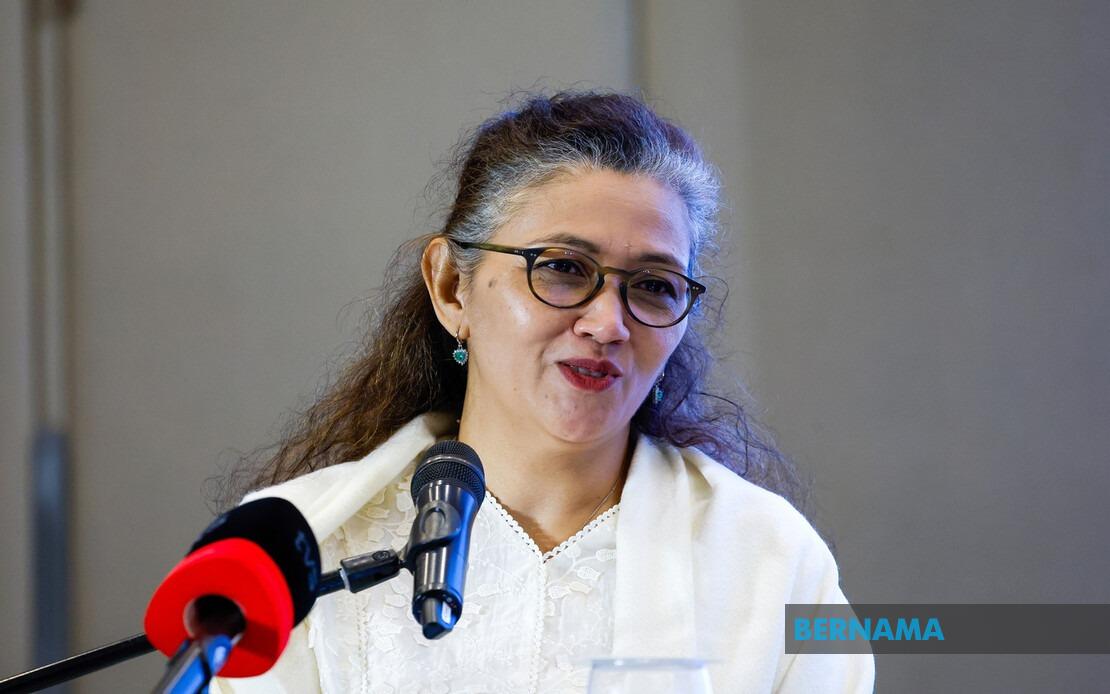
Sibu Hospital's Neurosurgery Department has transformed into a vital medical hub for central Sarawak, extending specialist neurosurgical care across a sprawling geographical area encompassing over one million residents from Bintulu through to Betong Division. The evolution of this facility marks a significant shift in healthcare accessibility within the region, fundamentally altering how patients with complex neurological conditions receive treatment without requiring expensive transfers to state capital Kuching.
Deputy Health Minister Datuk Hanifah Hajar Taib highlighted the department's remarkable journey when launching the Transforming Brain Injury Conference 6.0 at Sibu Hospital. She emphasised how the unit, operating under the leadership of Dr Nelson Yap Kok Bing, has embedded specialist neurosurgical expertise within central Sarawak through sustained commitment and strategic innovation. The achievement represents a deliberate effort to decentralise advanced medical services, addressing longstanding challenges that rural and semi-rural populations face when accessing tertiary healthcare.
The financial implications of establishing this neurosurgical centre cannot be overstated. Since its consolidation in 2013, the department has contributed to savings exceeding RM50 million by substantially reducing the frequency of costly medical evacuation transfers to Kuching. These evacuations represent not merely transportation expenses but broader economic burdens including lost work productivity, family separation, and the strain of relocating patients across considerable distances during their most vulnerable periods. By anchoring advanced neurosurgical capacity locally, the hospital has fundamentally restructured the healthcare economics of central Sarawak.
Beyond its primary hospital base in Sibu, the neurosurgery department operates an innovative outreach model through visiting specialist clinics positioned strategically across the region. These clinics, operating in Mukah, Bintulu, Sarikei and Kapit, represent a pragmatic solution to geographic dispersal and transportation challenges endemic to Sarawak's vast landscape. This approach significantly reduces the financial burden on patients and families who might otherwise travel extensively for specialist consultations, simultaneously improving treatment adherence and enabling early intervention before conditions deteriorate necessitating expensive acute interventions.
The Deputy Health Minister characterised the neurosurgery department's trajectory as exemplifying what purposeful vision, institutional commitment and capable leadership can achieve within Malaysia's healthcare system. She positioned Sibu's experience as a model worthy of national recognition, suggesting that other regions might replicate its approach in developing specialist services appropriate to their population demographics and geographical constraints. This perspective elevates the discussion beyond local achievement to illuminate broader questions about how Malaysia can distribute medical expertise more equitably across its diverse territorial landscape.
Hanifah Hajar articulated a wider vision for healthcare transformation in Sarawak, emphasising that the federal Health Ministry remains committed to sustained collaboration with the state government, healthcare providers, academic institutions and professional organisations. This multi-stakeholder approach acknowledges that specialist healthcare development cannot succeed through isolated institutional effort but requires coordinated investment across multiple sectors. The collaborative framework encompasses infrastructure development, equipment acquisition, and crucially, the cultivation of human capital through continuous professional development and capacity building.
Investment in human resources emerged as a central theme in the Deputy Minister's remarks. She stressed that infrastructure and equipment, while essential, represent incomplete solutions without corresponding investment in the doctors, nurses, and allied health professionals who deliver care. This emphasis on workforce development proves particularly relevant for Sarawak, where attracting and retaining medical talent in less urbanised settings presents persistent challenges. The success of Sibu's neurosurgery unit reflects partly the ability to develop and maintain a skilled team committed to serving regional populations.
The emergence of Sibu as a neurosurgery centre reflects broader patterns of healthcare specialisation occurring across Southeast Asia, where regional hubs gradually absorb functions previously concentrated in major metropolitan centres. For Malaysian healthcare policymakers, the Sibu experience offers instructive lessons about feasibility and implementation. The department's ability to achieve financial sustainability while maintaining service quality suggests that specialist decentralisation need not compromise clinical standards, provided adequate investment and governance structures remain in place.
From a Malaysian context, the Sibu achievement carries particular significance given Sarawak's geographical vastness and dispersed population patterns. The state encompasses approximately 124,000 square kilometres with substantial portions characterised by difficult terrain and limited transport infrastructure. Establishing specialist centres capable of serving multi-million populations across such areas demands different strategic thinking than might apply in Peninsular Malaysia. Sibu's success in this context potentially offers a template adaptable to other regions facing similar geographic and demographic realities.
The development also addresses implicit healthcare equity considerations embedded within Malaysian federalism. Populations in less urbanised areas historically experienced longer wait times, reduced access to specialists, and diminished quality of care compared to residents in major metropolitan zones. By establishing Sibu as a capable neurosurgery centre, the system progressively reduces these geographic disparities, aligning with constitutional commitments to equitable public service delivery. The visiting clinic model extends this equity principle further, ensuring that patients in smaller towns need not relocate permanently or spend prohibitively on transport to access care.
Looking forward, the Deputy Minister's emphasis on continued collaboration and investment suggests momentum toward expanding this model. Other specialist disciplines might similarly benefit from regional decentralisation strategies, potentially transforming Malaysia's healthcare geography from its current metropolitan-centred configuration toward a more distributed network. Such transformation requires sustained political commitment and resource allocation, but Sibu's achievements demonstrate its viability and positive impact on population health outcomes and economic efficiency.

