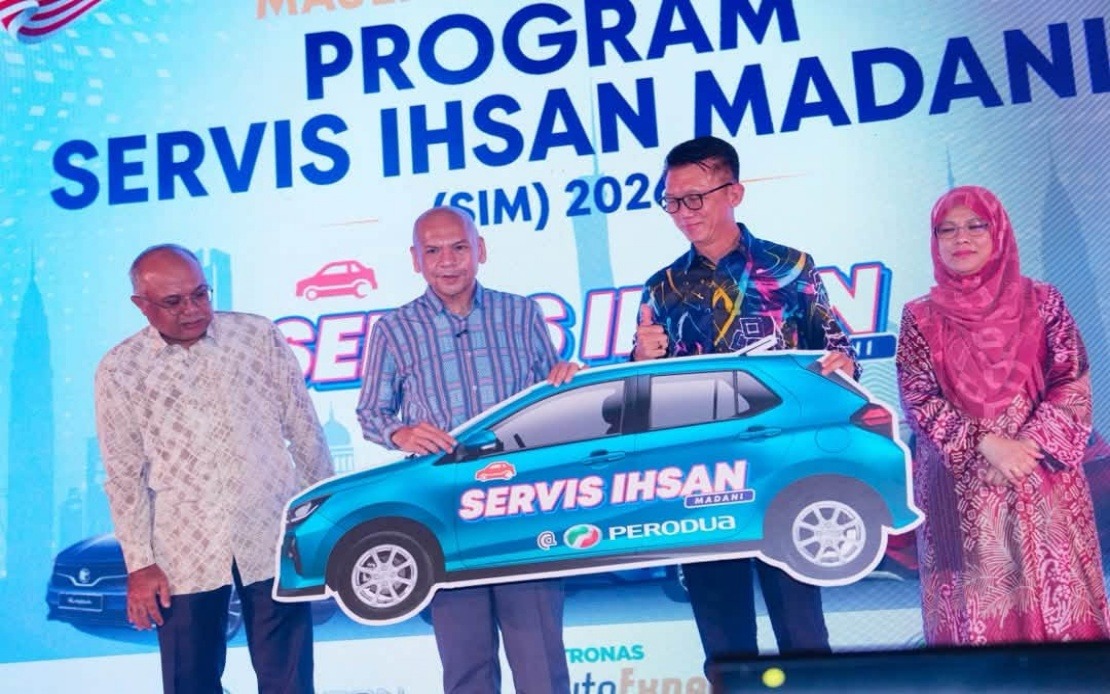
The Malaysian government is taking its vehicle maintenance subsidy scheme deeper into the local automotive ecosystem, bringing the Sistem Imbuhan Maintenance (SIM) programme to include Perodua and Proton service networks alongside existing PETRONAS AutoExpert partnerships. The expansion, announced by Domestic Trade and Cost of Living Minister Datuk Armizan Mohd Ali in Putrajaya on August 27, represents a strategic effort to make vehicle upkeep more affordable for ordinary motorists while supporting the nation's automotive sector during the National Month 2026 period.
The breadth of this rollout underscores the government's commitment to embedding affordability measures across Malaysia's major vehicle manufacturer ecosystems. The programme now encompasses a sprawling network of 531 service centres and workshops distributed throughout the country, with Perodua accounting for 221 facilities, Proton contributing 186 locations, and PETRONAS AutoExpert operating 124 centres. This geographical distribution ensures that vehicle owners in urban and rural areas alike can access the maintenance incentive, removing barriers that might otherwise discourage regular servicing in less densely populated regions.
The RM70 subsidy structure, while modest in absolute terms, addresses a genuine cost consideration for many Malaysian households. Regular vehicle maintenance represents an ongoing expense that many owners defer or neglect, particularly when facing financial constraints. By subsidizing a portion of maintenance costs, the programme creates a financial nudge that can shift consumer behaviour toward more consistent servicing habits. For manufacturers like Perodua and Proton, this initiative indirectly supports their after-sales revenue streams and customer retention strategies, creating a win-win dynamic between government policy and industry interests.
Access to the subsidies flows through a digital-first approach that reflects Malaysia's push toward cashless and app-based service delivery. Customers interested in claiming the RM70 rebate must book their maintenance appointments via the respective service providers' applications, streamlining the administrative process while generating valuable transaction data for participating businesses. This technological intermediary also reduces the potential for fraud or misuse, embedding verification checks directly into the booking platforms. The shift toward app-based redemption aligns with broader government digitalization objectives and meets consumer expectations for frictionless digital transactions.
The initiative sits within the broader Payung RAHMAH MADANI umbrella, the government's overarching framework for translating the Malaysia MADANI vision into tangible consumer benefits. By explicitly linking the SIM programme expansion to this larger narrative, officials position vehicle maintenance affordability as part of a comprehensive approach to improving living standards. The nomenclature and framing matter here: by anchoring specific subsidies within a recognizable policy framework, the government creates coherence across multiple interventions and helps citizens understand the interconnected nature of various cost-of-living initiatives.
Beyond the immediate financial relief, the programme's designers emphasize a secondary objective centred on vehicle safety and road conditions. Regular maintenance addresses mechanical wear, identifies potential failures before they become dangerous, and ensures compliance with safety standards. When vehicle owners defer servicing due to cost concerns, they inadvertently accept elevated risk of breakdowns, accidents, and safety failures. By subsidizing maintenance, the government indirectly invests in public road safety while reducing the likelihood of preventable accidents that extract economic costs across multiple sectors, from emergency services to insurance and healthcare systems.
The timing of this announcement during National Month 2026 celebrations carries deliberate symbolic weight. Coupling consumer-facing subsidies with patriotic observances reinforces the narrative of government responsiveness and citizen-centred policymaking. For voters and consumers navigating economic pressures, such initiatives provide concrete evidence that political leadership understands their day-to-day concerns. The ceremonial context—including the National Day and Malaysia Day celebrations at the KPDN level—frames this expansion as part of a broader national commitment to shared prosperity, even as the underlying mechanics remain fundamentally economic and administrative.
Complementary initiatives layered alongside the SIM expansion amplify the government's cost-of-living agenda. The Jualan Ihsan RAHMAH 9.9 online sale launching on September 9 through TikTok Shop Malaysia exemplifies this multi-channel approach, offering discounts between 10 and 30 per cent on essential goods. Prime Minister Datuk Seri Anwar Ibrahim previously positioned this online sale as a coordinated effort involving multiple ministries and partners, demonstrating how discrete initiatives combine into a perceived comprehensive response to affordability challenges. For Malaysian consumers juggling various household expenses, from vehicle maintenance to essential goods, such layered programmes create cumulative savings opportunities.
The strategic partnership model underlying these initiatives reflects an evolved approach to government-industry collaboration in Malaysia. Rather than imposing subsidies or regulations unilaterally, the KPDN works alongside Perodua, Proton, PETRONAS, and digital platforms like TikTok Shop to design mechanisms that benefit consumers while preserving business incentives. This collaborative framework allows manufacturers to maintain profit margins while accessing customer goodwill and improved retention metrics. For logistics and platform operators, participation in high-visibility national programmes generates brand association with government priorities and consumer welfare, creating marketing value alongside any direct financial arrangements.
The programme's success will ultimately depend on awareness and uptake among the target demographic. Vehicle owners must discover the initiative, understand the eligibility criteria, navigate the booking applications, and complete the transactions. Government communication strategies and retail partnerships will prove crucial in reaching segments of the population—particularly older drivers or those less digitally engaged—who might otherwise remain unaware of the opportunity. Measuring participation rates across different demographic groups and geographic regions will provide valuable feedback for policymakers seeking to refine future iterations of such programmes.
Looking forward, the SIM programme's expansion to Perodua and Proton establishes a template for how Malaysia might extend affordability initiatives across other essential sectors. The model of subsidizing routine maintenance or preventive services, delivered through existing commercial infrastructure, offers scalability potential. Whether applied to healthcare screenings, home maintenance, or equipment servicing, the framework of partnering with established service providers, offering modest per-transaction subsidies, and leveraging digital booking systems could address cost-of-living pressures in multiple domains simultaneously.
For regional observers, Malaysia's approach demonstrates how governments balancing fiscal constraints with voter expectations might deploy targeted subsidies strategically. Rather than pursuing blanket price controls or universal subsidies that drain budgets, this initiative concentrates support on specific services and mechanisms, maximizing perceived benefit while managing expenditure. As other Southeast Asian governments confront comparable affordability challenges, Malaysia's integrated approach—combining vehicle maintenance support, essential goods discounts, and digital delivery mechanisms—may offer instructive lessons for policymakers seeking to demonstrate responsive governance without compromising fiscal sustainability.

