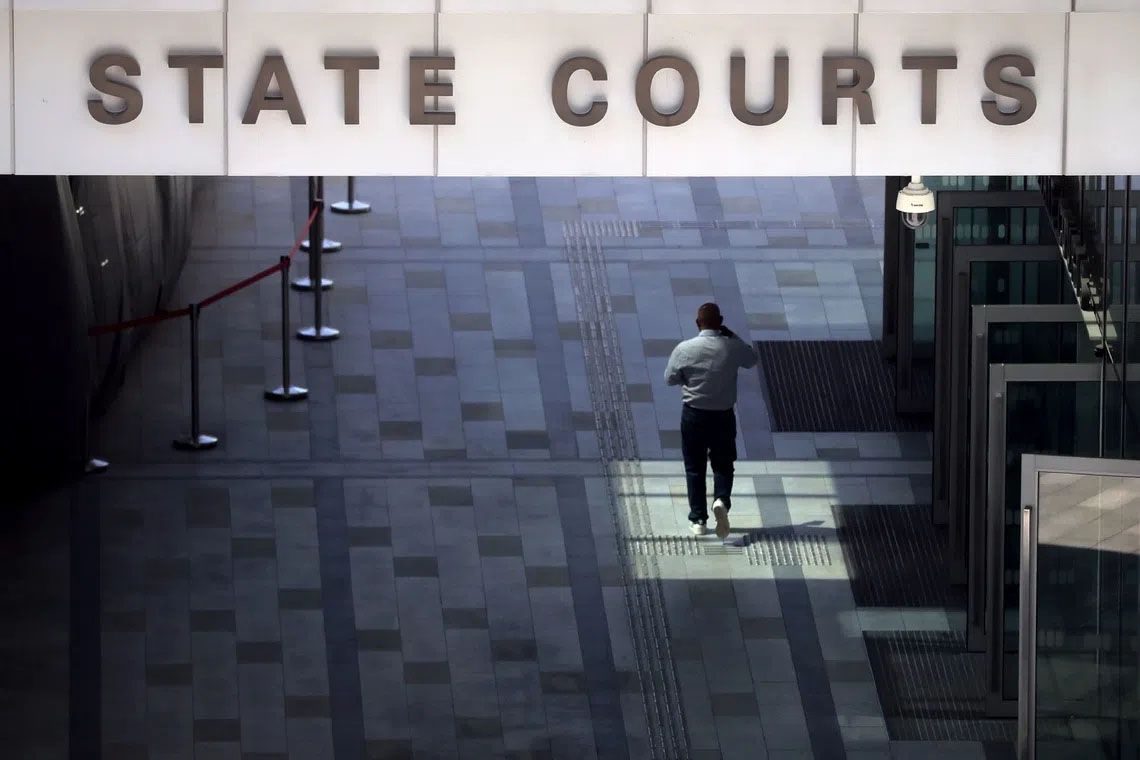
A Singapore coroner has concluded that two teenagers who died within hours of each other in late January had engaged in drug manufacturing and consumption, having prepared their own methamphetamine capsules before succumbing to lethal doses of the substance. State Coroner Adam Nakhoda delivered his findings on July 15, confirming that both youths had accumulated fatal concentrations of methamphetamine in their bodies at the time of their deaths. The identities of the pair remain legally protected under strict court orders, with all identifying information—including their names and residential addresses—prohibited from public disclosure to safeguard their families' privacy.
The tragic sequence of events began with online communications between the two teenagers, who connected via the encrypted messaging platform Telegram beginning January 29, 2025, just two days before their deaths. Although the coroner could not establish precisely how the pair first became acquainted, he determined they maintained no romantic relationship despite their intensive contact during their final hours. The young man had previously experimented with Kpods, a form of inhalable drug, while the young woman revealed earlier experience with Ecstasy. Their initial discussion centred on obtaining cannabis, with the man promising to purchase weed from an associate, though that plan ultimately fell through when he proved unable to source the substance.
The fatal chain of events accelerated in the early morning hours of January 31. After attending a Chinese New Year gathering at a friend's residence on the evening of January 30, the young man departed between 10 and 11 o'clock that night. At approximately 3 a.m. on January 31, he sent the woman a text message disclosing substantial gambling losses, followed shortly by a casual suggestion to experiment with methamphetamine. The woman responded that she would research the drug online, and the pair subsequently discussed consumption methods in their Telegram exchange. While the young woman waited for her parents to enter sleep, allowing her to slip out undetected, the young man methodically filled four empty pharmaceutical capsules with methamphetamine powder.
The woman confirmed her departure from her home at about 4:40 a.m., and the man arranged a private-hire vehicle to transport her to his residence. She arrived approximately thirty-five minutes later, and the pair retreated to his bedroom. At 5:30 a.m., the man's domestic helper reported hearing chairs being dragged across the floor in the room directly above her own. The casual observations of family members would later prove significant to the coroner's investigation. The man's brother, arriving home around midday, noticed women's shoes placed outside the front entrance and glimpsed women's undergarments on the bedroom floor. Respecting his brother's privacy, he withdrew without investigation.
When the brother returned at approximately 3:30 p.m., the woman's shoes remained in their original position, prompting concern. Upon entering the bedroom at 4:45 p.m., he discovered the young man lying motionless on the floor, wearing only underwear, with his body exhibiting a darkened discoloration and abnormally cool skin temperature. The brother immediately contacted the Singapore Civil Defence Force while alerting another sibling, who commenced cardiopulmonary resuscitation efforts. Simultaneously, rescue personnel heard crying emanating from the toilet, where they located the woman sitting on the floor in a partially clothed state, unresponsive to verbal communication. Paramedics reached the residence by 5 p.m., pronounced the young man deceased at 5:01 p.m., and transported the woman to Changi General Hospital in critical condition.
At the hospital, medical staff placed the woman on a ventilator and administered emergency medications, but her condition deteriorated. She expired at 10:45 p.m., approximately five hours after the discovery of the young man's body. Police officers conducting investigation at the home discovered forensic evidence indicating deliberate drug preparation and consumption. Two small storage bags containing a white substance lay on a poker table in the bedroom, alongside a blister pack with four pills missing—precisely matching the capsules the young man had filled hours earlier. A digital weighing scale, consistent with drug processing, and the woman's handbag completed the evidence collection.
Forensic examination of the young man's mobile telephone revealed a video recording documenting both teenagers inhaling methamphetamine inside his bedroom, their behaviour demonstrating the characteristic manic agitation and loss of motor control typical of acute methamphetamine intoxication. The coroner determined that the man's blunt force injuries—bruising and trauma observed during autopsy—resulted from falls or violent contact with bedroom furniture, consequences of the profound lack of coordination and loss of bodily control induced by the potent stimulant drug. The cumulative toxic effects of the substance they had manufactured and consumed proved immediately lethal, with neither youth surviving more than a few hours after ingestion.
This case underscores the escalating danger posed by drug manufacturing within domestic settings, particularly among younger populations who may underestimate the lethal potency of methamphetamine. The coroner's findings reveal how rapidly the situation deteriorated from casual online discussion to fatal outcomes, with the entire sequence from initial proposal to death spanning merely a matter of hours. The teenagers' attempt to self-manufacture pills suggests insufficient awareness of the dangers inherent in handling and dosing such hazardous substances without laboratory equipment or expertise. For Malaysian readers and regional observers, the case serves as a sobering reminder that methamphetamine represents not merely a social concern but a direct threat to adolescent safety, particularly as online platforms facilitate rapid connection between individuals seeking drug experiences.
The circumstances also highlight the sophisticated nature of contemporary drug abuse patterns, where communication occurs through encrypted applications leaving minimal digital footprint for early intervention by authorities or family members. By the time family members noticed anomalies—unfamiliar shoes, delayed departure—tragedy had already become irreversible. The coroner's detailed findings provide law enforcement and public health authorities across Southeast Asia with critical documentation of how street-level drug consumption has evolved beyond simple ingestion toward home-based manufacturing operations. The availability of equipment and precursor materials, combined with internet-based instructions, has democratised drug production in ways that significantly elevate risk for experimental users who lack pharmaceutical training or understanding of lethal dosing thresholds.

