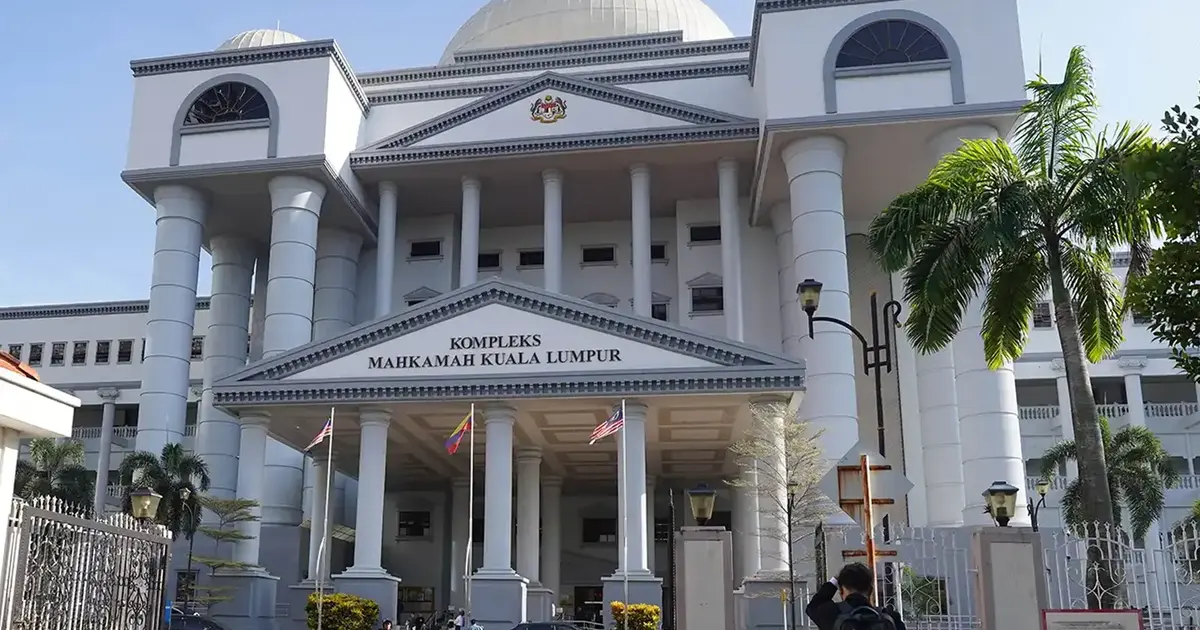
A six-year legal struggle against Singapore's contentious fake news legislation has ended in defeat for the rights advocacy group LFL, after the High Court determined it lacked the authority to force government involvement in their resistance to a correction directive. The ruling represents a significant moment in the ongoing debate over the Prevention of Online Falsehoods and Manipulation Act (Pofma), which has drawn international scrutiny and criticism from free speech advocates since its enactment.
The Home Ministry had issued a correction directive against LFL, requiring the group to append corrections to statements the government deemed false or misleading. Rather than comply, LFL chose to contest the directive through constitutional channels, arguing that the government's power under Pofma violated fundamental rights protections enshrined in Singapore's constitution. The six-year journey through the courts demonstrates the complexity of challenging legislation in Singapore's legal system, particularly when fundamental rights and government executive powers intersect.
The High Court's judgment centered on a crucial procedural question: whether courts retain the power to intervene when citizens or organisations face government directives under Pofma. By ruling that it lacked this power, the judiciary essentially drew a boundary around its own authority, suggesting that such matters fall within the discretionary sphere of the executive branch. This distinction between judicial and executive domains is particularly significant in Singapore's Westminster-influenced constitutional framework, where separation of powers operates differently than in some other democracies.
For Malaysian observers and analysts, the Singapore decision carries instructive implications. Malaysia has grappled with its own questions about online speech, misinformation governance, and the balance between security concerns and civil liberties. The Communications and Multimedia Act and provisions under the Penal Code addressing online content have generated similar debates about whether regulatory frameworks adequately protect fundamental freedoms. Singapore's experience with Pofma—and now this legal setback for those challenging it—offers a cautionary example of how legislation framed as necessary for protecting the information ecosystem can, in practice, concentrate significant power in executive hands with limited judicial oversight.
The ruling also reflects broader tensions within Southeast Asia regarding digital governance and free expression. As regional governments increasingly legislate around online content, the question of who decides what constitutes falsehood and how dissenting voices can challenge such determinations grows more pressing. Singapore's approach, where the government itself essentially functions as the arbiter of truth with minimal legal recourse for affected parties, stands in contrast to frameworks in other democracies where fact-checking and correction mechanisms involve greater transparency and external oversight.
LFL's legal strategy—attempting to mobilize constitutional protections against what they characterized as executive overreach—reflects a common approach by civil society groups facing restrictive speech legislation. However, the court's conclusion that it cannot intervene suggests that constitutional safeguards, at least as interpreted by Singapore's judiciary, may offer limited protection against directives issued under Pofma. This has implications for how rights groups across the region assess the viability of constitutional litigation as a tool for defending press and speech freedoms against government regulations.
The case underscores a fundamental challenge facing democracies worldwide: determining appropriate responses to genuine misinformation and manipulation while maintaining robust protection for legitimate expression and dissent. Pofma was introduced in Singapore against a backdrop of concerns about foreign interference and domestic disinformation campaigns. Yet critics argue the law's breadth—particularly provisions allowing correction directives for statements deemed "false" or "misleading" without rigorous evidentiary standards—creates opportunities for suppressing legitimate political speech and criticism.
From a Southeast Asian perspective, the LFL judgment may embolden governments considering similar legislation, as it demonstrates that courts may interpret their constitutional role narrowly when executive directives are challenged. Conversely, it may galvanize civil society organisations and media freedom advocates to explore alternative avenues—whether through legislative reform, public campaigns, or international advocacy—to contest regulations they view as threats to press freedom and democratic discourse.
The ruling also raises questions about whether Singapore's constitutional framework adequately equips courts to review executive action in the digital age. As governments region-wide develop new tools to manage online information environments, the interaction between judicial review, executive discretion, and civil liberties protection becomes increasingly consequential. The High Court's conclusion that it simply cannot intervene in Pofma-related disputes may reflect genuine constitutional constraints, but it also highlights potential gaps in institutional checks on executive power.
LFL's six-year ordeal demonstrates the protracted nature of constitutional litigation and the substantial commitment required from civil society organisations willing to test the boundaries of government authority through courts. For smaller advocacy groups or individuals facing similar directives, the financial and institutional barriers to mounting such a challenge are considerable. The judgment may therefore have a chilling effect on further legal challenges, regardless of whether the underlying concerns about Pofma's scope and application have merit.
Looking forward, the decision raises critical questions for Malaysia and other ASEAN nations about how to construct digital governance frameworks that adequately balance security, social stability, and democratic freedoms. As disinformation and online manipulation pose genuine challenges, the temptation to grant executives broad discretion in defining and correcting "false" information remains strong. Yet Singapore's experience suggests that without robust judicial oversight and transparent standards, such powers can expand beyond their original intent. The LFL case thus serves as a cautionary tale about the importance of designing information governance systems with meaningful checks, clear criteria, and accessible avenues for those affected to contest government determinations.

