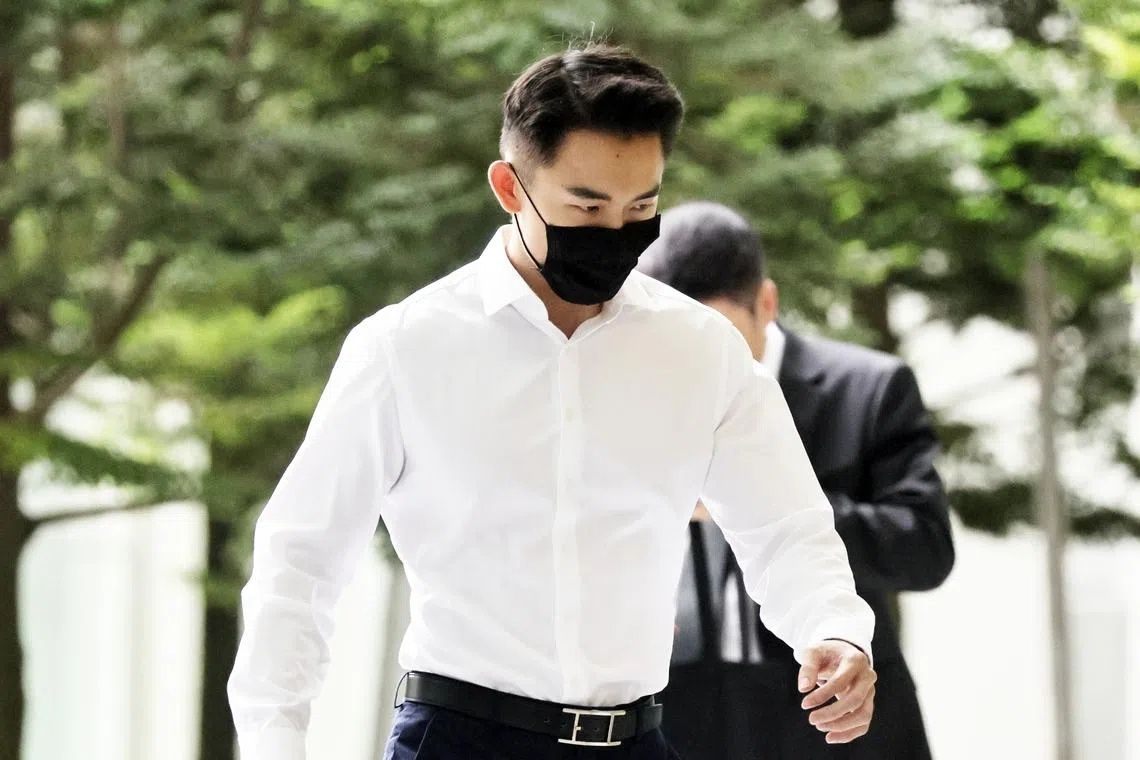
A doctor in Singapore has been convicted of drug consumption after police raided a private party at a luxury hotel villa in Sentosa last year. Rayson Lee Rui Sheng, 36, was among 49 men arrested during a dawn operation at the Sofitel Singapore Sentosa on August 9, 2023. Lee, along with fellow party guest Tan Li Ming, 29, were both found guilty on Tuesday of consuming MDMA, commonly known as ecstasy, following a comprehensive investigation by the Central Narcotics Bureau and supporting toxicology analysis.
The case centred on forensic evidence extracted from biological samples provided by both men to investigating authorities. Testing by the Health Sciences Authority revealed the presence of MDMA in their urine samples, while hair analysis detected traces of both ecstasy and ketamine, indicating a pattern of drug use extending beyond the single incident at the hotel. The prosecution presented this evidence as conclusive proof of consumption rather than merely evidence of exposure to substances, positioning the case squarely on whether the men knowingly ingested the drugs rather than whether the drugs were present in their systems.
Both defendants mounted an identical legal strategy, claiming their beverages at the villa party had been deliberately contaminated without their knowledge or consent. Lee asserted that he consumed three drinks provided by unfamiliar partygoers and observed neither drug paraphernalia nor any instances of drug use during his time at the venue. Tan presented a more elaborate narrative, claiming to have witnessed unidentified men drawing liquid from a bottle using a syringe and dispensing it into plastic cups at a pantry area. He alleged that after drinking from one of these cups, he discovered white residue at the bottom and questioned an unknown person about the substance, receiving only a cryptic reference to "G-water" that would produce intoxication.
District Judge A Sangeetha methodically dismantled these defences, finding the men's testimonies fundamentally unreliable and contradicted by their own subsequent behaviour. The judge observed that despite both men claiming their drinks had been spiked without their knowledge, they continued consuming additional beverages throughout the party evening. This inconsistency between their stated concerns about drink safety and their demonstrated willingness to accept and consume further alcoholic beverages formed a central pillar of the judgment. Moreover, the judge's examination of their hair samples revealed evidence of prior MDMA and ketamine use, establishing both defendants as experienced drug users rather than unsuspecting victims of random tampering.
The prosecution team, comprising Deputy Public Prosecutors Jocelyn Teo and Dhiraj G Chainani, methodically dismantled the defence's spiking narrative by highlighting the absence of corroborating evidence and the suspicious nature of the men's claims. The DPPs pointed out that despite their elaborate accounts of witnessing specific individuals engaging in suspicious behaviour, neither defendant could provide concrete identifying details about any purported perpetrators. The prosecutors emphasised that genuine victims of drink tampering would logically be able to provide at least basic descriptive information about the perpetrators rather than referring vaguely to "unidentified foreign nationals," a phrase the court viewed sceptically.
The defence team, led by lawyer Tania Chin, had additionally argued that police failed to seize certain "plastic silver cups" that might have contained drug residue corroborating their spiking claims. The prosecution counterargued that even if such cups had been seized and tested positive, this would merely confirm that the men drank drug-contaminated beverages, not that they did so unknowingly. The prosecutors characterised the defence strategy as relying on "hypothetical scenarios and unexplored possibilities" rather than concrete evidence, effectively describing the legal approach as speculative rather than forensically grounded.
Lee's account of his movements that evening provided additional context that appeared to undermine his credibility. He stated that he initially attended an acquaintance's birthday celebration at the villa beginning at approximately 8pm on August 8, before departing for a nightclub in Clarke Quay where he met Tan for the first time. The two men then travelled separately to the villa in the early morning hours, where Lee claimed the gathering had expanded significantly to include numerous unrecognised individuals. Most notably, Lee disclosed during the trial that he had "popped a pill" on two separate occasions while visiting Thailand in June 2023, approximately six weeks before the Sentosa hotel incident. This revelation proved particularly damaging, as it demonstrated prior recreational drug use and suggested a pattern of voluntarily engaging in drug consumption rather than being an accidental victim of forced ingestion.
The police operation itself began when authorities acting on received intelligence conducted initial checks at the Sofitel Singapore Sentosa shortly after 5:30am on the morning of August 9. Police discovered substances believed to be controlled drugs, prompting the immediate involvement of the Central Narcotics Bureau as specialist investigators. The subsequent CNB operation recovered multiple substances suspected to be controlled drugs, including ecstasy and ketamine, along with associated paraphernalia used in drug preparation and consumption. The comprehensive nature of these seizures indicated that the villa party represented a deliberately organised gathering centred on drug consumption rather than a legitimate social event where drugs happened to be present.
The case carries particular significance for Singapore's strict drug enforcement framework and the broader Southeast Asian context of narcotics control. Singapore maintains some of the region's most stringent drug laws, with mandatory minimum sentences for trafficking and consumption offences. The conviction of a medical professional represents a notable development, potentially affecting professional licensing and standing within Singapore's regulated healthcare sector. Doctors convicted of drug-related offences face potential disciplinary action from the Singapore Medical Council, including suspension or removal from the medical register, consequences extending far beyond criminal sentencing.
The verdict also reflects Singapore's judicial scepticism toward defences based on drink spiking, particularly when biological evidence establishes clear patterns of drug use. The prosecution's ability to leverage hair analysis demonstrating prior drug consumption proved decisive, as it shifted the burden of credibility heavily against defendants making claims of unwitting exposure. Hair samples retain traces of substances over extended periods, providing historical evidence of usage patterns that single urine tests cannot establish, making them particularly valuable in challenging defendants' assertions of first-time or accidental consumption.
For Malaysian observers, the case underscores the sophisticated forensic capabilities and strict evidentiary standards applied across Southeast Asian drug enforcement regimes. While Malaysia operates under similarly stringent drug laws, Singapore's court proceedings demonstrate the regional commitment to supporting toxicological evidence with robust questioning of defendants' credibility and consistency. The conviction also highlights the personal risks associated with unvetted social gatherings where substances may be present, regardless of individual intention or awareness. Both the legal and practical implications extend throughout the region, where young professionals across multiple sectors face potential career-ending consequences from drug involvement, whether active or claimed to be inadvertent.
The sentencing phase will follow the conviction, with Lee and Tan now facing potential custodial sentences and fines within Singapore's legislative framework for drug consumption offences. The case file closed on a significant note: the Straits Times reported that the authorities maintain records of all 49 individuals arrested during the operation, though not all have been prosecuted to the same extent as Lee and Tan. The broader law enforcement implications suggest continuing investigation and potential additional charges among the remaining arrested individuals, particularly given the discovery of quantities of controlled substances at the venue sufficient to prompt specialist narcotics bureau involvement and comprehensive forensic analysis.

