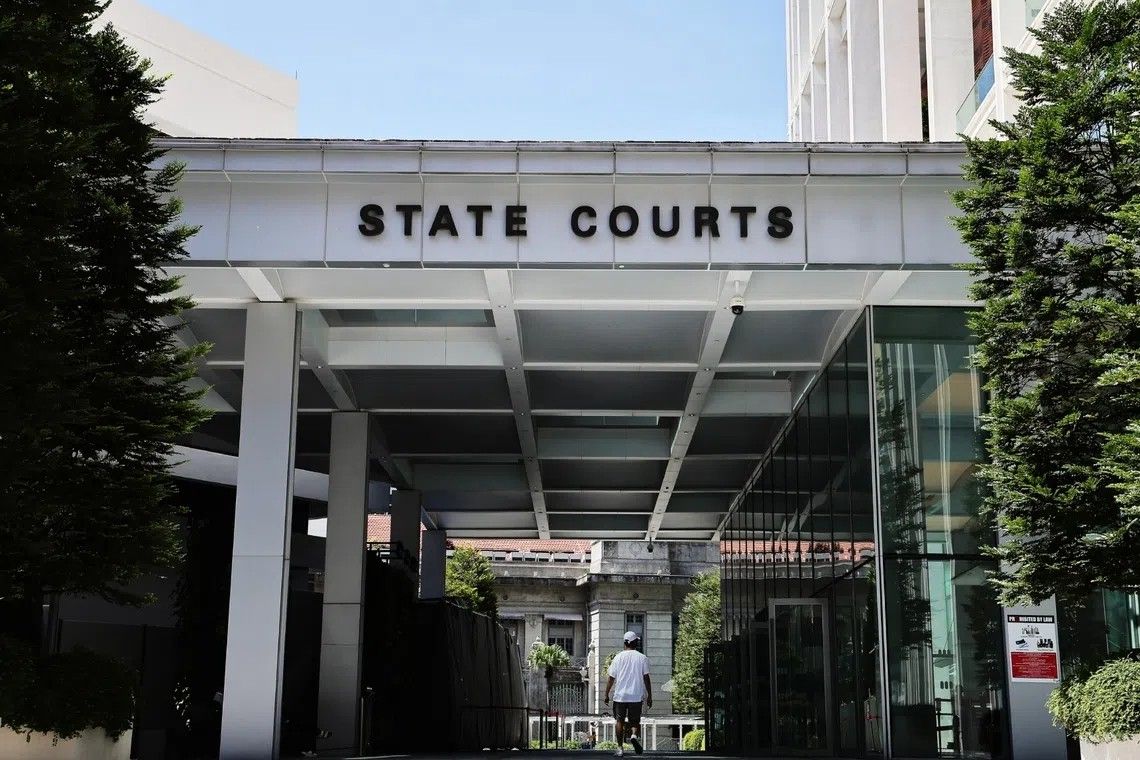
A 22-year-old man in Singapore faces eight criminal charges, including one of causing death by dangerous driving, following an early-morning incident at a petrol station on Upper Changi Road North that claimed the life of a 69-year-old pump attendant. Ray Png AZ was presented with the charges on August 8, just two days after the incident on August 6 at an Esso outlet, with allegations that he was operating a vehicle without valid registration and was under the influence of drugs at the time.
According to police accounts of the incident, Png was present at the petrol station shortly before 4 am when the collision occurred. The attendant was preparing to refuel the vehicle when Png allegedly made an abrupt reversing manoeuvre. The open driver's-side door struck the pump attendant, causing him to lose his footing. The man fell backward and sustained a critical head injury upon impact with the ground. Emergency services transported him to hospital, but despite medical intervention, he succumbed to his injuries.
Police statements indicate that Png did not remain at the scene following the accident. Instead, he abandoned the vehicle and fled the location with a female passenger. The urgency with which authorities moved suggests they prioritised apprehending the driver before he could evade detection or leave Singapore. Both individuals were located and arrested later that day. The female companion is now facing separate investigation into allegations that she consumed a controlled drug and provided assistance to the driver in absconding from the scene.
The eight charges laid against Png encompass a range of motoring offences of escalating severity. These include operating a motor vehicle without a valid driving licence, driving without due care and attention in a manner that resulted in death, driving under the influence of drugs, and operating a deregistered vehicle. Each charge carries distinct penalties that courts may apply independently or in combination, reflecting the compound nature of his alleged misconduct.
The decision to charge Png with drug-driving represents a significant component of the prosecution's case. Operating a motor vehicle while impaired by narcotics is particularly serious because it compounds the inherent risks already present in traffic situations. Impairment affects reaction time, motor control, and judgement, making it especially dangerous in environments like petrol stations where pedestrians are frequently nearby and unpredictable movements occur.
Singapore authorities have emphasised the dangers posed by deregistered vehicles, which lack mandatory insurance coverage and may have defects that render them mechanically unsafe. When such vehicles are operated by individuals without proper licensing, the risks escalate dramatically. Police statements underscore that these compounding factors—unlicensed operation, vehicle deregistration, and substance impairment—create a cascade of hazards to innocent road users and pedestrians. The fatality in this instance illustrates the potentially catastrophic consequences of such negligence.
The legal framework governing these offences in Singapore imposes substantial penalties. For driving without a valid licence, the maximum punishment includes a fine reaching S$10,000 and imprisonment for up to three years, with possible vehicle forfeiture. Causing death through driving without due care carries similar financial and custodial terms, while drug-driving offences permit fines between S$2,000 and S$10,000, jail time up to one year, and mandatory disqualification from operating all vehicle categories. Operating a deregistered vehicle incurs fines up to S$20,000 and imprisonment extending two years.
For Malaysian observers, this case underscores the critical importance of vehicle registration, proper licensing, and sobriety enforcement—areas that domestic authorities also prioritise. The incident demonstrates how a momentary lapse in reversing awareness, compounded by legal non-compliance and substance impairment, can transform a routine petrol station visit into a fatal tragedy. The 69-year-old attendant's death serves as a sobering reminder of the vulnerability of workers in proximity to moving vehicles.
The regional implications merit consideration as well. Throughout Southeast Asia, enforcement of traffic laws targeting drug-driving remains inconsistent. Singapore's swift response—charges laid within days—reflects a systematic approach that contrasts with slower prosecutorial timelines in some neighbouring jurisdictions. The case also highlights ongoing challenges with deregistered and unlicensed vehicles, which frequently circulate across Southeast Asian cities despite regulatory frameworks designed to prevent such operation.
Png's case is scheduled for a pre-trial conference on August 28, at which point further procedural details will emerge. The pre-trial phase will establish whether Png contests the charges, potentially proceed toward negotiated resolutions, or move toward a full trial. Given the severity of the allegations and the apparent factual clarity surrounding the incident, the case will likely attract substantial public attention and may serve as a reference point in discussions about traffic safety and substance impairment in the region.
The fatal outcome of this incident distinguishes it from other motoring violations, placing it firmly within the ambit of criminal law rather than mere regulatory breaches. For the pump attendant's family, the tragedy represents an irreplaceable loss; for broader society, it represents a preventable fatality that underscores the cumulative consequences of poor decision-making and legal non-compliance in traffic contexts.

