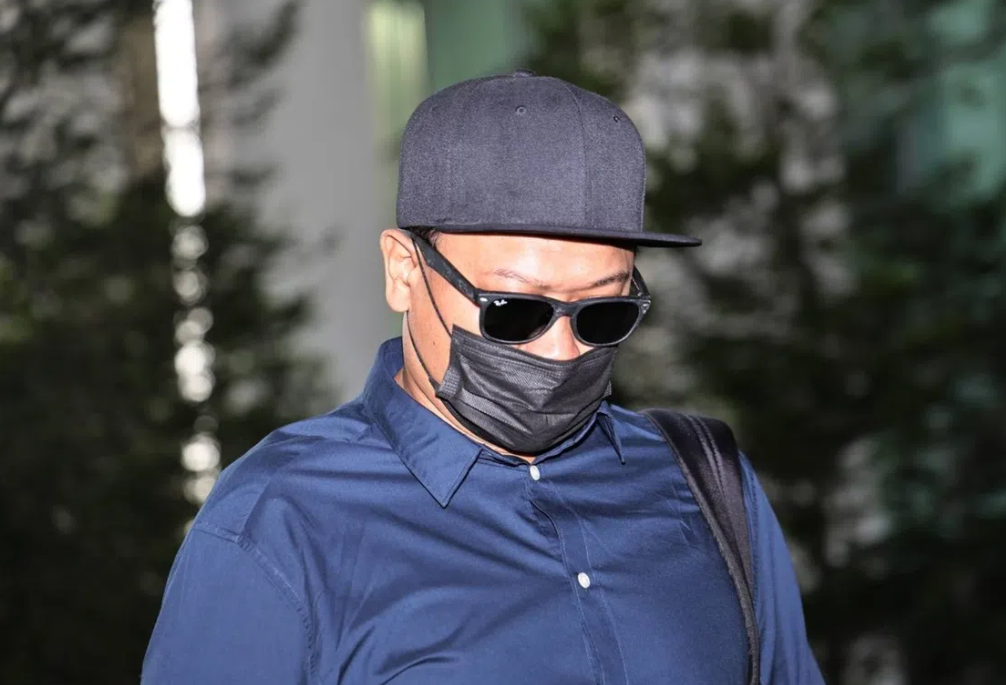
A Singapore driver has pleaded guilty to dangerous driving causing death following a catastrophic six-vehicle collision in Tampines in April 2024 that claimed two lives and left several others injured. Muhammad Syafie Ismail, 45, admitted to multiple traffic offences spanning dangerous driving causing death and dangerous driving causing hurt, appearing in the State Courts on August 6 in a low-profile manner, wearing sunglasses, a cap and a mask. His guilty plea comes more than two years after the incident and follows four separate court adjournments, marking a significant moment in the protracted legal process that has weighed on victims and their families.
The collision unfolded on April 22, 2024, when Syafie was operating his vehicle on Tampines Avenue 1 at speeds exceeding 129 kilometres per hour—nearly three times the 50kmh speed limit applicable at that location. The immediate trigger for the disaster was his failure to halt at a red traffic signal, which had been red for at least 26 seconds before his car entered the intersection. Having recently dropped off a Grab Hitch passenger in Bedok, Syafie's vehicle barrelled through the junction with such velocity and recklessness that it collided sequentially with multiple vehicles, setting off a cascading chain of impacts that would reshape the lives of numerous people.
Court footage presented during proceedings revealed the black sedan accelerating past at least three vehicles before striking and setting off the chain-reaction collision. The violence of the impact was captured in stark detail, illustrating how a few seconds of dangerous decision-making generated consequences that would reverberate through multiple families. Syafie's vehicle collided with two cars directly, then surged forward to strike a third vehicle. The initial vehicle he hit spun before flipping over, which then collided with a van, which subsequently struck a minibus. The cascade of destruction extended beyond the primary impact zone, demonstrating how dangerous driving at a single intersection can magnify risk across a wide area.
The fatalities included Norzihan Juwahib, a 57-year-old passenger in the van who was commuting to work when the collision occurred. A senior technician at pest control company First Choice Pest Specialist with approximately ten years of service, Norzihan suffered multiple severe injuries including neck and rib fractures. Despite emergency cardiopulmonary resuscitation administered at the accident scene, she succumbed to her injuries at hospital. The second victim was a 17-year-old junior college student who was a passenger in a sedan driven by her father, travelling to participate in her school's annual cross-country competition. The impact was so violent that the vehicle flipped completely, with doors flung open from the force of the collision.
The student became trapped beneath the overturned vehicle following the impact. Her father lost consciousness from the collision force and awoke in hospital with fragmented memories. According to the deputy public prosecutor, the father's first question upon regaining consciousness was about his daughter's location—a question that would be answered with devastating news. Upon learning of her death, he suffered an acute emotional breakdown. The prosecutor recounted a poignant moment when the father was subsequently brought to view his daughter's body and hold her hand, a heartbreaking procedure necessary for beginning the grieving process.
The psychological toll on the student's mother has been profound and ongoing. A victim impact statement presented to the court revealed that she has struggled severely with major depressive disorder since losing her daughter, describing life as having become meaningless. Her mental health deteriorated to the extent that she ceased employment entirely, unable to function in her professional capacity. Compounding her trauma is an unexpected emotional response—she has directed blame toward her husband for the crash, despite the fact that he was the victim whose vehicle was struck, not the perpetrator. The prosecutor highlighted that the student had harboured ambitions of becoming a doctor, aspirations now permanently cut short. The mother expressed profound grief at the loss combined with pride in what her daughter had achieved and might have accomplished.
Beyond the two fatal victims, eight additional people sustained injuries from the collision. One victim experienced rib fractures while another endured a significant head injury, both potentially serious conditions with long-term implications. A female victim, whose identity was redacted in court documents, suffered hand injuries that have created lasting functional difficulties—she now struggles with basic tasks including wearing clothing and typing, activities that many take for granted. Her psychological recovery has been equally challenging; she experiences concentration difficulties at work, poor sleep quality, and diminished appetite as intrusive memories of the accident continue to dominate her thoughts.
Investigation into Syafie's driving behaviour before the collision revealed a pattern of dangerous conduct that preceded and enabled the fatal crash. Court documents established that he had abruptly accelerated past another vehicle and engaged in repeated unsafe lane-changing manoeuvres without activating turn signal indicators, demonstrating a disregard for road safety protocols. These behaviours suggest recklessness rather than momentary inattention, indicating a cascade of deliberate choices rather than a single error. Following the collision, Syafie remained in the driver's seat until a bystander assisted him out to the roadside. He sustained only an arm fracture and avoided permanent disability, a starkly different outcome from the deaths and severe injuries inflicted on others.
Syafie was apprehended two days following the accident on April 24, 2024, after being discharged from hospital treatment. His driving licence was immediately and indefinitely suspended, preventing him from legally operating any vehicle pending sentencing and conviction. The legal consequences he now faces are severe—those convicted of dangerous driving causing death in Singapore face potential imprisonment of up to eight years and mandatory disqualification from driving. Sentencing is yet to be determined, but the gravity of his actions, the number of victims, the extent of injuries and fatalities, and the lasting psychological impact on survivors and bereaved families will all factor into judicial consideration.
The case represents a broader cautionary narrative about road safety in urban areas across Southeast Asia, where congested streets and complex intersections demand heightened driver responsibility and vigilance. The consequences of dangerous driving extend far beyond the individual driver, creating ripples of trauma, grief, financial hardship, and psychological injury that persist for years. For Malaysian road users and authorities, the Tampines incident underscores the critical importance of strict enforcement of speed limits, intersection safety protocols, and traffic signal compliance, along with public education campaigns emphasizing the cascading consequences of momentary lapses in judgment behind the wheel.

