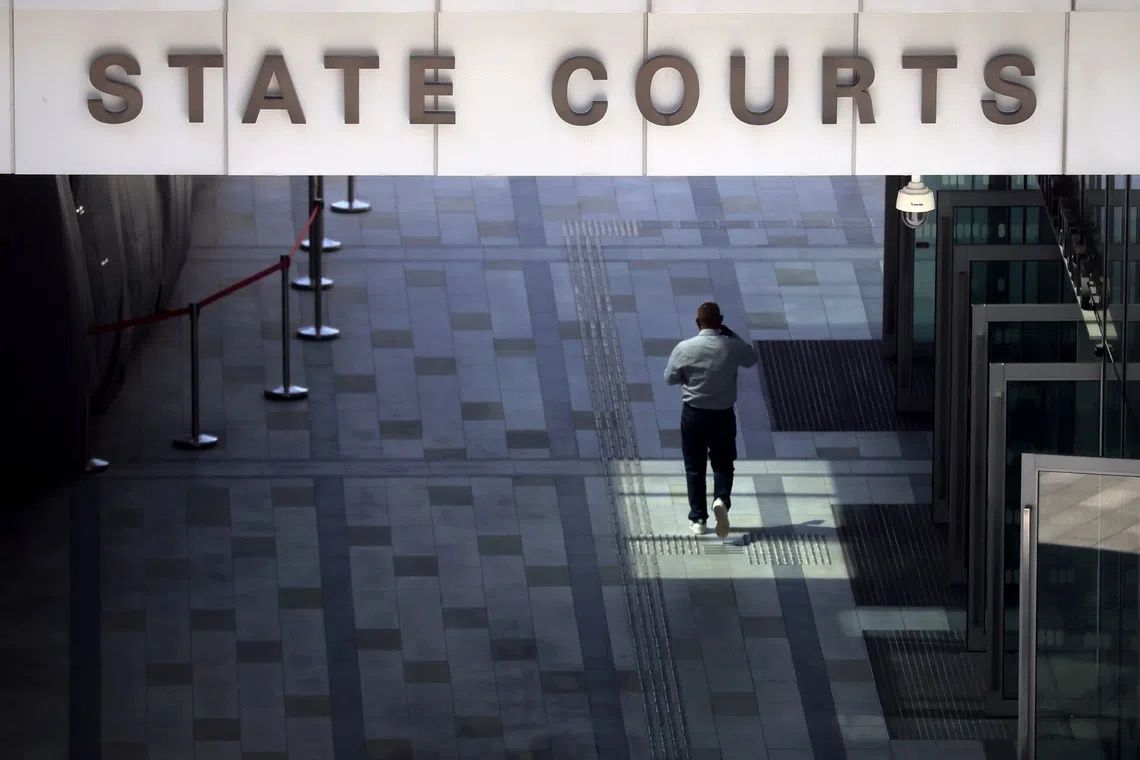
A Singapore father was brought before the courts on Thursday, August 6, following allegations of serious misconduct towards both his young children in separate incidents that have sparked concerns about child welfare in the city-state. The 40-year-old man faces two distinct charges of ill-treating children, though legal restrictions prevent his public identification to safeguard the privacy of the minors involved. The case underscores ongoing efforts by authorities to address domestic violence and child protection, issues that remain pertinent across Southeast Asia where family privacy considerations often complicate intervention efforts.
The first alleged incident occurred in the early morning of September 8, 2025, at a Housing and Development Board block where the family resided. According to court documents, the man allegedly instructed his 10-year-old son to remove his clothing and then proceed downstairs via the lift to the ground floor. The specific motivation behind this command has not been disclosed in available court materials, leaving observers to speculate about circumstances that prompted such an unusual directive. Whether the child ultimately complied with the instruction remains unclear from the legal filings, though the fact that charges were subsequently filed suggests the incident was deemed serious enough to warrant intervention.
The second allegation emerged from an entirely different setting, at one of Singapore's busiest transportation hubs. On October 3, 2025, just weeks after the first incident, the father was reportedly at Changi Airport Terminal 3 shortly before 6pm when he allegedly subjected his eight-year-old daughter to physical violence. Court documents specify that he slapped, punched, and pushed the girl, with visible injuries to her face and neck region resulting from the alleged assault. The public nature of the alleged abuse at the airport, one of Asia's most frequented aviation facilities, suggests that other witnesses may have been present during the incident.
These allegations paint a troubling picture of potential ongoing patterns of child maltreatment within the household. The incidents, occurring roughly a month apart and involving both children, raise questions about the environment in which they have been living. For Malaysian observers, the case carries particular resonance given similar documented cases of child abuse across the region, though Singapore's more robust enforcement mechanisms and child protection infrastructure have typically resulted in swifter legal responses than some neighbouring jurisdictions experience.
The legal framework governing such cases in Singapore operates under strict confidentiality provisions designed to protect vulnerable minors from further trauma or public exposure. The gag order in place reflects international best practices regarding child protection, prioritising the psychological wellbeing and dignity of affected children over public curiosity. This approach, while limiting media access to identifying details, still permits sufficient information to reach the public domain to demonstrate that authorities are actively investigating and prosecuting suspected abusers.
The two-count charge structure suggests prosecutors view each incident as a separate violation of child protection statutes rather than as connected components of a singular pattern. This legal approach allows courts to assess culpability across distinct circumstances while potentially yielding multiple accountability measures. The severity of such charges in Singapore typically results in custodial sentences, particularly where physical injuries are documented.
For child welfare professionals across Southeast Asia, cases like this illustrate the critical importance of maintaining vigilant reporting systems and inter-agency coordination. Schools, healthcare providers, and public-facing institutions like airports play essential roles in identifying and reporting suspected abuse. The fact that this case reached authorities suggests that someone—whether medical personnel, airport security, school staff, or family acquaintances—recognised concerning signs and took action through proper channels.
The next court mention scheduled for August 13 will provide opportunity for further legal proceedings, potentially including bail considerations, counselling assessments, and preliminary trial arrangements. During this interim period, the children's welfare will likely remain the primary concern of child protection authorities, who may have already implemented safeguarding measures including potential temporary care arrangements or supervised access protocols.
This case arrives amid broader regional discussions about balancing family privacy with child protection imperatives. In Malaysia and other Southeast Asian nations, similar tensions exist between respecting household autonomy and ensuring vulnerable children receive adequate protection. The Singapore case demonstrates that despite economic development and institutional sophistication, child abuse remains a challenge requiring constant vigilance and swift institutional response.
The psychological and physical impacts on child victims of such alleged abuse extend far beyond immediate injuries. Research consistently demonstrates that early childhood trauma can have profound, long-term consequences for emotional development, behaviour patterns, and future relationship formation. Intervention, whether through legal proceedings or rehabilitation services, aims to interrupt cycles of harm and provide pathways toward recovery and healing for affected children.

