A 40-year-old Singaporean has been arrested for orchestrating a coordinated campaign of false bomb threats against high-profile government locations, prompting a swift police response and intensive security sweeps. The man was charged on July 9 after authorities traced two separate incidents—one targeting the Home Team Science and Technology Agency (HTX) at One North on July 3, and another directed at Parliament House four days later—to the same individual.
The first threat materialized when HTX received an alarming online form submission asserting that an explosive device had been secreted within its premises. The agency's discovery of this claim triggered immediate protocols, with security personnel conducting comprehensive searches throughout the facility and its surrounding perimeter. Despite the gravity of the allegation, investigators found no credible evidence of any actual threat to the building or its occupants.
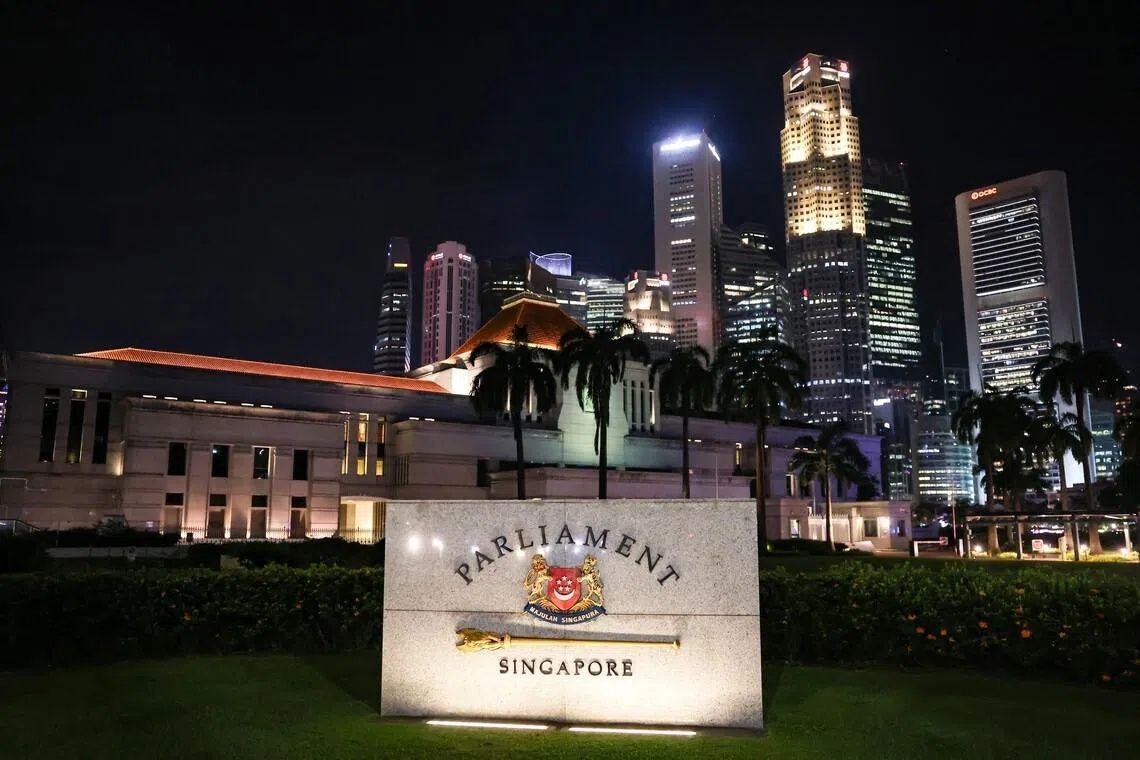
On July 7, authorities received a second report involving an anonymous email sent directly to the Prime Minister's Office claiming that Parliament House harboured a bomb. This escalation—targeting Singapore's legislative heart—prompted an even more stringent response. Police teams again executed thorough systematic sweeps of the Parliament House complex and adjacent areas, yet again discovered no items of legitimate security concern. The speed and coordination of these operations reflected the seriousness with which Singapore's security apparatus treats such communications, regardless of their veracity.
Detectives from the Criminal Investigation Department and Central Police Division undertook forensic analysis of both incidents and successfully established a crucial connection: the same perpetrator had engineered both false reports. This linkage prompted the man's arrest on July 7, the very day of the second hoax, suggesting law enforcement moved decisively once the pattern became apparent. Electronic devices suspected of facilitating the threats—likely computers or mobile phones—were confiscated from the suspect during his detention.
The case underscores a persistent challenge facing Southeast Asian democracies: the weaponization of communication technology to create public panic and administrative disruption. In Singapore's context, where Parliament House symbolizes the nation's democratic institutions, such threats carry particular potency. The targeting of both a security-focused agency and the legislative chamber suggests an intent to undermine confidence in government infrastructure during a critical time.
Under Singapore law, the suspect has been charged with communicating false information of a harmful thing—a provision that recognizes the distinction between genuine security threats and malicious hoaxes. Conviction carries potential penalties of imprisonment for up to seven years, fines reaching S$50,000, or both. This sentencing framework reflects the judiciary's acknowledgment that such acts, while sometimes dismissed as pranks, generate cascading consequences throughout government and security apparatus.
The police's public warning following the incident highlighted an often overlooked dimension of bomb hoaxes: their substantial drain on finite security resources. Emergency response teams, bomb disposal squads, and investigative personnel represent highly trained specialists whose redirection toward false alarms inevitably delays their availability for genuine threats. In a region where terrorism remains a real concern—Singapore has prosecuted numerous cases involving extremist networks—such diversions carry tangible operational cost.
Moreover, false threats generate psychological ripple effects across the broader population. Parliament House and government buildings occupy central positions in Singapore's political and civic geography. Bomb scares at such locations inevitably trigger anxiety among staff, visitors, and the public, potentially eroding the sense of security that democratic institutions require to function effectively. Citizens who witness emergency evacuations and security cordons may develop heightened threat perception regardless of official reassurance, subtly degrading public confidence in institutional safety.
The rapidity of Singapore's investigative response—apprehending the suspect on the same day as the second threat—reflects the sophistication of the city-state's cyber-forensics capabilities and inter-agency coordination. The Police Coast Guard, commercial service providers, and intelligence units routinely collaborate to trace digital communications. However, the case also suggests vulnerabilities: both HTX and the Prime Minister's Office received threats through relatively accessible channels (online forms and email), highlighting the tension between government transparency and security imperatives.
For regional observers, the incident carries implications extending beyond Singapore's borders. As Southeast Asian governments increasingly digitize public services and communication channels—a necessity driven by pandemic-era lockdowns and efficiency mandates—they simultaneously expand the surface area for hoax attacks and malicious actors. Malaysia, Indonesia, Thailand, and the Philippines have each experienced isolated incidents of bomb threats against government facilities, though enforcement responses vary significantly across jurisdictions.
The case also illustrates evolving law enforcement priorities across developed Asian city-states. Rather than treating such incidents as mere public nuisances, authorities pursue robust prosecution strategies that acknowledge the genuine harms posed by communication-based threats. This stance contrasts with some regional approaches where resource constraints necessitate more selective enforcement. Singapore's consistent, stringent response sends a deterrent signal that weaponizing government communication channels carries substantial personal legal risk.
As the suspect awaits adjudication, Singapore's security apparatus will undoubtedly conduct institutional reviews to assess whether additional screening mechanisms could prevent similar future incidents. The challenge lies in maintaining government accessibility while implementing proportionate security measures. Too restrictive an approach undermines democratic principles of citizen access to institutions; too permissive an approach creates exploitable vulnerabilities. This perpetual calculus, particularly acute in a densely populated city-state, will continue shaping Singapore's institutional security frameworks.

