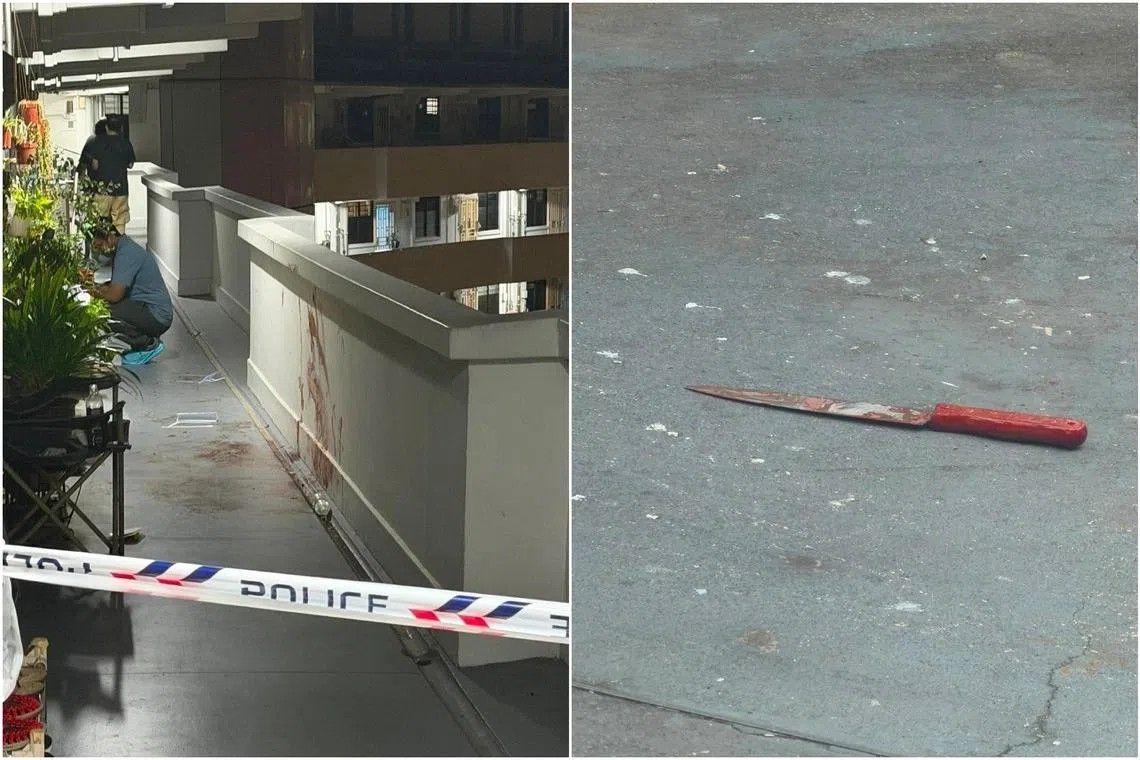
A man has been charged with murder following an alleged fatal altercation with his neighbour at a Housing Board block in Singapore's Lengkok Bahru area. The incident occurred on July 20 at Block 55, situated near Redhill Road, and resulted in the death of a 59-year-old resident. The accused, Ng Swee Seng, also 59, made his initial court appearance on July 22 through a video link at a district court, where he faced the serious charge of murdering Thiyagarajan Karunakaran.
Emergency services received multiple calls reporting the incident shortly before 5 in the afternoon on July 20. When police officers arrived at the scene, they discovered Thiyagarajan lying unresponsive in the lift lobby area on the 16th floor of the block. The victim was promptly transported to the National University Hospital, but he succumbed to his injuries later that day. The incident has sent shockwaves through the residential community and raised concerns about safety within the Housing Board estates.
Journalists from The Straits Times who visited the block the following day documented evidence of the violent nature of the confrontation. Bloodstains were visible along the 16th-floor corridor, and a bloodied footprint was observed at the scene, indicating a struggle had taken place before the victim came to rest at the lift lobby. These physical traces served as grim reminders of the sudden tragedy that had unfolded within what is typically a quiet residential setting.
According to residents' accounts, the two men were neighbours who lived several units apart from each other on the same floor of the block. This proximity likely meant they would have encountered each other regularly in the shared corridors and communal spaces of the housing estate. One resident who had been living in the same block for approximately four years provided this observation to reporters, suggesting that such close-quarters living situations can sometimes lead to tensions between residents.
The circumstances leading up to the fatal incident remain under investigation. Housing Board blocks in Singapore have long been the homes of millions of residents, and such violent incidents are rare within these communities. The vast majority of residents coexist peacefully despite the high-density living conditions. This case represents an exceptional and tragic breakdown in neighbour relations that has resulted in the loss of life.
For Malaysian readers and observers across Southeast Asia, this incident underscores broader questions about community safety and conflict resolution in densely populated urban housing environments. Many Southeast Asian cities are experiencing rapid urbanisation and increased reliance on public housing, making issues of neighbour relations and community harmony increasingly relevant to the region. The tragedy also highlights the importance of early intervention and mediation services in residential communities where disputes between neighbours might escalate into violence.
The case will likely proceed through Singapore's criminal justice system, with further court appearances expected. The charge of murder carries severe penalties under Singapore law, and the investigation will need to establish the exact circumstances of how the alleged crime occurred and what provoked the confrontation. These details may emerge as the case progresses through the courts.
The Lengkok Bahru incident serves as a sobering reminder that violent crime can emerge suddenly in ordinary residential neighbourhoods, often resulting from disputes that may have been brewing between residents for some time. While such occurrences remain statistically rare in Singapore's Housing Board estates, they demonstrate that community safety extends beyond security infrastructure to encompass the management of interpersonal relationships and the resolution of conflicts before they escalate to tragic proportions.
Residents of the block and the wider Redhill area are likely processing the shock of having a murder occur within their community. For many who have lived peacefully in such estates for years, the incident represents an unsettling disruption to the sense of security that residents typically feel. Housing board management and community leaders may need to address resident concerns and consider whether additional support services or mediation programmes could help prevent similar incidents in the future.

