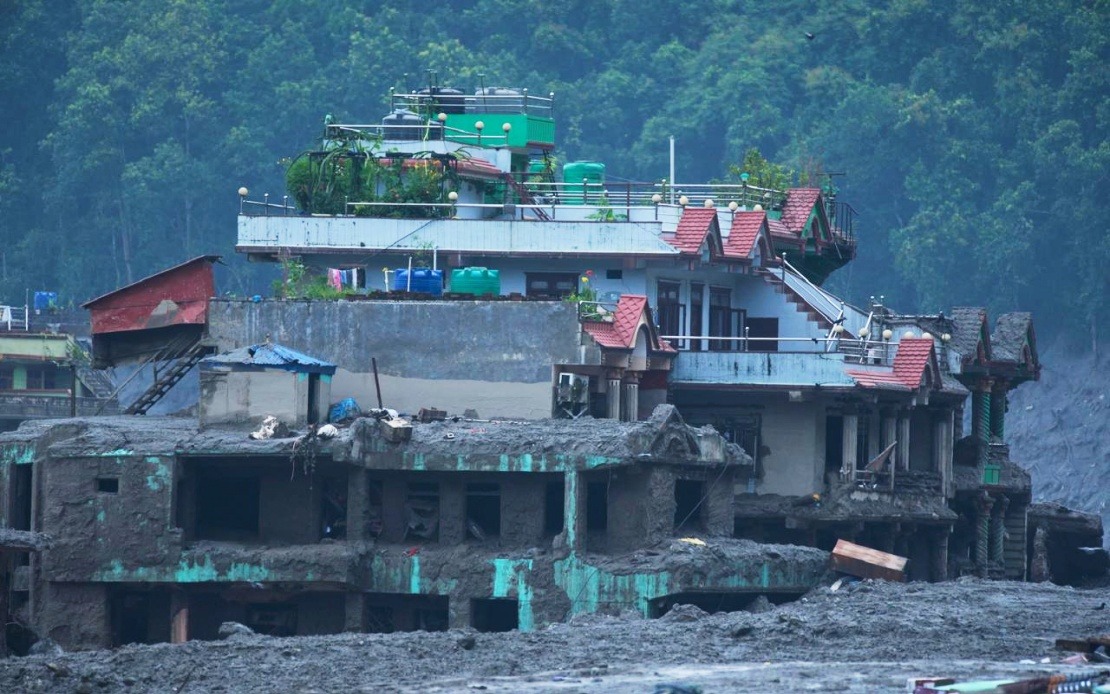
A humanitarian crisis unfolding along the Nepal-China border has prompted Singapore to engage in coordinated diplomatic efforts with regional partners following devastating flash floods that have claimed lives and displaced thousands. The island nation's government confirmed that two of its citizens are feared missing amongst a group of 47 hikers caught in the disaster, triggering immediate consular mobilisation and high-level political responses.
Prime Minister Lawrence Wong acknowledged the tragedy through a public statement on Thursday, signalling Singapore's commitment to supporting affected nationals and their families during an uncertain period. The Premier's intervention underscores the seriousness with which the city-state's leadership views the incident and the need for coordinated action across borders. Wong conveyed Singapore's solidarity with both Nepal and China, nations grappling with the immediate aftermath of the environmental catastrophe that swept through populated areas with little warning.
The Ministry of Foreign Affairs has established direct communication channels with counterpart authorities in Kathmandu and Beijing to facilitate rescue operations and gather information about missing Singaporeans. Beyond diplomatic coordination, the ministry is providing practical consular support to next of kin, many of whom face the anguish of uncertainty about their loved ones' fates. This multi-agency approach reflects established protocols for managing overseas emergencies affecting citizens, though the scale and nature of natural disasters present unpredictable variables that complicate response efforts.
Himalayan Glacier Adventures, the tour operator that organised the expedition, has provided details indicating the missing hikers represent a genuinely international cohort. In addition to the two Singaporeans, the group comprises nationals from Australia, Nepal, the United Kingdom, the United States, and Russia—a composition that underscores how the tourism sector in the Himalayas draws adventurers from across the globe. Such enterprises typically market high-altitude trekking experiences that, while offering spectacular natural rewards, inherently carry environmental risks exacerbated by climate variability and unpredictable weather patterns in mountainous regions.
The flash flooding that triggered this crisis occurred in one of South Asia's most geographically challenging regions, where the Himalayan range's steep slopes and narrow valleys create conditions where water accumulation can occur with terrifying speed. Climate scientists have increasingly documented how warming temperatures are altering precipitation patterns across the Himalayan system, potentially increasing the frequency and intensity of extreme weather events. Communities and visitors in these zones face growing hazards from sudden water surges that offer minimal warning and devastating consequences.
Facing immediate operational challenges, Singapore's Ministry of Foreign Affairs has issued comprehensive travel advisories instructing Singaporeans in Nepal to exercise heightened caution and remain informed through official channels. The advisory specifically identifies flood-affected districts including Rasuwa, Nuwakot, Dhading, Gorkha, and Chitwan as zones requiring avoidance. These areas, popular among trekkers and outdoor enthusiasts, are now experiencing significant infrastructure disruption that compounds rescue and recovery difficulties. The advisory warns of potential breakdowns in road networks, transport systems, and telecommunications that could isolate communities and hinder coordinated responses.
Beyond the missing hikers, the floods have created cascading effects throughout affected regions. Authorities expect ongoing problems with essential services, water supplies, and healthcare delivery in damaged areas. Rivers and waterways that normally enhance the natural appeal of trekking routes have transformed into hazardous conduits of destruction, making movement through previously accessible terrain dangerous. Low-lying communities and agricultural zones have borne the brunt of displacement and property damage, affecting vulnerable populations beyond the immediate scope of tourism-related incidents.
For Malaysia and other Southeast Asian nations, the Nepal crisis carries instructive implications. The region shares similar topographical features, monsoon-influenced weather systems, and expanding tourism sectors that expose increasing numbers of nationals and international visitors to environmental hazards. Malaysia's own experiences with flash floods in urban and rural areas, compounded by tropical rainfall intensity, have demonstrated how rapidly water-related disasters can overwhelm infrastructure and claim lives. The Nepal flooding serves as a sobering reminder of climate adaptation challenges confronting developing economies with limited resources for disaster preparedness.
The incident also highlights vulnerabilities within the regional tourism ecosystem. Operators organising high-altitude and remote-location expeditions must balance commercial imperatives against safety protocols, environmental monitoring, and contingency planning. Regulatory frameworks governing adventure tourism remain inconsistent across South Asia, raising questions about certification standards, insurance coverage, and liability frameworks when emergencies occur in cross-border mountain environments. Greater harmonisation of safety standards could enhance protection for international participants.
Diplomatic coordination between Singapore, Nepal, and China demonstrates how regional partnerships facilitate crisis response transcending national boundaries. Yet the tragedy underscores resource constraints faced by developing nations managing large-scale natural disasters. Nepal's emergency services, despite commendable efforts, operate within budgetary limitations that restrict helicopter rescue capacity, communication infrastructure, and medical facilities needed for comprehensive disaster response. International assistance mechanisms remain essential for countries vulnerable to environmental shocks affecting populations and visitors simultaneously.
The missing Singaporeans represent one human dimension of a broader humanitarian challenge affecting Nepal's citizens and communities most severely. As rescue efforts continue, questions will inevitably emerge regarding hazard warnings, evacuation protocols, and whether tour operators had adequate information to modify or cancel activities. Families awaiting news will scrutinise response adequacy and safety decision-making that occurred before catastrophe struck. These institutional assessments will shape future tourism practices and regulatory approaches across the Himalayan region.

