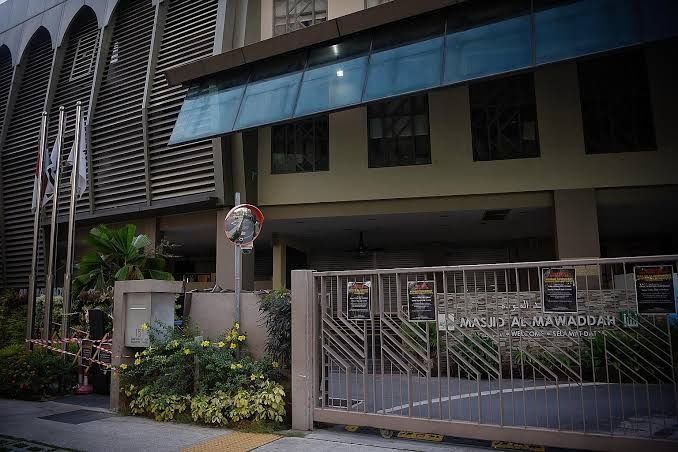
A senior finance official at Al-Mawaddah Mosque in Compassvale Bow, Sengkang, has been charged with criminal breach of trust for allegedly embezzling more than S$14,000 from the mosque's donation boxes. Mohamed Muhaimin Mohamed Sulaiman, 42, appeared in court on August 12 facing one count of the charge, which carries severe penalties under Singapore law. The alleged offences occurred on at least 15 separate occasions spanning from February 6 to May 15, suggesting a pattern of systematic misappropriation rather than an isolated incident.
Police received a formal report regarding the case on May 16, triggering an investigation that led to the charges against Muhaimin. The timing of the report, nearly three months after the alleged offences began, raises questions about the detection mechanisms in place at religious institutions for monitoring financial irregularities. In Singapore's tightly regulated financial environment, even houses of worship are subject to stringent accountability requirements, yet gaps can still emerge, particularly when trusted employees handle cash collections.
The specific role of Muhaimin as a senior finance executive placed him in a position of considerable trust within the mosque's operations. Finance personnel at religious institutions typically have broad access to donation systems, cash handling procedures, and record-keeping mechanisms. This structural access, combined with the repetitive nature of the alleged thefts, underscores how individuals in such positions can exploit their authority to circumvent normal oversight protocols. The 15 documented occasions suggest the accused may have developed a pattern of behaviour that eventually triggered suspicion among mosque administrators or staff members.
Bail has been set at S$10,000, allowing Muhaimin temporary release pending further court proceedings. The case will be mentioned again before the courts on September 16, a standard procedural step in Singapore's criminal justice system that allows for case management, plea negotiations, or additional investigations. The interim period provides both the prosecution and defence time to prepare their respective cases, though it also extends uncertainty for the mosque community regarding the outcome.
The potential penalties for criminal breach of trust in Singapore are substantial, with convictions carrying imprisonment of up to 15 years and fines at the court's discretion. These severe consequences reflect the legal system's approach to breaches of fiduciary duty, particularly when they involve misuse of donated funds intended for religious and community purposes. The strength of such penalties demonstrates state recognition that theft from charitable institutions undermines public trust in the institutions themselves and erodes community confidence in donation systems.
The case carries implications for how mosques and other religious organisations across Singapore structure their financial governance. Regular audits, multiple-person approval systems for cash handling, and transparent reporting mechanisms are increasingly important safeguards, particularly as religious institutions manage substantial funds collected from community members who expect their contributions to support charitable and religious activities. The Al-Mawaddah Mosque incident may prompt other institutions to review their internal controls and accountability measures.
The Islamic Religious Council of Singapore, Singapore's statutory body overseeing Islamic religious affairs and institutions, has been contacted regarding Muhaimin's employment status. Whether he remains on the mosque's payroll during the legal process remains unclear, though most organisations suspend employees facing serious criminal charges pending trial outcomes. The council's response and any guidance issued to member mosques could establish broader standards for handling similar situations across the community.
For Malaysian observers, this case reflects broader challenges facing religious institutions across the region in maintaining financial integrity while preserving the trust-based relationships essential to congregational life. Malaysia's own mosque networks and zakat distribution systems handle significantly larger volumes of charitable contributions, making robust financial controls and oversight mechanisms essential. The Singapore case provides a cautionary example of how insufficient monitoring can result in substantial losses and reputational damage to institutions.
The alleged misappropriation from donation boxes strikes at a particularly sensitive element of religious practice. Donations to mosques represent acts of faith and charity by congregation members, with funds typically allocated to mosque maintenance, religious education programmes, welfare assistance, and community services. When such funds are diverted through employee misconduct, the betrayal extends beyond simple theft to encompass violation of the spiritual trust placed in the institution by donors.
The investigation and prosecution of this case also highlights Singapore's commitment to applying consistent legal standards regardless of an institution's religious or charitable status. While religious institutions often receive beneficial regulatory treatment in various jurisdictions, Singapore's approach demonstrates that this does not extend to exemption from criminal law when institutional resources are misappropriated. This principle maintains public confidence in Singapore's legal system and ensures equal accountability across all sectors of society.

