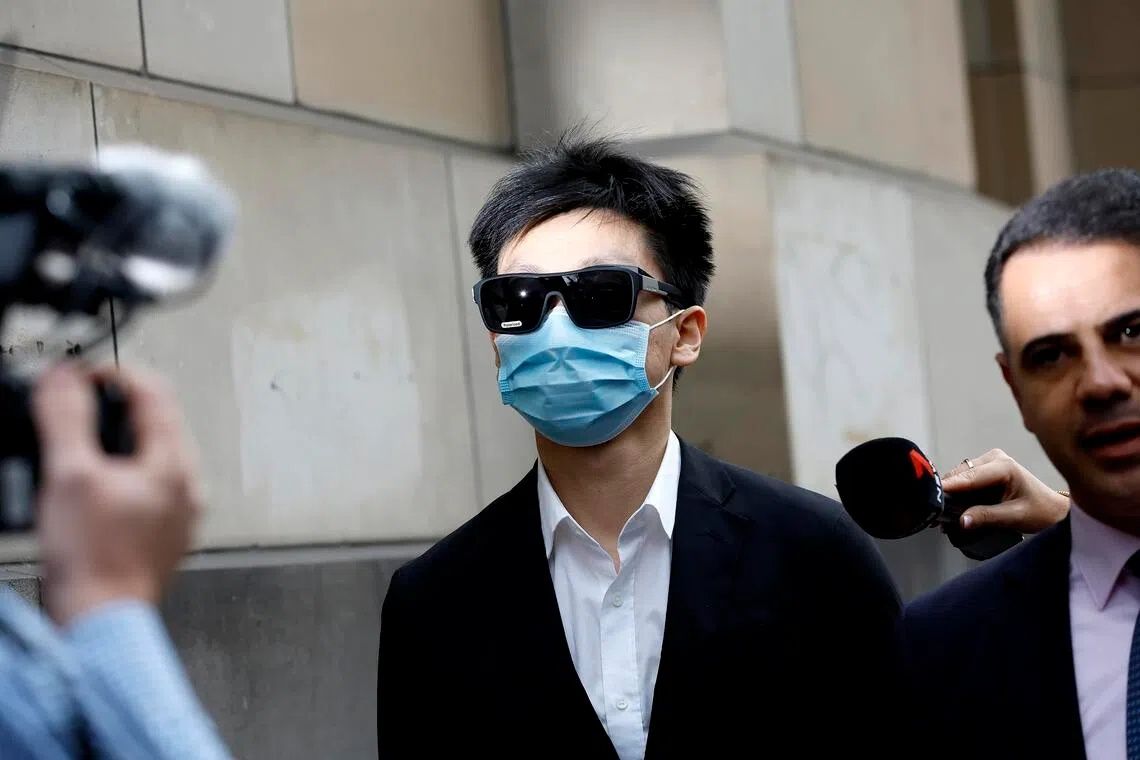
A 28-year-old trainee doctor from Singapore pleaded guilty in Melbourne Magistrates Court on Thursday to 13 serious charges stemming from an investigation into the secret filming of hundreds of hospital colleagues in intimate settings. Ryan Cho, who worked across three major Melbourne hospitals between 2021 and 2025, admitted to installing covert recording devices in staff toilets and shower facilities, accumulating thousands of incriminating files that documented the violation of more than 500 victims. The case has drawn significant attention in Australia and raises serious questions about workplace safety protocols and institutional accountability within the healthcare sector.
The scale of Cho's offences became apparent only after his arrest in July 2025, when staff at Austin Hospital discovered a mobile phone concealed in a mesh bag inside a staff toilet that had been actively recording. This discovery triggered a comprehensive police investigation that would ultimately uncover the full extent of his criminal behaviour. Forensic examination of electronic devices seized from his Melbourne home revealed over 10,000 video and image files, including 4,500 separate videos, documenting his systematic and deliberate targeting of staff members across the Austin Hospital, Royal Melbourne Hospital, and the Peter MacCallum Cancer Centre. The sheer volume of material suggests a prolonged pattern of calculated predatory behaviour rather than isolated incidents.
Victorian police initially laid 910 charges against Cho following the discovery of the intimate files on his devices. However, the court process has since consolidated these charges into 13 counts covering stalking, installing optical recording devices to obtain private images, and producing intimate images. Magistrate Michelle Mykytowycz approved this consolidation after both prosecution and defence teams agreed to combine the charges, a procedural move that allows the court to address the systematic nature of the offences while maintaining legal clarity. During the brief 30-minute hearing, Cho stood and entered guilty pleas to all 13 charges, a straightforward admission that provides some measure of certainty for the victims involved.
Cho's professional standing has already suffered severe consequences. Australian health regulators suspended his medical registration in 2025, effectively ending his career in the country's healthcare system. The suspension reflects the seriousness with which the medical profession views such conduct and the breach of trust fundamental to the doctor-patient and colleague relationship. Despite holding permanent residency, granted just months before his arrest in April 2025, Cho now faces an uncertain legal future as he awaits sentencing proceedings scheduled to begin on November 23 at Melbourne's County Court. The three-day hearing is expected to hear detailed impact statements from his victims, allowing the court to understand the psychological and professional harm caused by his actions.
Cho has been released on strict bail conditions guaranteed by a A$50,000 surety lodged by his parents, who remain based in Singapore. His father, Wilson Cho, a logistics manager, has stated he had no prior knowledge of his son's behaviour. Both parents have committed to residing in Melbourne for the duration of the court proceedings to monitor their son's compliance with bail restrictions. These conditions are comprehensive and deliberately limiting: Cho must report to police three times weekly, maintain no contact with any witnesses or potential witnesses, avoid all hospitals except in genuine emergencies with prior police approval, and surrender access to photographic or video recording devices except within his home. Additionally, he has surrendered his passport, restricting his movement internationally.
The case has also raised broader institutional concerns about workplace safety in Australian hospitals. Approximately 100 victims, predominantly women, have filed human rights complaints with the Australian Human Rights Commission against the three affected hospitals, alleging institutional failures regarding sexual harassment and workplace discrimination. Tony Carbone, a managing partner at Carbone Lawyers, has indicated that his firm expects additional hospital employees to join the human rights action as more victims come forward. These parallel legal proceedings suggest that focus will extend beyond individual criminal accountability to examine systemic failures in workplace protections and institutional oversight that allowed Cho's conduct to continue undetected for years.
Cho's professional and educational trajectory prior to his arrest appeared unremarkable. He studied medicine at Monash University and had been working across Melbourne's premier healthcare institutions since 2021. He had been resident in Australia since 2017, establishing himself as a professional in the medical field. His barrister, Julian McMahon, has characterised him as a "complicated young professional man" likely suffering from "complex psychological issues," suggesting that any sentencing considerations may incorporate mental health evaluations and assessments. However, this characterisation does not diminish the deliberate, calculated nature of his offences or their profound impact on his victims.
The Malaysian and broader Southeast Asian medical community may view this case with concern, particularly given Cho's status as a foreign-trained professional working in an Anglo-Commonwealth healthcare system. It underscores the importance of rigorous background screening, workplace culture monitoring, and institutional safeguarding procedures in healthcare settings. The case also highlights vulnerabilities that may exist in training programmes for international medical graduates and the necessity for cultural integration and ethical orientation programmes. For Malaysian doctors working abroad, particularly in Australia, the case serves as a stark reminder of the severe professional and legal consequences of breaching workplace ethics and colleague trust.
The victims' experience extends beyond the immediate violation of their privacy. Many worked alongside Cho in professional capacities, creating additional layers of trauma associated with having been unknowingly targeted by a colleague they may have collaborated with daily. The impact statements expected at the sentencing hearing will document this violation of professional trust and the psychological distress caused. The availability of such extensive victim testimony ensures that the sentencing court fully understands the harm caused and can calibrate an appropriate penalty that reflects both the severity of the offences and their cumulative impact.
Sentencing for such crimes in Australia typically results in substantial custodial sentences, though Cho's lack of prior criminal record and psychological assessment may be considered mitigating factors. The November hearing will determine whether he faces imprisonment, and if so, for what duration. The case also raises questions about post-sentence management: how he will be monitored upon release, whether he will be deported to Singapore, and whether international cooperation mechanisms will prevent similar conduct elsewhere. For Southeast Asian nations, particularly Singapore, the case demonstrates the importance of maintaining regulatory oversight of citizens working abroad and establishing frameworks for managing serious criminal conduct involving nationals in foreign jurisdictions.

